



















Drieň veľkoplodý a jeho chutné ovocie: nenáročný strom s vysokou úrodou
Drieň: Zabudnutý poklad, ktorý prežije celé generácie
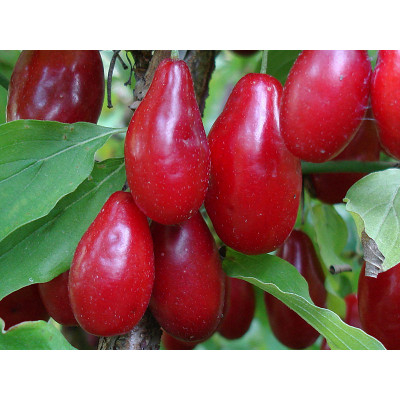
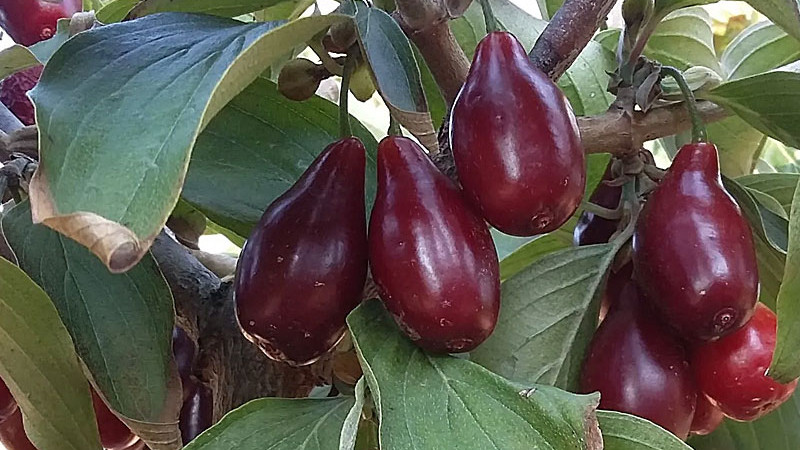
V tieni populárnejších ovocných stromov stojí tichý, no o to cennejší hrdina – drieň veľkoplodý (Cornus mas). Mnohí ho poznajú len z voľnej prírody, no jeho šľachtené odrody sú skutočným pokladom. Je to nedocenený strom, ktorý dokáže prekvapiť obrovskou úrodou napriek svojej neuveriteľnej nenáročnosti.
Je to investícia nielen pre vás, ale aj pre vaše deti a vnúčatá. Drieň je totiž dlhoveký strom, ktorý bude prinášať úrodu vo vašej záhrade aj niekoľkým generáciám po vás. Poďme sa pozrieť, prečo by tento zabudnutý klenot nemal chýbať ani u vás.
Prečo si zaslúži miesto vo vašej záhrade?
Drieň veľkoplodý je viac než len ovocný strom. Je to symbol odolnosti a štedrosti.
- Absolútna nenáročnosť a odolnosť: Netrpí takmer žiadnymi chorobami a škodcami. Je extrémne mrazuvzdorný a mnohé odrody dokážu rásť aj v podhorských oblastiach nad 1000 m n. m.
- Dlhoročná investícia s rastúcim výnosom: Je to dlhoveká rastlina. Kým 10-ročná vám dá 20 kg plodov, 15-ročná vás odmení aj viac ako 40 kilogramami.
- Všestranné a zdravé ovocie: Plody dozrievajú koncom augusta a v septembri. Sú bohaté na vitamín C a pektíny, čo ich predurčuje na výrobu prvotriednych džemov, lekvárov, kompótov, štiav, ale aj slávnej drienkovice.
- Prvý posol jari: Kvitne nádhernými žltými kvetmi na holom dreve ešte pred olistením, čím sa stáva jednou z prvých okrás jarnej záhrady.
Manuál pre úspešné pestovanie
Starostlivosť o drieň je jednoduchá, no pár pravidiel sa oplatí dodržať.
Pôda a výsadba
- Ideálna pôda: Drieň ocení predovšetkým zásadité a priepustné pôdy. Menej mu vyhovujú pôdy kyslé. Ak máte kyslú pôdu, jednoducho ju upravte pridaním dolomitického vápenca.
- Termín výsadby: Ideálny čas je jeseň, no kontajnerové rastliny môžete bez problémov vysádzať počas celej sezóny, okrem mrazov.
- Zlaté pravidlo štepenia: Ak má vaša rastlina viditeľný štep, musí zostať nad úrovňou zeme. Všetky výhonky rastúce pod ním (z podpníka) pravidelne odstraňujte.
- Spon výsadby: Pre maximálnu úrodu sadíme stromy 4 metre od seba. V menších záhradách postačí aj vzdialenosť 2 metre.
Rez a hnojenie
- Strihanie: Rez sa vykonáva koncom augusta alebo vo februári. V prvých rokoch ním tvarujeme korunu, neskôr slúži na presvetlenie.
- Hnojenie: Pred výsadbou je ideálny odležaný maštaľný hnoj. Počas ďalších rokov sa odvďačí za jarné hnojenie kompostom alebo prírodnými hnojivami.
- Pozor na draslík: Vysychanie okrajov listov môže signalizovať nedostatok draslíka. Pomôže vhodné hnojivo.
Prehliadka šampiónov z Východu: Poľské a ukrajinské odrody
Priekopníkmi v šľachtení veľkoplodých drieňov sú najmä Poliaci a Ukrajinci. Práve z ich dielní pochádzajú odrody s veľkými, chutnými a aromatickými plodmi.
Ukrajinské majstrovské diela
- Svetljačok: Chutná odroda s malou kôstkou.
- Elegannytj: Plody až 9 gramov, s výraznou chuťou a skladovateľnosťou zhruba mesiac.
- Radosť: Plody majú oválny tvar a po dozretí zostávajú na kríku.
- Ekzotyčnyj: Pýši sa sladkou chuťou tmavočervených, aromatických plodov.
- Ďalšie známe odrody: Starokijewská, Julius, Olena.
Poľské klenoty
- Raciborski & Paczoski: Tmavé a jasnočervené plody, cenené pre vysoký obsah zdraviu prospešných iridoidov.
- Podolski: Dozrieva neskôr, až v polovici septembra, no prináša bohatú úrodu plnú vitamínu C.
- Bolestrazycki: Odroda so zaujímavým pôvodom a všestranným využitím.
- Marceli: Najnovšia poľská odroda s tmavými listami a vysokou úrodou.
Objavte znovu silu a chuť drieňa
Drieň je dôkazom, že tie najväčšie poklady sú často nenápadné. Je to strom, ktorý si nevyžaduje takmer nič, no dáva všetko – krásu, zdravie a bohatú úrodu na celý život. Preskúmajte našu ponuku veľkoplodých odrôd drieňa a zasaďte si do záhrady strom s príbehom.
Kľúčový tip od experta: Pozor na plytké korene
Hoci je drieň nenáročný, má jednu slabinu – plytký koreňový systém. To znamená, že je citlivejší na presychanie pôdy a prehrievanie koreňov počas letných horúčav.
- Zálievka: Najmä počas dozrievania plodov (od konca júla) dbajte na to, aby pôda pod stromom úplne nevyschla.
- Mulčovanie je kľúčové: Ideálnym riešením je používanie mulču (kôra, pokosená tráva, slama). Mulč udrží v pôde vlhkosť, ochráni korene pred prehrievaním a zabráni rastu buriny. Drieň ocení, ak je koruna na slnku, kým kmeň a korene sú v tieni.
Týmto jednoduchým opatrením vyriešite hneď tri možné problémy a premeníte váš drieň na spoľahlivý zdroj bohatej úrody.
Máte už skúsenosti s pestovaním drieňa? Podeľte sa o ne v komentároch!
Súvisiace produkty

