
































Sharka-Resistant Romanian Plums | Organic Plum Growing
No More Fear of Sharka, Frost and Chemicals
Romanian plum varieties that rewrite the rules of organic growing
Do you know this frustrating scenario? All spring you enjoy a tree in full, beautiful bloom. Then a single late April frost arrives and the crop is gone. Or worse still – in summer you notice pale rings on the leaves, the fruit starts dropping early, misshapen and tasteless. The dreaded plum pox virus has just wiped out years of your work. Many growers reach for the sprayer and strong chemicals in desperation, but the modern gardener knows that this is not the way forward.
Today, more than ever, we face extreme weather and aggressive diseases. If you want to grow plums organically without walking through your orchard in a protective suit, the secret does not lie in expensive sprays. It lies in genetics.
Romania, a historic fruit-growing powerhouse, has invested decades in breeding programmes at institutes such as Pitești – Mărăcineni and Voinești. Their aim was not only to create large, tasty plums, but above all trees that survive. The result is a group of varieties that are practically made for modern, low-input and organic orchards.
Let us see how these Balkan gems can help you win the fight against nature with its own weapons.
|
up to 30 t/ha
yield of 'Centenar'
|
75–100 g
fruit weight of 'Record'
|
early July
ripening of 'Diana'
|
1–2
brown rot sprays saved
|
← Swipe the table sideways →
1. Plum pox virus: the nightmare finally has a solution
Sharka, or plum pox (Plum pox virus), is the most destructive disease of stone fruit. No spray can cure it. Once a tree is infected, the virus stays in it for good, and often the only option left is to dig the tree up and burn it. The only organic and lasting protection is to plant resistant varieties.
⚠ Note: tolerance does not mean immunity
A tolerant tree can carry plum pox virus without visible symptoms. Sharka is spread by aphids and by infected planting material, so buy only certified trees from a reliable nursery and remove old, clearly infected trees near your orchard.
2. Fungal diseases: beating brown rot and leaf spots without fungicides
Warm, humid summers are paradise for fungal diseases. Brown rot (Monilinia) can destroy fruit right on the tree, turning it into shrivelled "mummies", while other fungi attack the leaves and weaken the tree.
✓ Good to know
Even a resistant variety benefits from basic orchard hygiene: collect and remove mummified fruit from the tree and the ground beneath it, and prune to keep the canopy open so it dries quickly after rain. This greatly reduces the source of infection for the following year.
3. Climate change: fighting drought and spring frosts
Winters are getting warmer, trees wake up too early and are then scorched by April frost. Summers, on the other hand, are extremely hot and dry. A modern orchard has to be ready for these shocks.
Which variety for which problem
Plum pox (sharka): 'Centenar', 'Record'
Fungal diseases of leaves and fruit: 'Roman', 'Diana', 'Pescăruș'
Spring frosts and drought: 'Pescăruș', 'Diana'
Fruit size compared
| 'Record' | 75–100 g |
| 'Diana' | 60–65 g |
| 'Centenar' | approx. 50 g |
Bar length shows the midpoint of the stated range on a 0–100 g scale. No fruit weight is given for 'Roman' and 'Pescăruș'.
← Swipe sideways →
All varieties at a glance
| Variety | Main strength | Fruit weight | Note |
|---|---|---|---|
| 'Centenar' | plum pox, pest resistance | approx. 50 g | yield up to 30 t/ha |
| 'Record' | viral and common diseases | 75–100 g | exceptionally large fruit |
| 'Roman' | red leaf spot, pocket plum | not stated | moderate brown rot resistance |
| 'Diana' | brown rot, spring frost | 60–65 g | ripens in early July |
| 'Pescăruș' | brown rot, frost, drought | not stated | mid-late flowering |
← Swipe the table sideways →
A practical tip for the perfect organic orchard: don't forget the roots
The genetics of the variety itself are only half the story. If you want to grow plums in a truly organic and sustainable way, you need to choose the right rootstock – the root system onto which the variety is grafted.
Conclusion
The era when fruit growing relied solely on a calendar of chemical or organic sprays is slowly coming to an end. The future belongs to growers who think one step ahead.
By choosing Romanian varieties such as 'Centenar' (against plum pox), 'Roman' (against fungi) or 'Pescăruș' (against frost and drought), you are not just planting fruit trees. You are planting peace of mind. You are creating an ecosystem that is naturally strong, resilient and able to deliver a generous harvest even in difficult conditions.
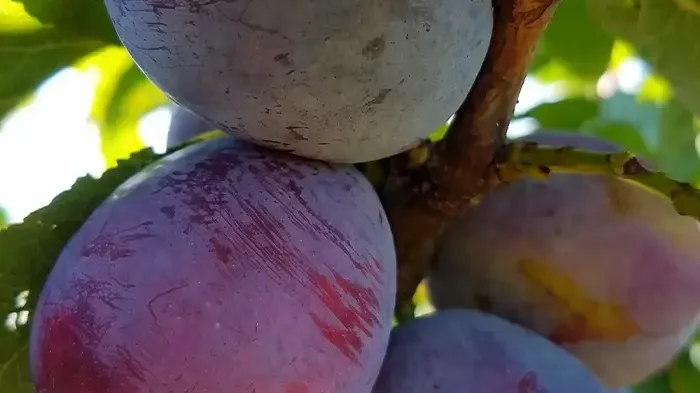
And the best feeling of all? Picking a huge, juicy plum in summer, wiping it on your sleeve and biting into it without any worry about pesticide residues. That is the true taste of modern organic growing.
|
Plums that look after themselves Browse our plum range and choose varieties that stand up to plum pox, fungal diseases and unpredictable weather. Fewer sprays, more peace of mind and sweet fruit straight from the tree. Browse varieties → |
Join us on Facebook Share your growing experience, ask about varieties and show off your harvest in our community of passionate fruit growers. Talk to experts and be the first to read our new articles. Follow our page → |
Related Products


