


























Minikiwi do vašej záhrady: Úvod do pestovania a top odrody
Exotika, ktorá nezamrzne: Sprievodca pestovaním minikiwi
Hladké plody, ktoré zjete rovno so šupkou, a liany odolné voči krutým mrazom. Objavte fascinujúci svet Actinidia arguta.
Keď sa povie kiwi, väčšina z nás si predstaví hnedé, chlpaté ovocie zo supermarketu, ktoré si vyžaduje šúpanie alebo vyjedanie lyžičkou. Toto klasické kiwi (Actinidia deliciosa) je však veľmi citlivé na mráz a v našich podmienkach sa pestuje ťažko. Príroda nám však ponúka oveľa lepšiu, záhradkársky prívetivejšiu alternatívu – minikiwi, botanicky známe ako Actinidia arguta (Aktinídia význačná).
Čo robí minikiwi takým výnimočným?
Minikiwi je bujne rastúca, drevnatá popínavá liana (dĺžka prírastkov môže byť aj 2 metre za rok), ktorá má pôvod v chladných oblastiach Ázie, Sibíri a Ďalekého východu. Vďaka tomuto pôvodu si vyvinula extrémnu mrazuvzdornosť – dospelé rastliny dokážu bez problémov prežiť teploty klesajúce až k -28 °C.
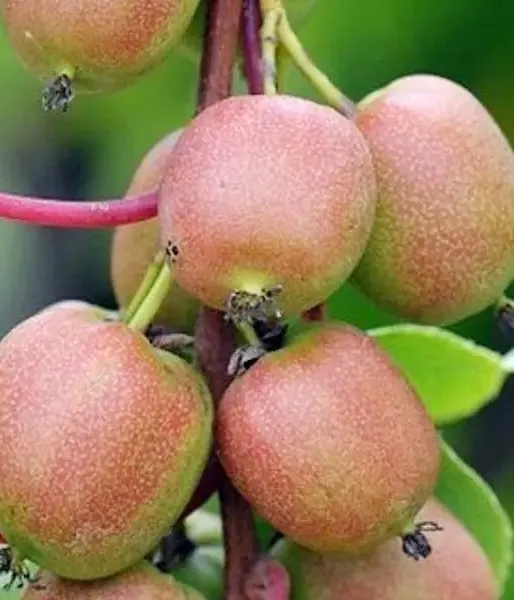
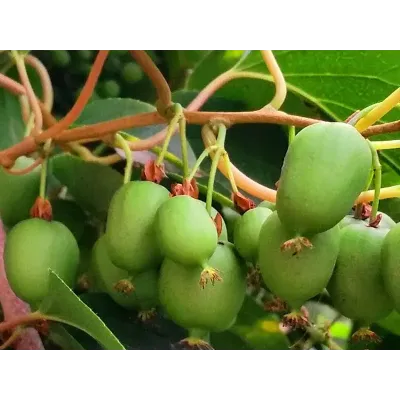
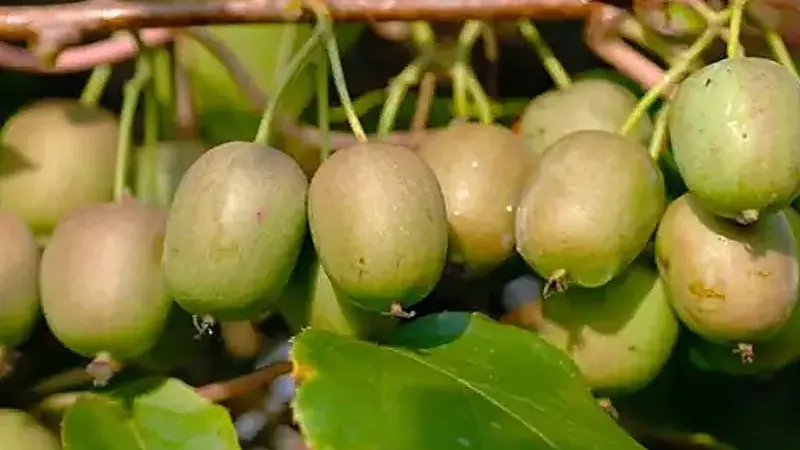
Plody minikiwi sú výrazne odlišné od tých, ktoré bežne poznáme. Sú veľké zhruba ako väčší egreš alebo hrozno. Ich povrch je dokonale hladký a bez chĺpkov. Vďaka tenkej šupke sa nešúpu a konzumujú sa vcelku, priamo po odtrhnutí z kríka. Sú to skutočné vitamínové bomby s obrovským obsahom vitamínu C, antioxidantov a minerálov.
Pozor na zákonitosti opelenia!
Základným pravidlom úspešného pestovania minikiwi je fakt, že ide o dvojdomú rastlinu. To znamená, že pre vytvorenie plodov musíte mať vysadenú samičiu (rodiacu) odrodu a v jej tesnej blízkosti aj samčiu rastlinu (opeľovača), ktorá plody netvorí, ale poskytuje peľ.
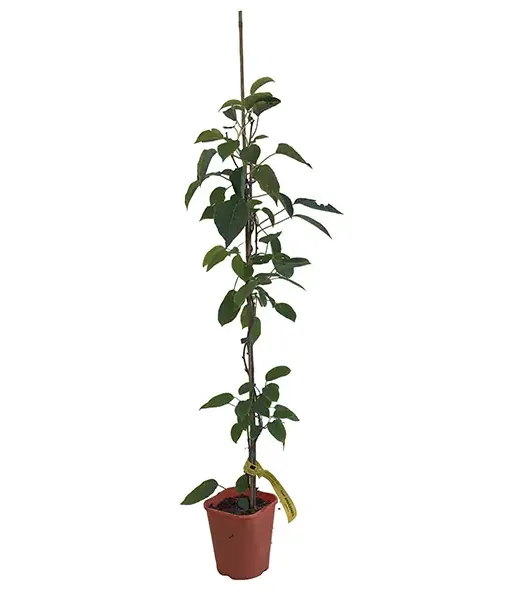
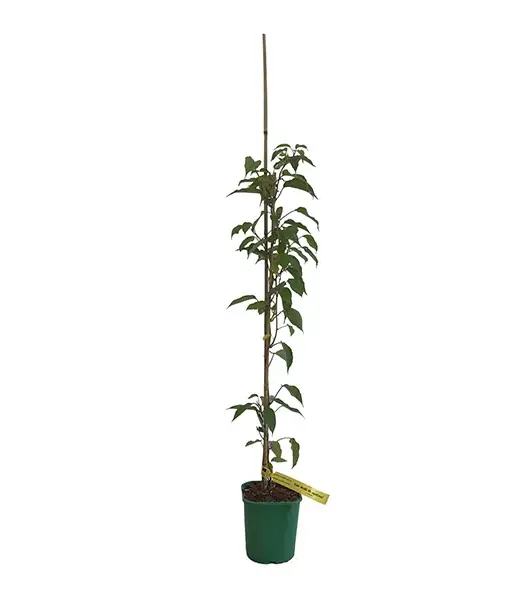
Minikiwi vyžaduje pevnú oporu (pergolu, plot alebo drôtenku). Miluje úrodnú, mierne kyslú a dobre priepustnú pôdu. Vyhovujú mu slnečné až mierne pritienené miesta chránené pred silným vetrom. Neznáša preschnutie, preto je pravidelná závlaha nevyhnutná. Strihá sa podobne ako vinič, pričom treba pamätať na to, že výhony kvitnú a plodia na dvojročnom dreve.
Predstavujeme vám 5 špičkových samičích odrôd, ktoré vašu záhradu premenia na exotický raj.
1. Ananasnaya: Severoamerický hit s ruskými koreňmi
Hoci patrí medzi najobľúbenejšie odrody v Severnej Amerike, jej skutočný pôvod by sme našli v Rusku. Plody odrody 'Ananasnaya' sú valcovité, po stranách sploštené, svetlozelené s jemným červeným líčkom. Dosahujú hmotnosť 7 až 12 g. Vynikajú fantastickou aromatickou chuťou, ktorá, ako už názov napovedá, výrazne pripomína ananás. Kvitne v júni a plody dozrievajú na konci leta. Je to mimoriadne mrazuvzdorná a plodná liana.
2. Bingo: Poľská ružovo-červená perla
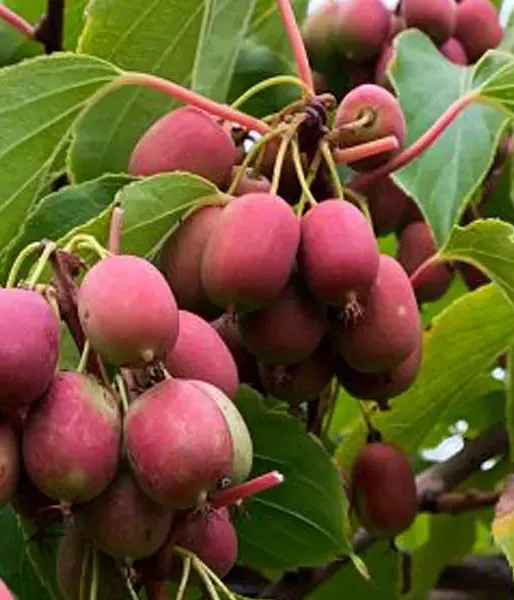
Výnimočná poľská odroda, ktorá vznikla krížením Actinidia purpurea a Actinidia arguta. 'Bingo' vás očarí nielen úrodnosťou, ale najmä nádherným vzhľadom plodov. Zaujmú jedinečnou farbou prechádzajúcou od svetloružovej po sýtočervenú. Pod šupkou sa skrýva excelentná sladká dužina s hmotnosťou plodov 8 - 14 g. Z jedného dospelého kríka môžete pozbierať desiatky kilogramov tejto lahôdky. Dozrieva od polovice septembra do októbra.
3. Chang Bai Giant: Obor z Číny
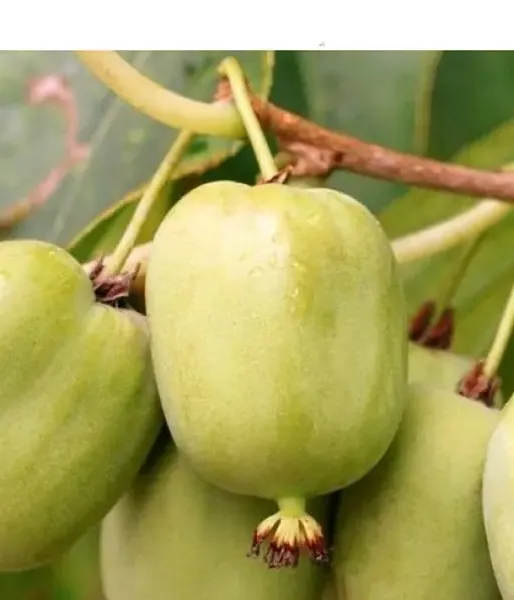
Ako už anglický názov napovedá, ide o odrodu pochádzajúcu z Číny, známu svojimi mimoriadne veľkými plodmi. Tvar plodu je sploštený a farba šupky zostáva sýtozelená. Plody sú väčšie než u iných bežných odrôd minikiwi. Chuť odrody 'Chang Bai Giant' je veľmi sladká a vysoko aromatická. Kvitne v máji až júni a veľkú úrodu prináša na prelome septembra a októbra.
4. Domino: Ázijská guľato-oválna kvalita
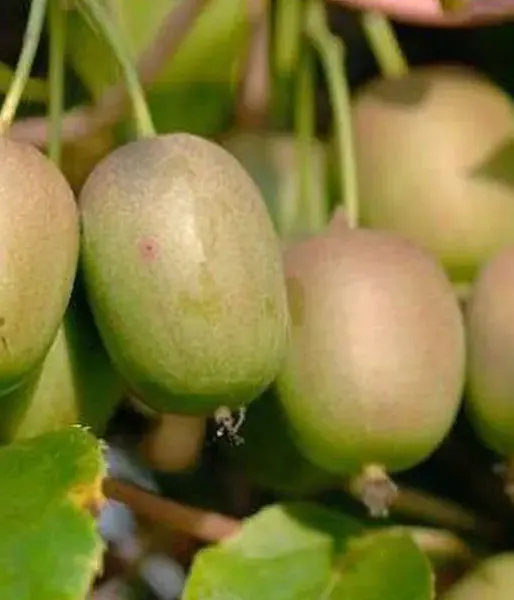
Spoľahlivá ázijská odroda, ktorá je pre svoju bohatú rodivosť a veľkosť plodov vhodná na domáce, ale aj na komerčné pestovanie. Plody 'Domino' sú guľato-oválne, dosahujú hmotnosť 12 až 16 g a majú hladkú zelenohnedú šupku. Ich chuť je vynikajúca, plná a veľmi sladká. Odroda rastie veľmi silno, vyžaduje pevnú oporu a dozrieva v septembri až októbri.
5. Geneva: Sladká s medovou príchuťou
Odroda 'Geneva' patrí medzi skoré a veľmi obľúbené kultivary. Tvorí valcovité, po stranách sploštené plody dlhé cca 3,5 až 4 cm so svetlozelenou šupkou a atraktívnym červeným rumencom. Plody môžu dosahovať hmotnosť až 20 g. Jej absolútnou prednosťou je výnimočná chuť – je veľmi aromatická a zanecháva na jazyku jemnú medovú príchuť. Je odolná nielen voči chladu, ale dobre znáša aj suchšie obdobia.
Porovnanie maximálnej hmotnosti plodov
| Geneva | do 20 g |
| Domino | do 16 g |
| Bingo | do 14 g |
| Ananasnaya | do 12 g |
← Posuňte prstom do strán →
Súhrnný prehľad odrôd
| Odroda | Farba a tvar plodu | Doba zberu | Špecifická chuť |
|---|---|---|---|
| Ananasnaya | Zelená s červeným líčkom | Koniec leta | Tóny ananásu |
| Bingo | Ružová až sýtočervená | Sept / Okt | Veľmi sladká a atraktívna |
| Chang Bai Giant | Sploštená, zelená | Sept / Okt | Vysoko aromatická |
| Domino | Guľato-oválna, zelenohnedá | Sept / Okt | Veľmi sladká, plná chuť |
| Geneva | Zelená s rumencom | Koniec leta | Výrazná medová príchuť |
← Tabuľku posuňte prstom do strán →
Minikiwi je perfektnou rastlinou na zatienenie pergoly. Rýchlo rastúca liana s nádhernými listami vám na jeseň poskytne desiatky kíl hladkého, zdravého ovocia plného vitamínov. Nezabudnite však na samčieho opeľovača!
Zasaďte si vlastné mrazuvzdorné minikiwiKúpiť sadenice minikiwi |
Pridajte sa k nadšencom ovocinárstvaVymieňajte si skúsenosti s pestovaním lian, pýtajte sa na správny rez a zdieľajte úrodu v našej facebookovej skupine plnej nadšených ovocinárov. Získajte prístup k článkom ako prví. Pridať sa na Facebook |
Súvisiace produkty