



























Päť odolných odrôd viniča: Alešenkin, Dvietes Zilā, Ļebedevskaja, Varduva a Skaistė
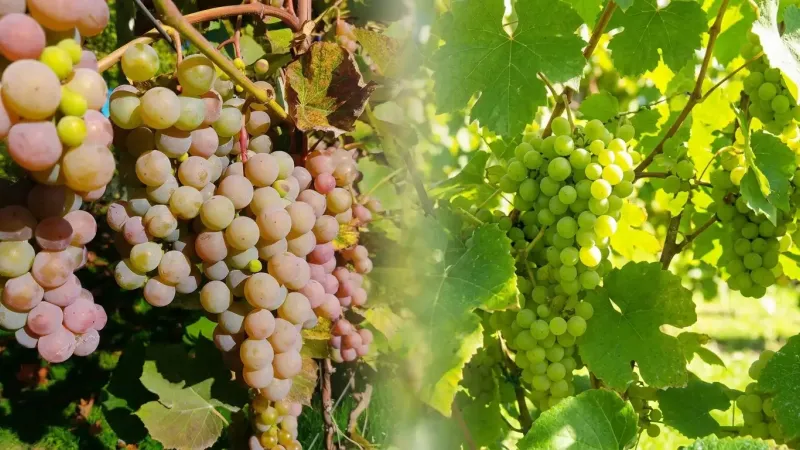
Päť odolných odrôd viniča pre chladnejšie záhrady
Alešenkin, Dvietes Zilā, Ļebedevskaja, Varduva a Skaistė – od super skorého dozrievania po mrazy do −30 °C
Vinič už dávno nie je výsadou najteplejších vinohradníckych oblastí. Vďaka práci ruských, lotyšských a litovských šľachtiteľov máme k dispozícii odrody, ktoré spoľahlivo dozrievajú aj v rokoch s chladným letom a prežijú zimy, pri ktorých klasické odrody bez krytia hynú. Päť odrôd v tomto článku predstavuje tri rôzne cesty, ako sa vyrovnať s drsnejšou klímou: super skoré dozrievanie, medzidruhové kríženie s americkým viničom a dlhá skladovateľnosť.
Každá z nich má svoje silné stránky aj svoje limity. Kým 'Alešenkin' vyniká veľkosťou strapcov a chuťou, ale vyžaduje dôslednú ochranu proti hubovým chorobám, severské odrody typu 'Dvietes Zilā' či 'Varduva' vymieňajú časť gastronomického komfortu za nenáročnosť a extrémnu mrazuvzdornosť.
|
−30 °C
najvyššia doložená mrazuvzdornosť
|
2 kg
najväčšie strapce 'Alešenkin'
|
22%
horná hranica cukornatosti
|
100 dní
najkratšia vegetačná doba
|
← Tabuľku posuňte prstom do strán →
Alešenkin – klasika so super skorým dozrievaním
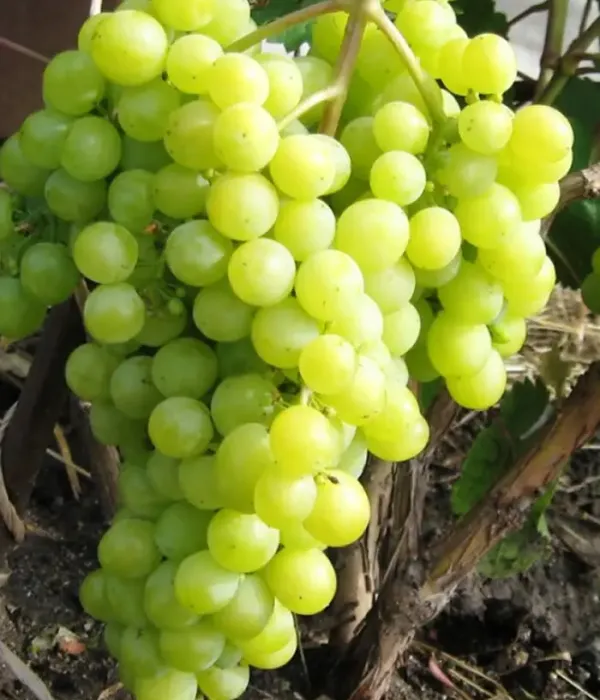
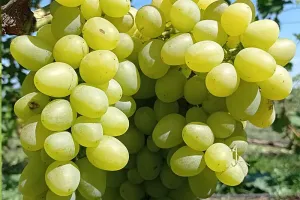
Odroda 'Alešenkin' (Алешенькин), známa aj pod synonymami 'Aleša', 'Alešenka' alebo 'č. 328', patrí medzi historicky najvýznamnejšie biele stolové odrody. Vyšľachtil ju v roku 1956 akademik Pjotr Jefimovič Cechmistrenko na Volgogradskej experimentálnej stanici krížením odrody 'Madeleine Angevine' (Madlenka kráľovská) so zmesou peľu rôznych stolových odrôd; niektoré zdroje uvádzajú ako jedného z darcov peľu 'Muškát hamburský'. Meno dostala po šľachtiteľovom vnukovi. Orenburský vinohradník Fiodor Iľjič Šatilov ju neskôr metódou klonovej selekcie zdokonalil a zvýšil jej odolnosť voči teplotným výkyvom a suchu – tento klon sa pestuje pod názvom 'Alešenkin dar'.
| Cukornatosť odrody 'Alešenkin' | 19 – 22% |
| nízka cukornatosť | vysoká cukornatosť (lepšie) |
Značka je vztiahnutá k škále 0 – 25% cukru a označuje stred udávaného rozpätia (20,5%).
Upozornenie: zdravotný stav je najslabším miestom
'Alešenkin' nie je komplexne odolná odroda a je citlivá na hubové choroby. Bez pravidelnej biologickej alebo chemickej fungicídnej ochrany úroda v horších rokoch výrazne trpí. V niektorých rokoch sa objavuje aj hráškovatenie, teda tvorba drobných nedovyvinutých bobúľ.
Dvietes Zilā – legenda severského vinohradníctva
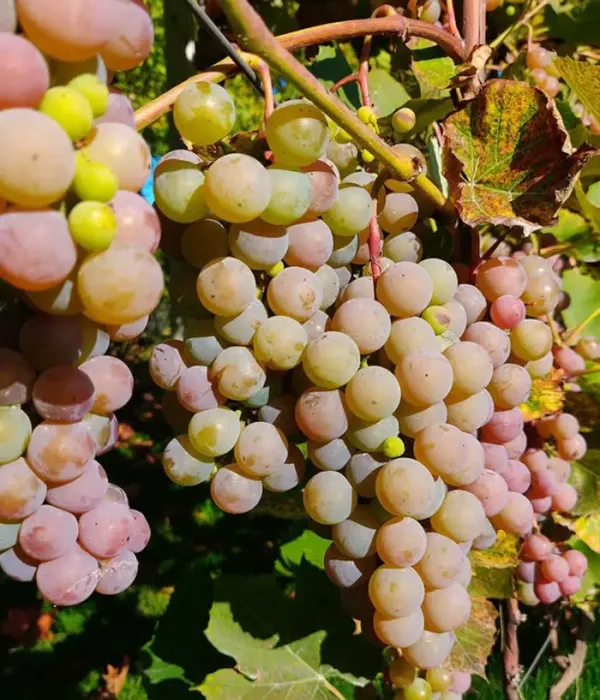
'Dvietes Zilā', v preklade Dvietská modrá, je odroda, ktorá zmenila predstavu o tom, kde sa dá pestovať hrozno. Ide o prvú medzinárodne uznávanú, extrémne mrazuvzdornú odrodu, ktorá dokázala prežiť a pravidelne rodiť v drsnom lotyšskom podnebí. Vyšľachtil ju v roku 1949 Pauls Sukatnieks z obce Dviete medzidruhovým krížením európskeho druhu Vitis vinifera a amerického Vitis labrusca.
Pauls Sukatnieks (1914 – 1989) bol záhradník a šľachtiteľ-samouk, ktorý okrem viniča šľachtil aj melóny, paradajky, jablone a ruže. Medzinárodne sa však preslávil ako prvý človek, ktorý dokázal vyšľachtiť skutočne mrazuvzdornú odrodu viniča.
Kompromisom je veľkosť bobúľ, ktoré sú v porovnaní s modernými stolovými odrodami menšie, a pravdepodobná špecifická aróma vyplývajúca z podielu Vitis labrusca v rodičovstve.
Ļebedevskaja – hrozno na vianočný stôl
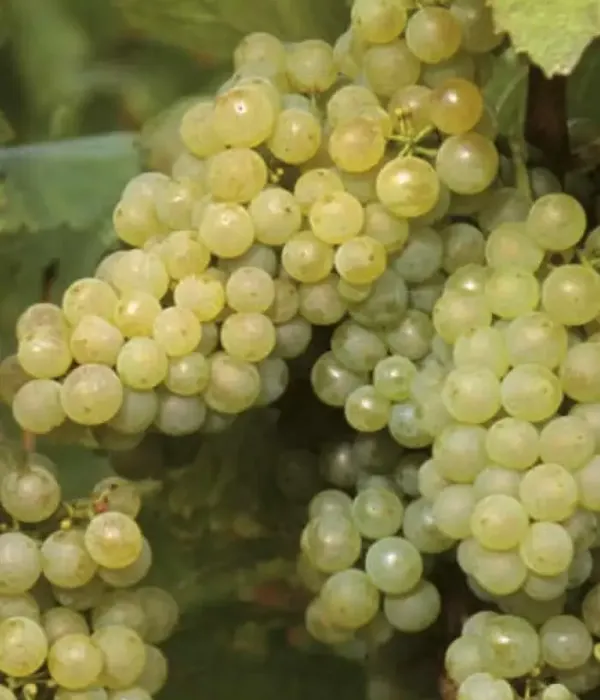
Táto neskorá univerzálna odroda je cenená predovšetkým pre dve vlastnosti: výnimočnú skladovateľnosť a špecifickú medovú arómu. Ak si chcete vychutnávať vlastné čerstvé hrozno aj počas zimných mesiacov, je 'Ļebedevskaja' logickou voľbou.
Varduva – odolnosť a muškátová aróma
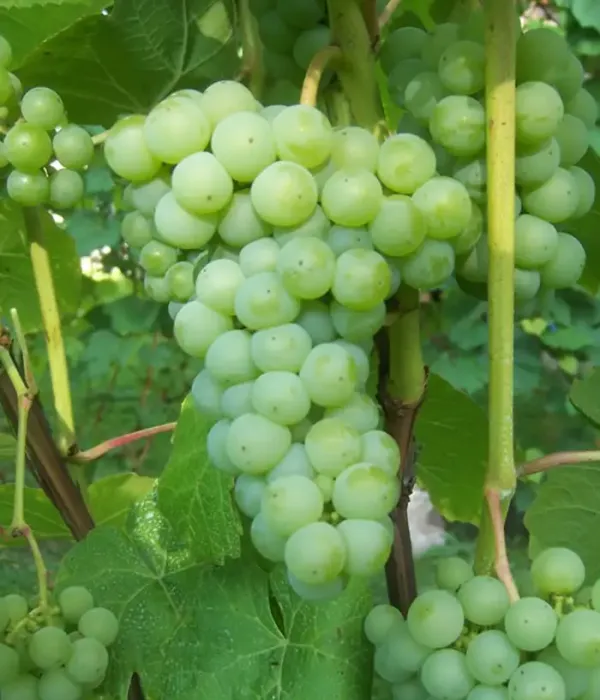
'Varduva' (synonymum Vārduve) pochádza z Litvy od šľachtiteľa Antanasa Gailiūnasa a je zapísaná v zozname národných genetických zdrojov rastlín Litvy. Presné rodičovské odrody nie sú známe. Spája extrémnu mrazuvzdornosť s výborným zdravotným stavom a sladkou, výrazne aromatickou chuťou.
Regulácia úrody je pri 'Varduve' nevyhnutná
Jednoročné výhony vyzrievajú veľmi dobre a na zimu sa odporúča rez s ponechaním 6 – 8 očiek. Pri veľmi vysokej úrodnosti však odroda ľahko preťaží ker, čo sa prejaví na cukornatosti aj na vyzretí dreva. Prebierka strapcov a vylamovanie zahusťujúcich letorastov sú preto súčasťou bežnej starostlivosti. Odroda je nenáročná na pôdu, vyžaduje však mierne kyslú reakciu.
Skaistė – tenká šupka medzi severskými odrodami
'Skaistė', v preklade z litovčiny Svetlá alebo Čistá, je ďalšou odrodou od Antanasa Gailiūnasa. Od 1. februára 2024 je oficiálne zapísaná v zozname národných genetických zdrojov rastlín Litvy pod identifikačným číslom AGB06159. Medzi mrazuvzdornými odrodami vyniká tým, čo im zvyčajne chýba – tenkou šupkou a pomerne veľkými bobuľami.
Porovnanie odrôd
| Odroda | Pôvod | Dozrievanie | Hmotnosť strapca | Mrazuvzdornosť | Cukornatosť |
|---|---|---|---|---|---|
| Alešenkin | Rusko, 1956 | 2. polovica júla – polovica augusta | 500 – 600 g (max. 1,5 – 2 kg) | −26 °C | 19 – 22% |
| Dvietes Zilā | Lotyšsko, 1949 | polovica septembra | 350 – 500 g | −30 °C (uvádza sa aj −35 °C) | údaj sa neuvádza |
| Ļebedevskaja | údaj sa neuvádza | október | 120 – 150 g | údaj sa neuvádza | údaj sa neuvádza |
| Varduva | Litva | 2. – 3. dekáda septembra | 150 – 180 g | −23 °C, krátkodobo až −30 °C | 18% |
| Skaistė | Litva | polovica – koniec septembra | údaj sa neuvádza | −25 °C | údaj sa neuvádza |
← Tabuľku posuňte prstom do strán →
Mrazuvzdornosť v porovnaní
| Dvietes Zilā | −30 °C |
| Varduva (krátkodobo) | −30 °C |
| Alešenkin | −26 °C |
| Skaistė | −25 °C |
← Posuňte prstom do strán →
Lišty sú vztiahnuté k hodnote −30 °C ako maximu škály. Pri odrode 'Varduva' je zobrazená krátkodobo znášaná hodnota; trvalá odolnosť sa uvádza na úrovni −23 °C. Pre odrodu 'Ļebedevskaja' zdroje presnú hodnotu mrazuvzdornosti neuvádzajú, preto v porovnaní chýba.
Ktorá odroda pre aké stanovisko
Najnenáročnejšie: 'Dvietes Zilā' a 'Varduva'. Obe znášajú mrazy až do −30 °C, nevyžadujú zložité zimné krytie a majú dobrý prirodzený zdravotný stav. Vhodné aj na exponované, nechránené stanovištia a na drôtenku vo voľnom priestranstve.
Vyžadujú teplejšiu polohu: 'Skaistė' a 'Ļebedevskaja'. Obe dozrievajú neskoro, a preto potrebujú miesto, ktoré predĺži vegetačnú sezónu – najlepšie chránenú južnú stenu. V chladnej a daždivej jeseni sa zber posúva.
Vyžaduje pravidelnú ochranu: 'Alešenkin'. Najlepšia chuť aj najväčšie strapce v tejto skupine, ale bez fungicídnej ochrany a bez dôslednej regulácie úrody odroda nevydá to, čo od nej očakávate.
Zhrnutie
Ak hľadáte istotu zberu aj v chladnom roku a nechcete sa zaoberať zimným krytím, siahnite po lotyšskej alebo litovskej klasike. Ak vás láka veľkosť strapcov a plná stolová chuť, 'Alešenkin' zostáva ťažko prekonateľný – len počítajte s tým, že ochrana proti hubovým chorobám a prebierka strapcov budú súčasťou každej sezóny. Kombinácia viacerých odrôd s odlišným termínom dozrievania navyše predlžuje obdobie zberu od druhej polovice júla až po október a pri 'Ļebedevskej' v pivnici až do januára.
|
Odolné odrody viniča z nášho eshopu
Mrazuvzdorné severské odrody aj sladké stolové klasiky – vyberte si vinič, ktorý u vás spoľahlivo dozrie a odmení vás úrodou už v druhom roku po výsadbe. Prezrieť ponuku viniča |
Pridajte sa k našej komunite
Vymieňajte si skúsenosti s pestovaním, pýtajte sa na odrody a zdieľajte úrodu v našej facebookovej skupine plnej nadšených ovocinárov, diskutujte s odborníkmi a získajte prístup k článkom ako prví. Vstúpiť do skupiny |
Súvisiace produkty