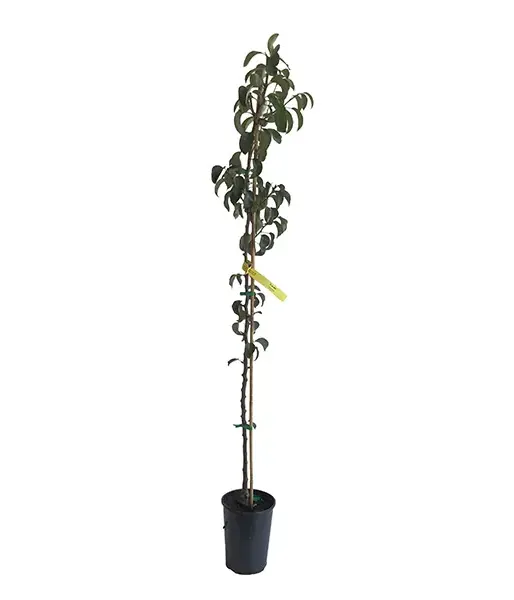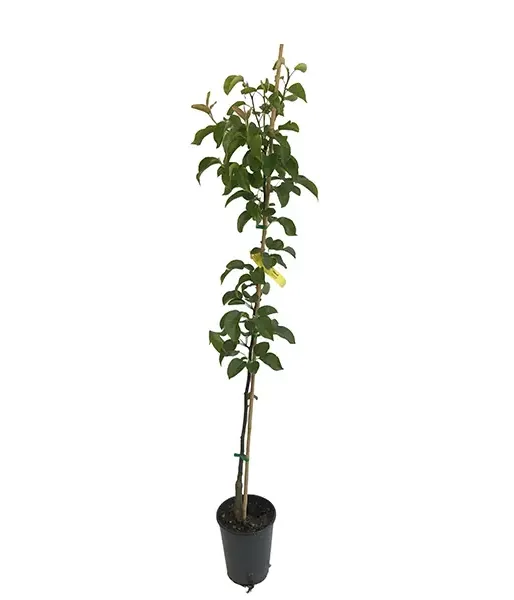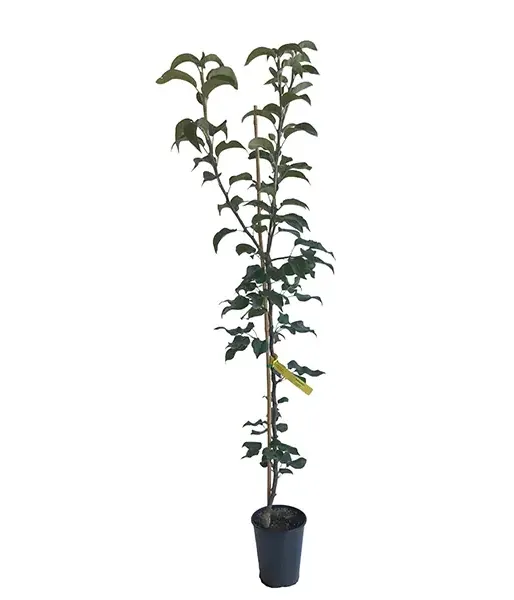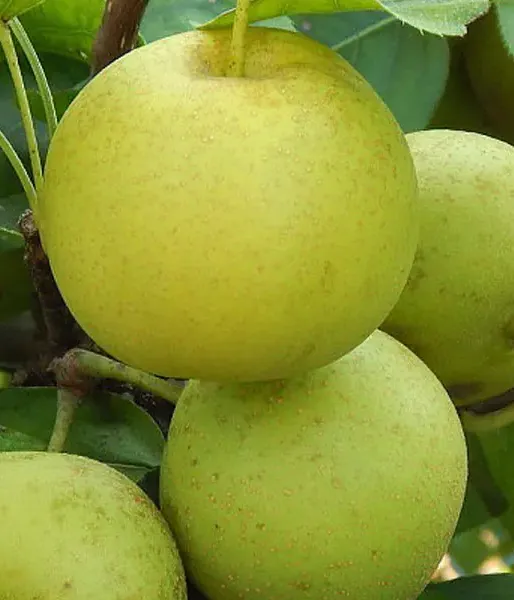



























Pear (pyrus communis) CURE

On request
On Order
- All the plants that we have on offer and that you can order are actually in stock.
- The shipping price depends on the weight of the ordered goods (the more products, the cheaper the price)
- after you have placed the plants in the shopping cart, enter “calculate provisional shipping price” in the shopping cart, after entering the data the eshop will calculate the provisional shipping price for you.
Ask a Question About This Product
Pear (pyrus communis) CURE
| Specifications | |
| Delivery time | 6-12 months |
Price
49.08€
Ex Tax: 39.90€
- Stock: On Order
- Model: Pyrus communis


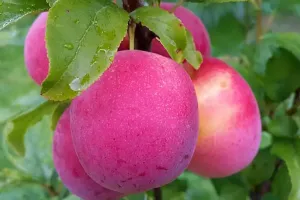
Pear (Pyrus communis) 'Cure' ('Pastorenbirne')
Historic French variety with long storage life and high yield.
'Cure' (also known as 'Dobrá Voda' or 'Pastorenbirne') is a very old French pear variety, cultivated since 1760. It is a rustic, long-lived, and adaptable tree, still popular mainly due to its high yield and excellent storage life of fruits until February.
Main advantages of the variety:
- Excellent long storage life (until February).
- Very high yield.
- Long-lived and hardy tree.
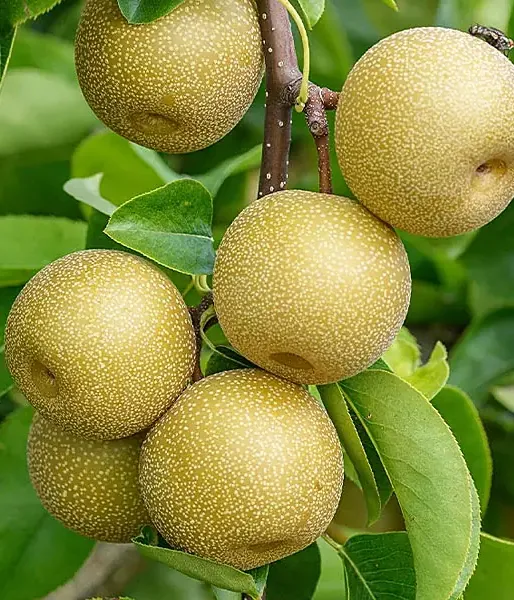
- Large fruits with a characteristic russet stripe.
- Good affinity with quince rootstock (also suitable as an interstock).
Origin and Registration
- Country of origin: France
- History: Known since 1760, widely grown especially in the Balkans and Romania.
- Synonyms: 'Dobrá Voda', 'Pastorenbirne'
Variety Characteristics
Tree
- Vigor: Strong, vertical growth. The crown has arching, drooping, brittle branches.
- Characteristics: Hardy, very long-lived, and adaptable.
Fruit
- Size and Weight: Medium to large, 180 – 300 g.
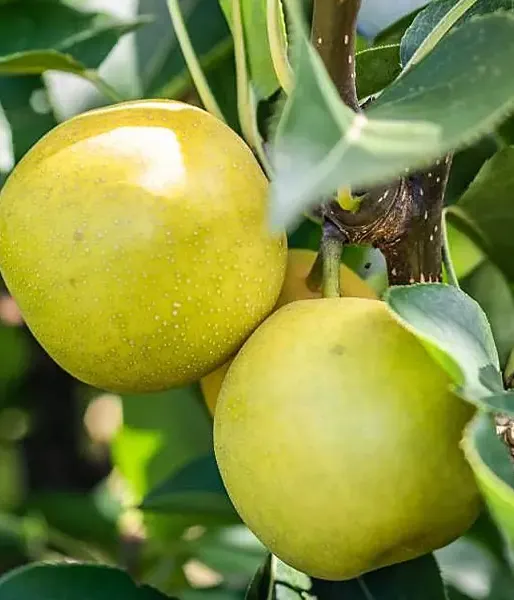
- Shape: Pyriform, elongated, asymmetric.
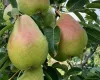
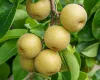
- Skin: Relatively thick, green-yellow to straw-yellow. A longitudinal russet stripe and russet dots are characteristic.
- Flesh: White to slightly greenish, dense, juicy, melting. Can form stone cells in poor conditions.
- Taste: Moderately sweet, tart, slightly astringent, without distinct aroma.
- Usage: Universal – fresh consumption, processing (compotes).
Resistance and Requirements
- Conditions: In cold, wet autumns on heavy soils, it tends to form stone cells (sclereids) around the core.
Cultivation Recommendations
- Pollination: Self-sterile. Suitable pollinators: 'Williams', 'Clapp's Favorite', 'Bosc'.
- Yield: Very high, but prone to alternate bearing.
Harvest and Storage
- Harvest time: First half of October.
- Storage: Excellent, lasts until January or February.