

Cart

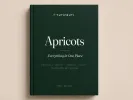
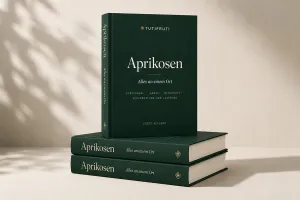
Apricots – Everything in One Place (E-book PDF) - English
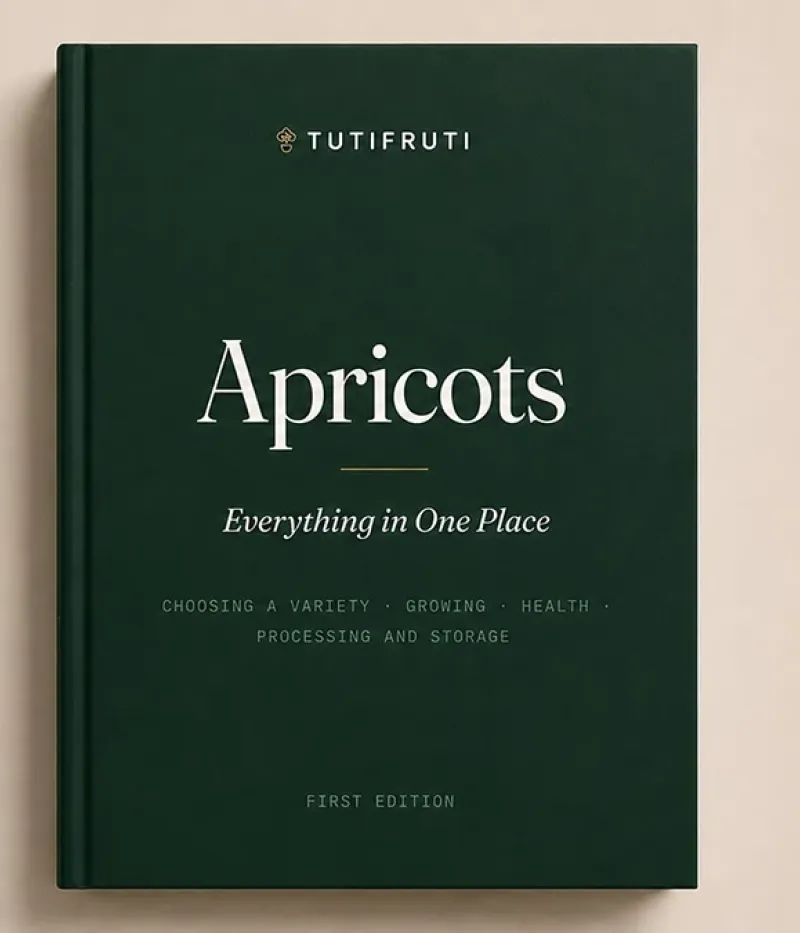
Apricots – Everything in One Place (E-book PDF) - English - Tutifruti, s.r.o.
New
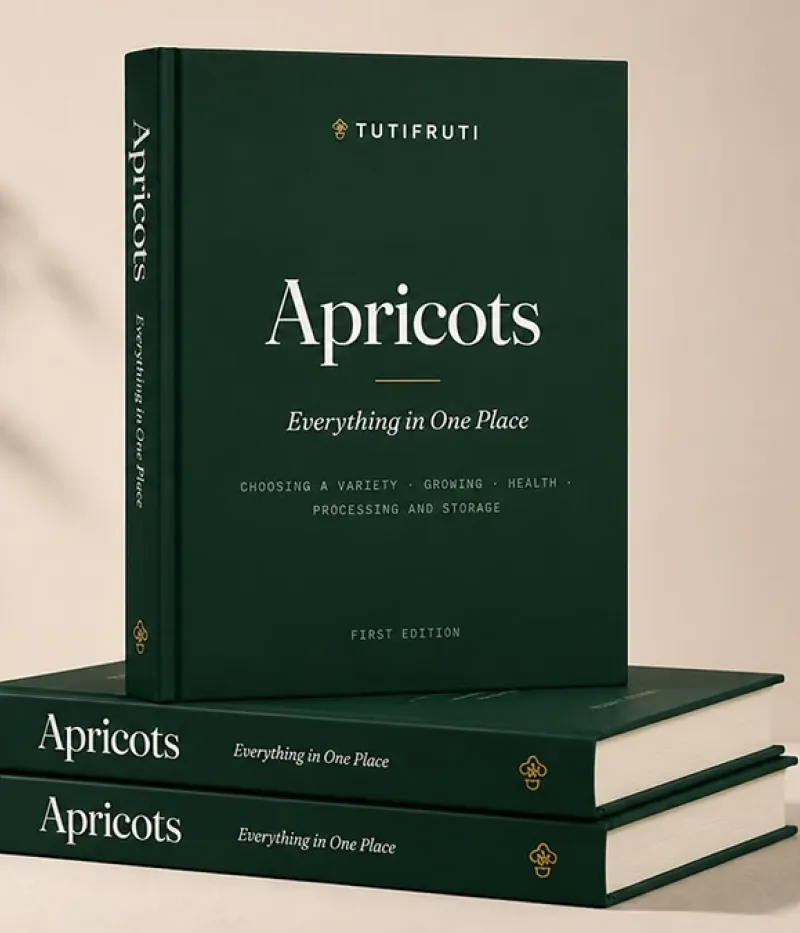
Apricots – Everything in One Place (E-book PDF) - English - Tutifruti, s.r.o.
Apricots – Everything in One Place (E-book PDF) - English
Specifications
Language English
The standard delivery time is 2-5 working days.(except for goods "On request")
We send goods on Monday, Tuesday, Wednesday, by agreement also Thursday or Friday.
Price
19,99€
Ex Tax: 19,99€
  • Stock: In Stock
  • Model: E-book PDF - EN

E-book: Apricots - Everything in One Place

The apricot blooms earlier than it should. A single night in March decides the entire harvest — which is exactly why so much contradictory advice has gathered around it. This book provides science-backed answers.


Most of what is written about apricots is copied from article to article. Numbers travel without sources, advice without explanation, and when two texts contradict each other, no one addresses it. This book was created the other way around. It is based on scientific literature, features numbered references in the text, and at the end of each of the eight parts, you will find a list of the studies used. Where measurements diverge, the book points it out — along with an explanation of why they diverge, instead of just picking the number that sounds better.

What is this book about?

You will learn where the apricot comes from and why it has so many forms. How to choose a variety that will survive your specific winter, and which rootstock you want it on. What happens inside the fruit during ripening and what happens to it afterward — in the fridge, in the dehydrator, in the freezer, and in a mason jar. Why it sometimes pays off to cook an apricot, and other times you lose almost everything by doing so.

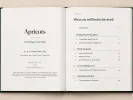
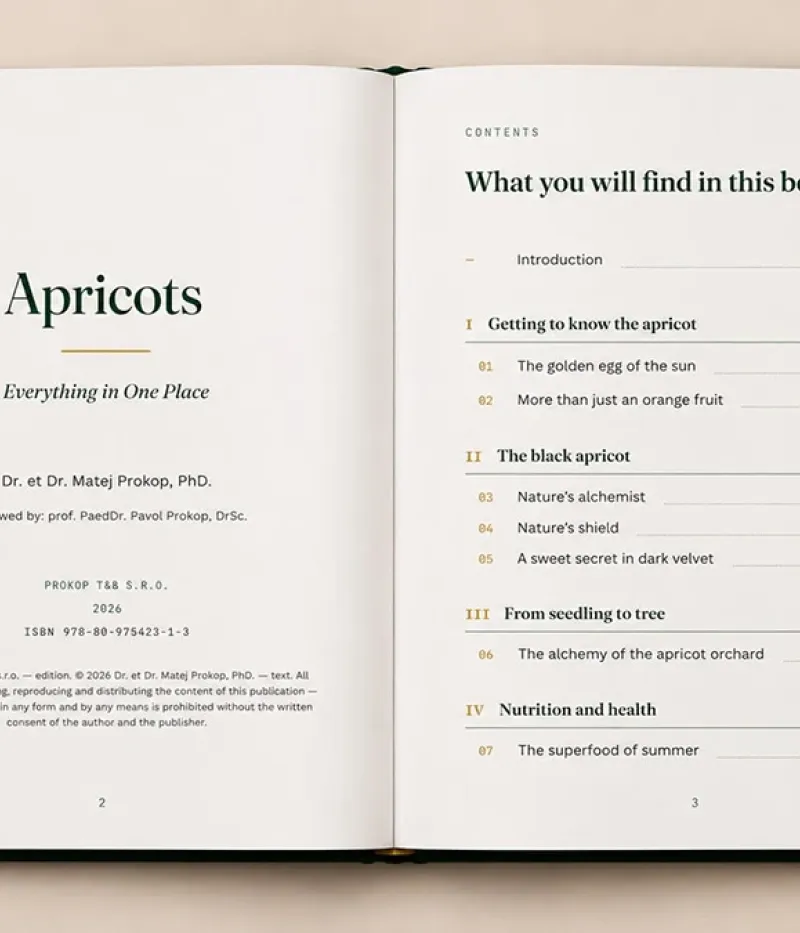
What you will find in the book (Contents)
  • I. Getting to know the apricot: Origin, botany, related species, and why one species is so variable.
  • II. The Black Apricot: Genetics of the hybrid (Prunus × dasycarpa), frost hardiness, disease resistance, and why it tastes different from a regular apricot.
  • III. From seedling to tree: Site selection, rootstocks, and their impact on the growth, yield, and lifespan of the tree.
  • IV. Nutrition and health: Carotenoids, vitamins, antioxidants, and what studies are researching about them.
  • V. The pit and the kernel: Amygdalin, sweet versus bitter kernels, apricot oil, and its composition. Where the boundaries lie beyond which a folk delicacy becomes a risk.
  • VI. Taste, aroma, harvest: The sweetness index, why store-bought apricots taste different, and what the refrigerator does to the fruit.
  • VII. From tree to jar: Drying, freezing, canning, jams, and no-cook methods; five rules that apply to everything.
  • VIII. Nothing is thrown away: What is inside the unripe fruits that fall to the ground during thinning.
  • IX. Variety Catalog: 45 varieties from four regions.
Catalog of 45 Varieties and Breeders
  • Catalog focus: Latvian, Romanian, Russian, and Ukrainian varieties, plus interspecific hybrids.
  • Detailed profiles: For each variety, you will find the origin, breeder, year of registration, description of the tree and habit, size, color, flesh and pit, frost hardiness of wood and flower buds, disease resistance, pollination requirements, and harvest time.
  • How to read the data: The catalog has its own introduction explaining that the "early — mid — late" classification comes from the domestic assortment of each country and is not directly comparable across the entire catalog.
  • Stories of the breeders: A separate chapter is dedicated to people like P. Upītis, who spent decades in Latvia crossing apricots with material from the Caucasus, or Elena Topor, who is behind five varieties in this catalog.
Technical Details
  • Author: Dr. et Dr. Matej Prokop, PhD.
  • Reviewer: prof. PaedDr. Pavol Prokop, DrSc.
  • Length: 294 pages, 22 chapters
  • Format: PDF, optimized for screen reading and printing (file size 20 MB). The file is not password protected (DRM-free); you can read it on all your devices, print it, and make notes. Each copy contains buyer identification.
  • Language: Slovak (also available in German and English)
  • Edition and ISBN: First edition, 2026 | ISBN: 978-80-975423-0-6
  • Publisher: TUTIFRUTI (Prokop T&B s.r.o.)
    (You will receive a link to download the PDF file immediately after your order is paid.)

Write a review

Note: HTML is not translated!
Rating
Bad Good