

















The Miracle Called Apricot: How Its Antioxidants Fight Aging and Whether Fresh or Dried is Healthier
The Miracle Called Apricot: How Its Antioxidants Fight Aging and Whether Fresh or Dried is Healthier
Since time immemorial, humanity has searched for the elixir of youth and a cure for longevity. While laboratories around the world develop complex synthetic molecules, nature has long offered us its own perfect solution. Every second, an invisible war is raging inside our bodies. Our cells are under constant attack by aggressive molecules that cause aging, damage DNA, and trigger chain reactions leading to serious diseases.
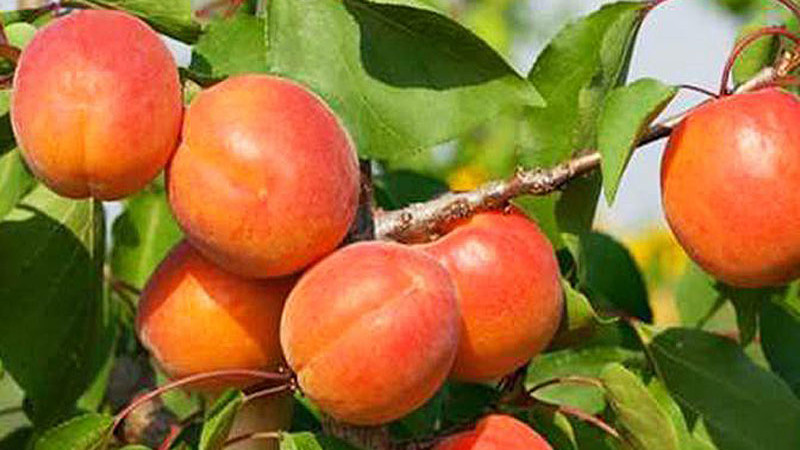
In this cellular war, however, we have a strong ally. It is an inconspicuous, velvety fruit – the apricot (Prunus armeniaca L.). Modern research shows that apricots are not just a sweet summer treat, but literally a biochemical weapon of mass destruction against free radicals. And this is true regardless of whether you eat them fresh straight from the tree or in winter as a dried delicacy.
“This professional article will take you on a journey into the microworld of apricots. It will reveal how their antioxidant power protects our brain and heart, while also exactly comparing whether the drying process produces fruit poorer in vitamins or, on the contrary, turns it into a concentrated nutritional bomb.”
Part I: The Invisible War Inside Our Bodies
1. Anatomy of the Enemy: Oxidative Stress and Free Radicals
To understand the power of apricots, we must first know the enemy. As a result of normal metabolism, but also due to external factors (UV radiation, pollution, xenobiotics in food), reactive oxygen species (ROS) and free radicals are formed in our bodies. These include, for example, superoxide radicals, hydroxyl radicals, or hydrogen peroxide.
These molecules are extremely unstable and aggressive. They attack the structure of DNA, proteins, and lipids (fats) in cell membranes, disrupting their normal functioning. This condition is called oxidative stress and is the main cause of the pathogenesis of chronic disorders, including cancer, inflammation, ulcers, diabetes, cardiovascular diseases, and the aging process itself.
2. The Phytochemical Army of Apricots: Weapons of Mass Protection
Apricots are equipped with an exceptionally rich arsenal of phytochemicals – biologically active substances that the plant primarily produces as a defense mechanism. When we consume these substances, they become our protective shield.
Three Main Groups of Antioxidants in Apricots
| Polyphenols and Flavonoids | They act as "radical scavengers." These include chlorogenic acid, caffeic acid, and rutin. Thanks to the hydroxyl groups in their structure, they act as hydrogen donors, neutralizing aggressive radicals. Furthermore, they bind excess iron and safely flush it out of the body. |
| Carotenoids | Membrane protectors. They give apricots their yellow to red color. Dominant is beta-carotene (over 50% of all carotenoids), lutein, and zeaxanthin, which protect cells from oxidative damage and are crucial for immunity. |
| Vitamins C and E | Vitamin C protects the watery environment of the cell, while Vitamin E (tocopherols) protects the lipid (fat) structures of cell membranes. |
3. Anti-Aging Shield: Protection for the Brain, Eyes, and Skin
Aging is not just about wrinkles; it is the gradual degradation of our senses and cognitive functions. Antioxidants from apricots can significantly slow down this process.
The Fight Against Alzheimer's Disease
Alzheimer's disease is characterized by the accumulation of toxic amyloid-beta protein in the brain. Recent research has shown that lutein from apricots exhibits strong inhibitory effects against the formation of these toxic clumps and can even destabilize them. Clinical studies found that patients with mild dementia have significantly lower serum concentrations of vitamin C and beta-carotene – exactly the substances apricots are loaded with.
- Sharp vision: Free radicals in the eyes are formed directly when light hits the retina. Zeaxanthin and lutein in apricots act as natural filters for harmful blue light and protect the retina from macular degeneration and cataracts.
- Elixir for skin and hair: Anthocyanins protect the skin by reducing the risk of sunburn and wrinkle formation. Vitamin E prevents skin from drying out, maintains its natural moisture, and prevents dandruff.
4. Warriors Against Chronic and Fatal Diseases
Cardiovascular Diseases: The oxidation of "bad" LDL cholesterol is a major cause of atherosclerosis (clogged arteries). Chlorogenic acid and carotenoids directly prevent this oxidation. Moreover, flavonoids inhibit blood platelet aggregation, reducing the risk of blood clots and heart attacks.
Anticancer Potential: Antioxidants in apricots interfere with the mechanisms of carcinogenesis. Laboratory studies have shown that apricot extracts can inhibit the growth of certain cancer cells (colon, breast, liver) by triggering programmed cell death (apoptosis) in them. Epidemiological studies also confirm that a diet rich in flavonoids reduces the risk of lung cancer.
Liver Protection: A diet containing apricots significantly reduces the risk of fatty liver disease (steatosis) and protects it from damage caused by free radicals and toxins.
Part II: The Golden Duel – Fresh vs. Dried Apricots
The problem with this "golden fruit" is its extreme transience. Fresh apricots have a very high respiration rate and a rapid ripening process, meaning their shelf life at room temperature usually does not exceed 4 to 5 days. It is precisely this high perishability that led humanity to dry the majority of the world's apricot production (Turkey produces up to 80% of all dried apricots in the world).
However, when we remove water from the fruit, not only its texture and taste change but also its biochemical profile. Does the drying process destroy valuable vitamins, or does it instead turn the apricot into a more concentrated nutritional bomb?
1. Fresh Apricots: Kings of Hydration and Vitamin C
A bite into a fresh apricot is literally a refreshing infusion for the body. The fresh fruit is mostly made of water (up to 86.35%).
- Low-calorie miracle: One hundred grams of fresh fruit provides the body with only 48 kcal of energy and contains a negligible 0.39 g of fat.
- The Advantage of Freshness – Vitamin C: The biggest trump card of fresh apricots is vitamin C (ascorbic acid), which is extremely sensitive to heat. Fresh apricots contain approximately 10 to 15.5 mg of vitamin C per 100 g.
2. Dried Apricots: A Concentrated Powerhouse of Nutrients
The drying process removes most of the moisture from the apricot (water content drops from 86% to approximately 30%). This rapidly shrinks the volume of the fruit, leading to a massive concentration of all remaining nutrients.
Energy and Carbohydrate Load
Concentration takes its toll on caloric value. One hundred grams of dried apricots contain up to 241 kcal, and the total sugar content shoots up to 53.44 g. Therefore, dried apricots are an excellent source of quick energy for athletes, but require portion control for a sedentary lifestyle.
- Fiber for perfect digestion: While fresh apricots contain 2 g of fiber per 100 g, dried apricots offer up to 7.3 g. This huge increase makes dried apricots an excellent tool for preventing constipation.
- Mineral Extreme (Iron and Potassium): If you suffer from anemia or high blood pressure, dried apricots are your best friend. They contain an incredible 1162 mg of potassium (fresh only 259 mg) and 2.66 mg of iron (fresh 0.39 mg) per 100g.
- Vitamin Concentration: Drying also multiplies the content of vitamins that are not sensitive to heat. Dried apricots contain almost twice as much vitamin A, almost five times as much vitamin E, and significantly higher values of B vitamins. The toll for drying, however, is vitamin C, whose content drops to a negligible 1 mg.
3. The Battle of Antioxidants: What Happens During Drying?
Research shows a surprising fact: the total antioxidant activity of dried apricots can be higher than that of fresh ones. Studies found that the total phenolic content (TPC) in fresh apricots was 16.6 mg GAE/100 g, while in partially dried ones it rose to 64.73 mg GAE/100 g.
However, it depends on the drying method. Industrial hot air drying (e.g., at 70 °C) can better preserve color and nutritional composition than traditional slow sun drying. Too high temperatures (above 80 °C), however, lead to the oxidation of beta-carotene.
The Dark Side: The Issue of Sulfuring (SO2)
Beautiful orange dried apricots in the store are treated with sulfur dioxide (SO2), otherwise they would turn brown. Sulfuring protects the color and prevents spoilage, but it reduces the vitamin C content and can cause allergic reactions in asthmatics. If you want to avoid chemicals, prefer unsulfured (brown) dried apricots.
Overall Conclusion
Science speaks clearly: the apricot is a highly sophisticated biochemical complex. The answer to the question of whether fresh or dried are healthier depends on what your body currently needs.
If you are looking for refreshment, hydration, low calorie intake, and a dose of vitamin C, fresh apricots are the absolute winner. However, if you need to replenish iron, potassium, fiber, or are looking for a concentrated source of energy and vitamin A, dried apricots have no competition.
Nature has given us a perfect tool for health in the form of the apricot – full of refreshing juice in the summer and preserved in a sweet, energy-packed capsule in the winter. The healthiest choice, therefore, is to utilize the benefits of both its faces.
Plant your own tree of health
View our offer of resilient apricot varieties ➤
Interested in the health benefits of fruit?
Join our community and read similar articles first.
Join the VIP Facebook group HERE ➤