


















Hawthorn (Crataegus): Health Effects, Uses, and Safety (Part 2)
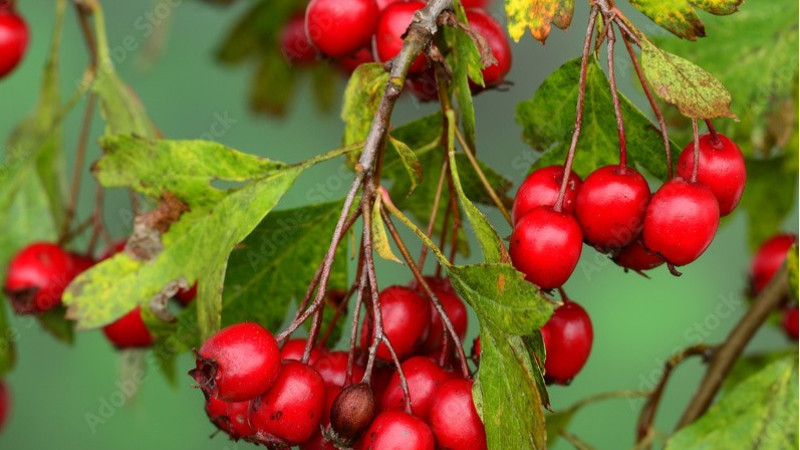
Hawthorn: An Odyssey of the Thorny Guardian from Folk Medicine to Modern Medicine (Part 2)
In the first part of our guide, we unveiled the botanical and chemical complexity of hawthorn. We discovered that this thorny shrub is, in fact, a sophisticated natural laboratory producing hundreds of bioactive compounds. Today, we move from molecules to real-world effects on human health.
“Hawthorn has long ceased to be just an 'herb for heart palpitations.' Current research reveals its ability to interfere with inflammation signaling pathways, regulate lipid and glucose metabolism, protect neurons, and even fight cancer cells.”
In this second and final part of our odyssey, we will look at the science-backed pharmacological effects, modern uses, and safety profile of this exceptional plant.
1. The Heart of Nature: Hawthorn as the Gold Standard of Cardio-Phytotherapy
The most well-documented area of hawthorn's action is the cardiovascular system.
- Heart Failure: Clinical studies have confirmed that hawthorn extracts (e.g., WS 1442) improve exercise tolerance, reduce shortness of breath, and fatigue in patients with mild heart failure. They increase the force of the heart's contraction while reducing the heart rate, thereby saving the heart muscle's energy.
- Vessel Protection: Hawthorn dilates blood vessels, especially the coronary arteries, improving blood flow to the heart. This effect is mediated by increased production of nitric oxide (NO).
- Blood Pressure and Cholesterol: Hawthorn helps lower blood pressure (by inhibiting the ACE enzyme) and effectively reduces levels of "bad" LDL cholesterol and triglycerides, thus acting as a preventative against atherosclerosis.
2. A Warrior Against Modern Diseases
Hawthorn's potential extends far beyond cardiology.
- Anti-diabetic Effects: Polyphenols and polysaccharides from hawthorn slow the absorption of sugars from the intestine, stimulate insulin release, and protect the pancreatic cells.
- Anti-inflammatory Effects: Hawthorn extracts suppress key inflammatory signaling pathways in the body (NF-κB, MAPK), thus dampening the chronic inflammation that triggers many diseases.
- Liver and Digestive Protection: Hawthorn protects the liver from damage (e.g., in fatty liver disease) and supports the activity of digestive enzymes.
- Neuroprotective Effects: Bioactive compounds protect nerve cells from damage and show potential in managing anxiety and depression.
Potent Antioxidant and Anti-Aging Agent
One of hawthorn's main mechanisms of action is its extremely strong antioxidant activity. It not only directly scavenges free radicals but also activates our cells' own defense enzymes (via the Nrf2/HO-1 pathway), thereby strengthening our long-term resilience to oxidative stress.
3. From Jam to Smart Packaging: Modern Uses
Science today allows us to maximize the potential of hawthorn.
- Innovative Foods: Besides traditional jams and wines, hawthorn is becoming part of functional foods like probiotic beverages (water kefir), or its extracts are added to meat products as a natural preservative.
- Advanced Extraction Methods: Technologies like ultrasonic extraction or supercritical fluid extraction allow for the production of pure and highly concentrated extracts.
- Smart Packaging: A fascinating prospect is the use of hawthorn extracts in packaging materials which, thanks to their pH sensitivity, could indicate food freshness while extending its shelf life.
4. Safety and Clinical Status: What Do the Studies Say?
Hawthorn is generally considered a very safe herb with low toxicity. Side effects are rare and mild (nausea, dizziness). However, it is important to be cautious in certain situations:
- Drug Interactions: Hawthorn can enhance the effect of some heart medications (e.g., digoxin) and blood pressure-lowering drugs. A consultation with a doctor is always necessary, especially if you are taking multiple medications.
- Contraindications: Use is not recommended during pregnancy and for children under 12 without medical supervision.
Conclusion and Future Perspectives
Hawthorn has successfully bridged the gap between traditional herbalism and modern medicine. Its future lies in the further development of standardized products and a deeper understanding of its effects at the molecular level, especially in the fields of neuroprotection and oncology. The path forward lies in rigorous scientific research that will transform this "thorny shrub" into a sophisticated tool for the health of future generations.
Want to learn even more?
This article is just the beginning. If you want to dive deeper into the world of gardening, get exclusive tips, and access articles ahead of time, join our community!
Follow us on our Facebook page and always be one step ahead.
Which of the science-backed benefits of hawthorn surprised you the most? Do you use hawthorn in your home pharmacy? Share your experiences in the comments!