

































The Great Currant Guide 2026: 12 Top European Varieties

From Arctic Resilience to Dessert Sweetness: The Ultimate Guide to 12 Premium Currants for the 2026 Season
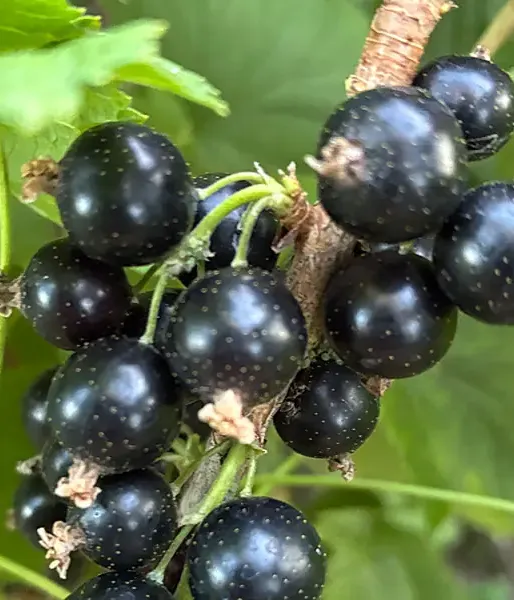
The times when currants were seen only as tart, sour berries fit at most for preserves and syrups are irretrievably gone. Today's modern and proven historical varieties from Eastern and Northern Europe are pushing the boundaries of what we can expect from this fruit. Whether it is an extremely high vitamin C content, fruits competing in size with small cherries, or a sweet dessert taste suitable for fresh consumption, the choice today is wider than ever before.
For the Spring 2026 season (expected sales depending on winter developments at the turn of April/May to May/June), we have prepared an unrivaled collection of twelve excellent varieties from Russia, Ukraine, Belarus, Sweden, Poland, Romania, and the Netherlands. This article will help you navigate their specifics and choose the right one for your orchard or garden.
“Choosing a currant is no longer just a lottery. Do you want a hedge that will withstand wildlife and frost? Are you looking for absolute bio-quality without spraying? Or do you need a variety from which the fruits won't leak during harvest? Our 2026 offer has an answer to every agrotechnical challenge.”
Category I: Russian Giants and Masters of Sweetness
The Russian breeding school is historically among the best in the world, especially regarding fruit size, extreme frost hardiness, and overcoming the sour taste typical of old black currant varieties.
'Veloj' (Leningrad Sweet): 5 Stars for Taste
A cross between the 'Leningradskij Velikan' variety and the Swedish 'Öjebyn'. It is the clear choice for those who want extremely large (up to 3.5 g) and sweet fruits without the need for spraying.
- Uniqueness: In tasting tests, it achieved the absolute maximum of 5 out of 5 points.
- Resilience: Highly resistant to powdery mildew, currant gall mite, and drought.
- Harvest: Ripens gradually (late July – mid-August), which is ideal for continuous home "snacking".
'Selechenskaya': Sweet as Dessert
The benchmark of taste bred at VNIIL. Known for its huge fruits (2.2 – 5.0 g).
For Demanding Connoisseurs
Its taste is explicitly sweet (7.8% sugars, only 2.2% acids), without the typical currant sourness (rating 4.9/5). However, it asks a price for this taste – it requires very fertile soil and regular fertilization, otherwise the berries shrink. In wet years, watch out for anthracnose.
'Yadrenaya': Extreme Size
A specific variety for the harshest conditions from Siberia. It produces fruits that compete with the size of small cherries (2.5 – 5.5 g, some sources report an incredible 7.8 g).
- Taste: Distinctly tart, refreshing (4.3/5). Sugars 9.0%. Excellent for processing.
- Warning: The bush tends to age quickly, requiring quality rejuvenation pruning.
'Leningradskij Velikan' and 'Zagadka'
'Velikan' brings huge fruits and high vitamin C (up to 254 mg/100g), withstands frosts excellently, but due to lower disease resistance (powdery mildew) requires an experienced grower.
Conversely, 'Zagadka' is a "shield against diseases" – it is highly resistant to powdery mildew, anthracnose, and gall mite, while providing large fruits with a dry pick.
Category II: Belarusian and Ukrainian Staples for Stability
These varieties are known for their ability to bring reliable and huge yields even in years when the weather does not favor fruit growers.
'Katyusha' and 'Pamjati Vavilova': Twins from Belarus
Both varieties were bred by the same team in Belarus and share excellent traits: high yield (up to 12 t/ha), large fruits, and great taste.
- 'Katyusha': Captivates with its elongated oval to pear-shaped fruit. It has an extremely high taste rating (4.9/5).
- 'Pamjati Vavilova': A vigorous bush that ripens simultaneously, with slightly lower sugar content but equally top-tier taste (4.8/5). However, both have medium susceptibility to fungal diseases.
'Svita Kijevskaja' and 'Chereshnevaya': Ukrainian Combine Stars
If you are planning a larger planting and counting on mechanical harvesting, these two varieties will not disappoint you.
Made for Harvesting
Both varieties ripen evenly (simultaneously) and are characterized by a "dry pick" – the berries are not damaged during harvest and juice does not leak. 'Chereshnevaya' excels in comprehensive disease resistance (except for rust at the end of the season) and the fruits do not drop.
'Minai Shmyrev': Survival at -40 °C
A Belarusian warrior that can withstand even the most extreme arctic winters. Excellent for processing. The disadvantage is strong susceptibility to American powdery mildew, requiring regular spraying.
Category III: European Favorites for ECO Growing
Modern breeding in the EU (Poland, Romania, Sweden) places enormous emphasis on resistance, making it possible to harvest in BIO quality without spraying.
'Gofert' (Poland): The Vitamin King
A modern variety that is literally a pharmacy on a branch. Extremely high vitamin C content (240 mg/100g) and anthocyanins are combined with absolute resistance to powdery mildew, rust, and leaf spot. Ideal for BIO growing. The bush is self-fertile and the fruits (0.9-1.2g) have a mildly sweet, dessert taste.
'Ben Connan' (Scotland/Poland): Compact Certainty for a Small Garden
While other varieties grow vigorously, 'Ben Connan' maintains a compact growth (1.5 – 2 m). The fruits grow in dense strigs, are very firm, and do not crumble even with delayed harvest. It excellently resists frosts down to -30 °C and maintains healthy leaves until late autumn.
'Storklas' (Sweden): Nordic Fragrance
Bred specifically for Scandinavian conditions. It is a huge, dense bush with drooping branches.
An Extra Point of Interest
Not only the fruits are valuable. The young leaves of the 'Storklas' variety are very fragrant and are traditionally collected and dried for medicinal tea. The variety is resistant, frost-hardy, and is considered less attractive to deer.
'Negre mari' (Romania)
A Romanian black currant characterized by strong growth and early ripening (first decade of July). The fruits are deep black, in long strigs. Resistance to diseases and frost is medium.
Category IV: A Red Exception for Abundance
'Rondom' (Netherlands) and 'Abundent' (Romania)
Two red varieties for lovers of the classic fresh, tart taste:
- 'Rondom': An old Dutch variety with massive growth (up to 3 meters with good fertilization). The name means "around" – the berries wrap around the entire stem. Ideal as a windbreak or hedge. The fruits do not drop and the harvest extends deep into August. Manual harvesting is slightly more laborious due to tight clusters.
- 'Abundent': A Romanian novelty, mid-early. As the name suggests, its main asset is record and regular yield. Disease resistance is very good.
Quick Selection Key: Which One is Yours?
| Your Priority | Recommended Varieties from Our Selection |
|---|---|
| Sweetest taste for fresh consumption | Veloj, Selechenskaya, Katyusha |
| Extreme fruit size (impress the neighbors) | Yadrenaya, Selechenskaya |
| BIO cultivation (no disease sprays) | Gofert, Zagadka, Chereshnevaya |
| Extreme frost (cold valleys) | Minai Shmyrev (-40°C), Storklas, Veloj |
| Small garden / Compact bush | Ben Connan |
| Mechanical harvesting (dry pick) | Svita Kijevskaja, Chereshnevaya |
| Huge bush / Hedge (red) | Rondom |
Conclusion
The currant collection for 2026 is compiled not only to cover the demand for fruit but to solve the specific problems of every grower. The key to success is choosing a variety exactly for your soil and climatic conditions. All listed varieties are fully or highly self-fertile, but to maximize yield, we always recommend planting at least two different varieties blooming at the same time.
Prepare for the new season today
View our complete soft fruit offer ➤
Wondering when these specialties will be in stock?
We share information about the import of limited varieties from the East in our VIP community.
Join our VIP Facebook group HERE ➤
Related Products