



















Ruža (Rosa): Sprievodca botanikou a fascinujúcim svetom hybridov (1. časť)
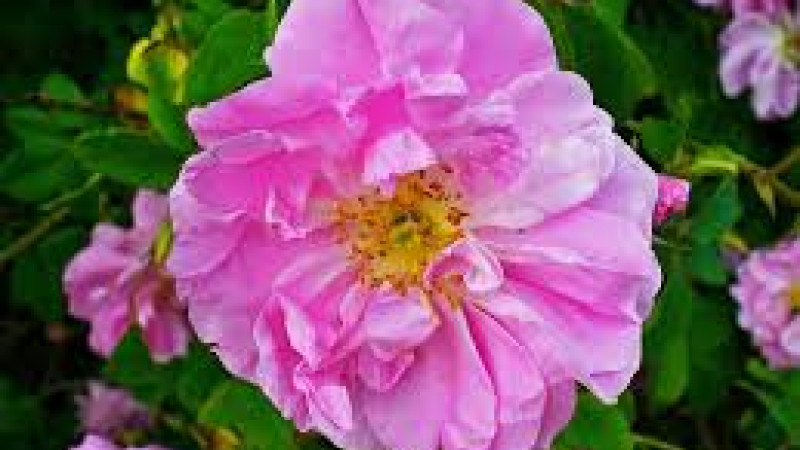
Ruža: Odysea kráľovnej kvetov (1. časť – Botanika a tajomstvá hybridizácie)
Rod Rosa (ruža), právom označovaný za „kráľovnú kvetín“, je oveľa viac než len symbol lásky a ozdoba záhrad. Z botanického hľadiska ide o mimoriadne komplexný a fascinujúci rod, ktorý predstavuje jednu z najväčších taxonomických výziev severnej pologule. Je to evolučné laboratórium prírody, ktorého genetická plasticita a schopnosť kríženia stáli pri zrode tisícok kultivarov.
„To, čo dnes vnímame ako „ružu“, je často výsledkom zložitých genetických procesov, ktoré prebiehali po tisícročia. Mnohé slávne druhy, vrátane ruže damascénskej, sú v skutočnosti starobylé hybridy.“
V prvej časti našej odysey sa ponoríme do botanickej podstaty a genetického pozadia tohto rodu. Odhalíme, prečo je tak ťažké ho klasifikovať a aké mechanizmy stoja za jeho neuveriteľnou rozmanitosťou.
1. Botanický portrét: Tŕnistá aristokracia
Rod Rosa patrí do čeľade ružovitých (Rosaceae) a zahŕňa približne 100 až 200 druhov rozšírených v miernom a subtropickom pásme severnej pologule. Sú to opadavé kry alebo popínavé liany s charakteristickými znakmi:
- Stonka a tŕne: Stonky sú vyzbrojené tŕňmi, ktoré sú v skutočnosti premenenými časťami pokožky a slúžia ako ochrana.
- Listy: Sú nepárno perovito zložené, zvyčajne s 5 až 9 lístkami s pílkovitým okrajom.
- Kvety: Oboj pohlavné, s piatimi korunnými lupienkami (u divých druhov), vo farbách od bielej cez ružovú, červenú až po žltú.
- Plody (Šípky): To, čo poznáme ako šípku, je nepravý plod – zdužinatená kvetná čiaška (hypanthium), ktorá ukrýva skutočné plody, ktorými sú tvrdé nažky.
2. Taxonomický chaos: Prečo je v ružiach taký neporiadok?
Klasifikácia ruží je notoricky zložitá. Počet druhov sa v literatúre dramaticky líši, a to z troch hlavných dôvodov:
- Hybridizácia: Ruže sa medzi sebou veľmi ľahko a často krížia, a to aj medzi druhmi z rôznych sekcií. Vzniká tak nespočetné množstvo prechodných foriem s kombinovanými vlastnosťami rodičov.
- Polyploidia: Mnohé druhy majú viacnásobné sady chromozómov (sú polyploidné). Zatiaľ čo väčšina druhov je diploidná (2 sady), existujú aj pentaploidné (5 sád) a dokonca aj Rosa nigra je dokosaploidná s 308 chromozómami – jeden z najvyšších počtov v ríši kvitnúcich rastlín!
- Unikátna „Canina“ meióza: Ruže zo sekcie Caninae (šípové ruže) majú špecifický spôsob rozmnožovania, pri ktorom potomstvo dedí až 80 % genetickej informácie od matky. Tento mechanizmus umožňuje fixáciu stabilných hybridných foriem.
Zaujímavosť: Slovenský hybrid
Dôkazom vzácnej hybridizácie je aj objav ruže Rosa × braunii v Malých Karpatoch. Ide o zriedkavého prírodného kríženca medzi ružou šípovou (R. tomentosa) a ružou bedrovníkovou (R. spinosissima) z dvoch odlišných botanických sekcií.
3. Slávne hybridy, ktoré zmenili svet
Moderné záhradné ruže majú prekvapivo úzku genetickú základňu – vznikli krížením len 8 až 20 pôvodných divých druhov. Medzi najvýznamnejšie historické hybridy patria:
- Rosa x damascena (Ruža damascénska): Pilier parfumérskeho priemyslu. Genetické analýzy potvrdili jej komplexný hybridný pôvod z troch predkov: R. gallica, R. moschata a R. fedtschenkoana. Je cenená pre vysoký obsah esenciálnych olejov.
- Rosa x centifolia (Ruža stolistá): Komplexný hybrid odvodený až od štyroch druhov, vrátane ruže damascénskej.
- Rosa x bourboniana (Bourbonská ruža): Kríženec medzi čínskou ružou (R. chinensis) a ružou damascénskou, ktorý priniesol do Európy kľúčovú vlastnosť – opakované kvitnutie (remontantnosť).
Rýchly prehľad kľúčových druhov
| Druh | Typ | Kľúčová vlastnosť | Hlavné využitie |
|---|---|---|---|
| Rosa canina | Divý druh | Vysoká odolnosť, unikátna meióza | Zdroj šípok, podpník |
| Rosa damascena | Historický hybrid | Intenzívna vôňa, obsah olejov | Parfumérsky priemysel |
| Rosa rugosa | Divý druh | Extrémna odolnosť voči chorobám a chladu | Šľachtenie, okrasné výsadby |
| Rosa chinensis | Divý druh | Opakované kvitnutie (remontantnosť) | Šľachtenie moderných ruží |
Záver 1. časti
Rod Rosa je dokonalým príkladom evolučnej dynamiky. Jeho schopnosť hybridizácie vytvorila obrovskú škálu foriem, ktoré dodnes fascinujú botanikov. Pochopenie tejto komplexnosti je kľúčom k využitiu obrovskej genetickej diverzity, ktorú môžeme použiť v modernom šľachtiteľstve, farmácii a potravinárstve. V ďalšej časti nášho sprievodcu sa pozrieme na chemické zloženie a zdravotné benefity, ktoré sa skrývajú v plodoch a kvetoch tejto kráľovnej kvetín.
Chcete vedieť ešte viac?
Tento článok je len začiatok. Ak sa chcete ponoriť hlbšie do sveta pestovania, získať exkluzívne tipy a prístup k článkom v predstihu, pridajte sa do našej komunity!
Pripojte sa do našej VIP Facebookovej skupiny a buďte vždy o krok vpred.
Prekvapila vás botanická zložitosť a hybridný pôvod mnohých známych ruží? Ktorý druh alebo hybrid vás zaujal najviac?