












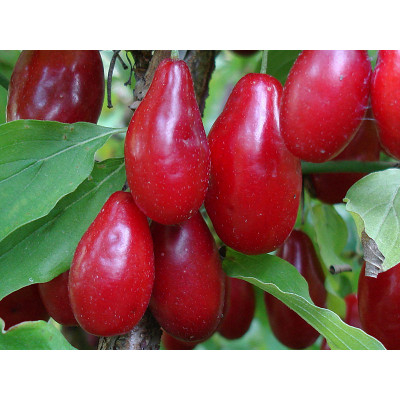





Hawthorn (Crataegus): A Guide to Botany and Chemical Composition (Part 1)
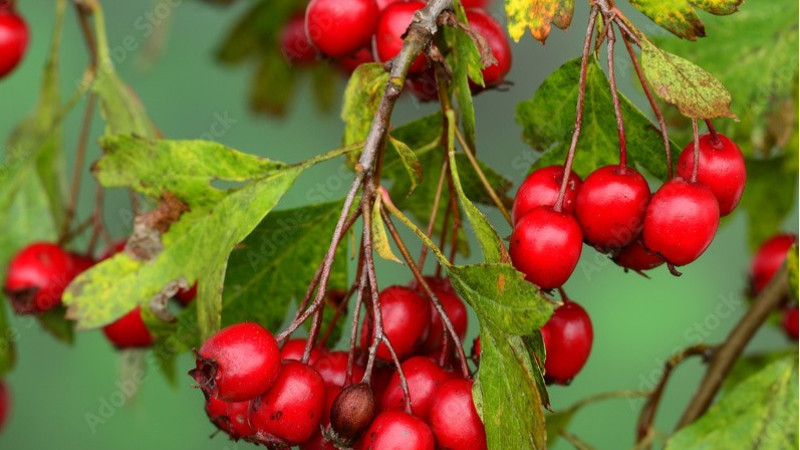
Hawthorn: An Odyssey of the Thorny Guardian from Botany to Modern Science (Part 1)
In the plant kingdom, few genera combine such botanical complexity, historical depth, and medicinal potential as the genus Crataegus, known as hawthorn. Although often perceived by the public simply as a common thorny shrub suitable for hedges, for botanists, it represents one of the greatest taxonomic challenges of the Northern Hemisphere, and for phytochemists, a fascinating natural laboratory.
“This 'bread and cheese tree,' as English farmers once called it while chewing its leaves to stave off hunger, is much more. It is an evolutionary masterpiece whose therapeutic power is now being confirmed by modern science.”
In the first part of our odyssey, we will delve into the botanical essence and chemical alchemy of this thorny guardian. We will reveal why it is so difficult to classify and what treasures are hidden in its leaves, flowers, and fruits.
1. A Botanical Portrait: The Tree of Strength with a Thousand Faces
Hawthorn belongs to the large rose family (Rosaceae), and its name is derived from the Greek word kratos (strength), referring to its extremely hard wood. It is a typical representative of the temperate zone of the Northern Hemisphere, with a center of diversity in the region from Turkey to Iran.
Why is hawthorn a taxonomist's nightmare?
Determining the exact number of hawthorn species is almost impossible. Estimates range from 200 to an incredible 1200. The reason is its "botanical anarchy":
- High Variability: You can find leaves of different shapes and sizes on a single tree.
- Easy Hybridization: The species cross-breed easily and frequently, creating countless intermediate forms.
- Polyploidy: Many species have multiple sets of chromosomes, leading to asexual reproduction by seed (apomixis) and the fixation of hybrid forms.
Despite the chaos, there are common features: they are deciduous shrubs or small trees with characteristic thorns, which are actually modified short shoots. The fruit is a pome, with colors varying from red and yellow to black.
2. Key Species You Should Know
From a biomedical perspective, the most important species are:
- Crataegus monogyna (Common Hawthorn) and C. laevigata (Midland Hawthorn): The most widespread European species, forming the basis of Western phytotherapy for cardiovascular diseases.
- Crataegus pinnatifida (Chinese Hawthorn): Has large fruits and is a key component of Traditional Chinese Medicine.
- Crataegus azarolus (Azarole Hawthorn): Cultivated for its tasty yellow fruits in the Mediterranean.
3. The Chemical Treasure Trove: What's Hidden in the Thorny Shrub?
The therapeutic power of hawthorn does not lie in a single "miracle" molecule, but in the perfect synergy of hundreds of bioactive compounds.
Polyphenols – The Dominant Guardians of Health
This is the most important and most studied group of substances.
- Flavonoids: Especially hyperoside, rutin, and vitexin. These compounds, abundant in the leaves and flowers, are key to hawthorn's protective effects.
- Procyanidins (OPCs): These are chains of catechins and epicatechins. They are responsible for many of the beneficial effects on the heart and blood vessels. Their content is highest in the flowers and young fruits.
- Phenolic Acids: Especially chlorogenic acid, a powerful antioxidant.
Which Part is Richest?
The composition varies: Leaves and flowers are richest in flavonoids (like vitexin), while the fruits contain more procyanidins and another important group of compounds—triterpenes.
Triterpenoids – The Power Hidden in the Fruit
Triterpene acids, especially ursolic acid and oleanolic acid, are known for their anti-inflammatory and anti-cancer properties. They are abundant in the peel and flesh of the fruit.
Lignans – A New Frontier of Research
Recent studies have revealed that hawthorn seeds, long considered waste, are a rich source of unique lignans. These substances exhibit strong antioxidant and anti-inflammatory effects, opening up entirely new possibilities for use.
Other Important Compounds
The chemical profile is completed by:
- Polysaccharides and Pectins: Support the immune system and digestion.
- Cardiotonic Amines: Substances like phenylethylamine and tyramine, which have a direct effect on heart activity.
- Vitamins and Minerals: The fruits contain Vitamin C and minerals like potassium and calcium.
Quick Overview of Bioactive Compounds
The Chemical Mosaic of Hawthorn
| Compound Group | Main Representatives | Richest Source? |
|---|---|---|
| Flavonoids | Hyperoside, Rutin, Vitexin | Leaves and Flowers |
| Procyanidins (OPCs) | Procyanidin B2, B5 | Fruits, Flowers |
| Triterpenes | Ursolic acid, Oleanolic acid | Fruits (Peel) |
| Lignans | Hawthornnins | Seeds |
Conclusion of Part 1
The phytochemical analysis of the genus Crataegus reveals a picture of extraordinary complexity. It is not a single "miracle" molecule that makes hawthorn so effective, but rather the synergy of hundreds of compounds. Flavonoids and procyanidins protect the heart, triterpenes fight inflammation, and newly discovered lignans open further chapters of research. In the next part of our guide, we will look at how this chemical alchemy translates into specific, science-backed health benefits.
Want to learn even more?
This article is just the beginning. If you want to dive deeper into the world of gardening, get exclusive tips, and access articles ahead of time, join our community!
Follow us on our Facebook page and always be one step ahead.
Were you surprised by the botanical and chemical complexity of hawthorn? Which of the active compounds do you find most interesting? Let us know in the comments!