












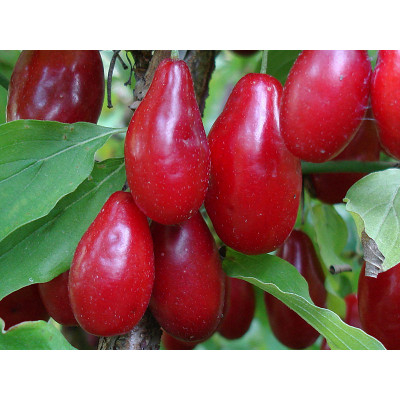





SCDP Bistriţa: 75 Years of Innovation in Romanian Fruit Growing
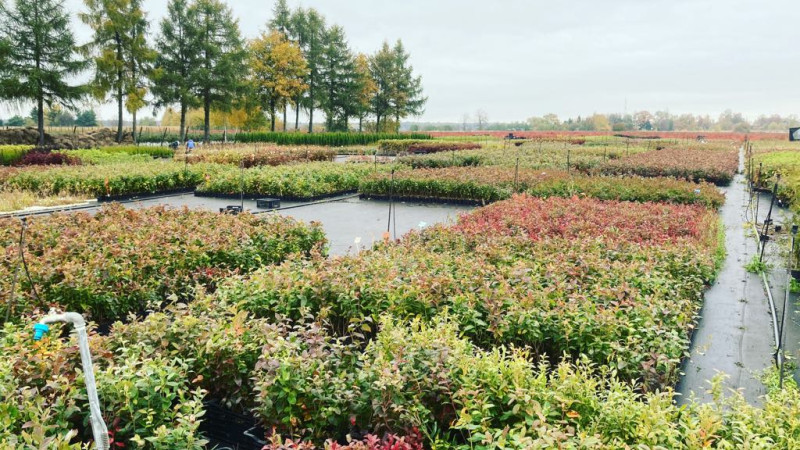
The Guardian of Transylvanian Orchards: The Story of 75 Years of Innovation at SCDP Bistriţa
In the northwestern part of Romania, amidst the picturesque Transylvanian landscape, resides an institution that has been shaping Central European fruit growing for three-quarters of a century. The Fruit Research and Development Station (SCDP) Bistriţa is not just a historical monument but primarily a dynamic center of biotechnological progress.
On the occasion of its 75th anniversary, we look at its journey from the post-war restoration of decimated orchards to current cutting-edge research in genetics and ecologically sustainable agriculture.
“SCDP Bistriţa may seem old, but it is still young – not only thanks to the trees that bloom every spring but thanks to the people who give value to Romanian research. It is the only station of its kind in all of Transylvania.”
From the Ruins of War to Scientific Excellence
The station was established on January 1, 1950, as a direct response to the devastation of agriculture during World War II. Fruit growing in northern Transylvania was in ruins and required systematic, scientifically grounded restoration. Under the leadership of the first director, Dr. Ioan Modoran, the history of an institution began, which managed to survive turbulent political changes, land restitutions, and economic transformation.
Development of Land Fund
- 1950: Started on 157 hectares.
- 1990: Peak expansion with 1,280 hectares.
- Present: Stabilized at 151 hectares, which is a critical minimum for maintaining research quality.
Present: Genetics and Viruses Under the Microscope
Today, SCDP Bistriţa is a key institution whose scope extends far beyond the boundaries of ordinary cultivation.
1. Breeding for the Future
The focus of work is creating new genotypes adapted to the specific conditions of northwestern Romania. The goal is not just high yield but primarily resilience. Researchers focus on varieties that survive climatic fluctuations and require fewer chemicals.
2. Virology Laboratory (The Jewel of the Station)
Virus-free Technologies
Established in 2003, this laboratory represents a technological pinnacle. It is equipped for molecular virus diagnostics (PCR methods) and the production of biological "virus-free" material. For the grower, this means the certainty that seedlings from this source are not infected with hidden diseases.
3. Ecological Sustainability
The station is a pioneer in introducing integrated pest management. It promotes methods that minimize pesticides and use natural balance in orchards. at the same time, it optimizes irrigation and fertilization to conserve water resources.
People: Four Generations of Experts
The strength of SCDP Bistriţa lies in continuity. Knowledge is passed down here not just through books but from generation to generation directly in the field.
| Generation | Period | Contribution |
|---|---|---|
| Pioneers | 1950 – 1970 | Founding and post-war restoration of orchards. |
| Builders | 1970 – 1990 | Development of large-scale production and technologies. |
| Transformers | 1990 – 2015 | Maintaining the station during difficult transformation. |
| Innovators | After 2017 | Young scientists, molecular biology, new challenges. |
Conclusion
SCDP Bistriţa is a beacon of expertise where the past, present, and future of European fruit growing harmoniously blend. Its work has a direct impact on the fruit we grow and eat. It is a guarantee that even in times of climate change, we will have healthy and resilient trees available.
Interested in the science behind fruit growing?
Join our community and gain access to expert information.
Follow us on Facebook ➤