

















Secrets of the Taiga: Discovering the Red Treasure Called Krasnika (Vaccinium praestans)
Secret of the Taiga: Unveiling the Red Treasure Known as Krasnika (Vaccinium praestans)
In the depths of the taiga and on the slopes of volcanoes in the Far East, a botanical gem has long escaped the world's wider attention. The locals know it as Krasnika (from the word for "red") or colloquially Klopovka (stink bug), but in the wider world, it's beginning to make a name for itself as Vaccinium praestans – the Kamchatka bilberry.
“This plant, often called the 'red gold of Kamchatka,' is a unique species that combines extreme resilience with fruits whose nutritional and chemical composition surpasses many better-known superfruits.”
Let's unveil the secrets of this mysterious beauty together, from its botanical nature to the molecular symphony hidden within its berries.
1. A Botanical Portrait: The Creeping Beauty of the Far East
Krasnika is a low-growing, deciduous subshrub from the heather family, just like our common blueberry or lingonberry. However, it is an endemic species of the Far East (Sakhalin, Kamchatka, Japan), perfectly adapted to harsh conditions.
- Growth Habit: It forms extensive, carpet-like colonies. Its strength lies in a creeping underground rhizome, which can reach lengths of up to 10 meters, connecting individual shrubs.
- Decorative Leaves: The leaves are unusually large for a Vaccinium, round, and change color throughout the year—from fresh green in spring, through dark green with a purple margin in summer, to a magnificent crimson-red in autumn.
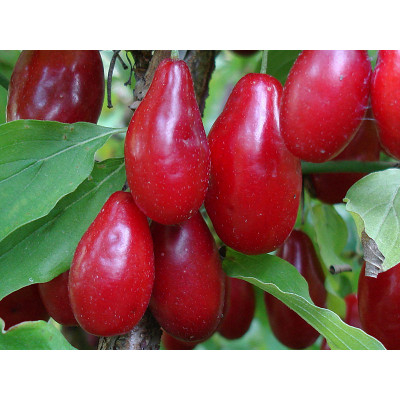
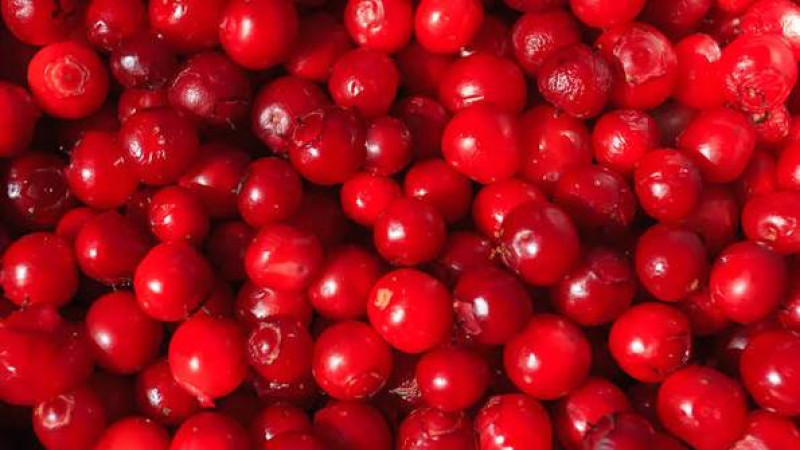
- Flowers and Berries: Small, bell-shaped white flowers transform into relatively large (up to 14 mm), glossy, bright red berries.
- Unique Taste and Aroma: The berries have a complex taste combining sweet, sour, bitter, and salty notes. Their most distinctive feature, however, is a specific, pungent aroma that earned the plant its controversial nickname "klopovka" (stink bug berry).
2. The Nutritional Treasure: What's Hidden in the Red Berries?
A detailed analysis shows that Krasnika is an exceptionally nutrient-dense food.
- Vitamin C: The content is phenomenal, ranging from 46 to an incredible 192 mg per 100 g, which places it at the absolute top of the fruit kingdom.
- Minerals: It is rich in potassium, calcium, and magnesium. However, it particularly stands out for its extremely high content of iron and manganese, making it a valuable supplement for preventing anemia.
- Organic Acids: The high acidity is due to a rich spectrum of acids, including the rare shikimic and fumaric acids. The presence of benzoic acid is key, acting as a powerful natural preservative that allows for long-term storage of products without artificial additives.
- Amino Acids: The berries contain 7 essential amino acids, with leucine, lysine, and valine being the most abundant.
3. The Chemical Arsenal: The Power of Polyphenols
The true secret to Krasnika's medicinal potential lies in its unique phytochemical profile.
- Anthocyanins: These red pigments are responsible for its powerful antioxidant effects. Unlike other berries in the Vaccinium genus, Krasnika is dominated by peonidin-3-O-galactoside, which makes up nearly a third of all anthocyanins.
- Catechins in Leaves: The leaves are an even more concentrated source of certain compounds. The content of epigallocatechin gallate (EGCG), famous from green tea, reaches enormous levels in Krasnika leaves (up to 37,300 mg/kg), making them an extremely promising raw material for the pharmaceutical industry.
- Flavonols and Phenolic Acids: The berries and leaves contain a broad spectrum of other antioxidants, such as quercetin, rutin, caffeic acid, and gallic acid.
Krasnika at a Glance: Why Is It So Special?
| Property | Significance | Why It Stands Out |
|---|---|---|
| Vitamin C | Immune support, potent antioxidant. | Up to 192 mg/100g, more than most fruits. |
| Natural Preservation | Long shelf life of products. | High content of benzoic acid. |
| Antioxidants in Leaves | Extreme pharmaceutical potential. | Enormous EGCG content, similar to green tea. |
| Minerals | Supports blood formation and metabolism. | Very high content of iron and manganese. |
Conclusion
Vaccinium praestans, the mysterious beauty from the Far East, is much more than just a botanical curiosity with a controversial aroma. It is a plant that combines ornamental value, extreme resilience, and fruits with a unique and exceptionally valuable composition. Its complex profile of bioactive compounds makes it the "red gold" of Kamchatka and a hot candidate for the superfruit of the future.
Want to learn even more?
This article is just the beginning. If you want to dive deeper into the world of gardening, get exclusive tips, and access articles ahead of time, join our community!
Follow us on our Facebook page and always be one step ahead.
Have you ever heard of Krasnika? Were you surprised by its incredible content of Vitamin C and other compounds? Let us know in the comments!