












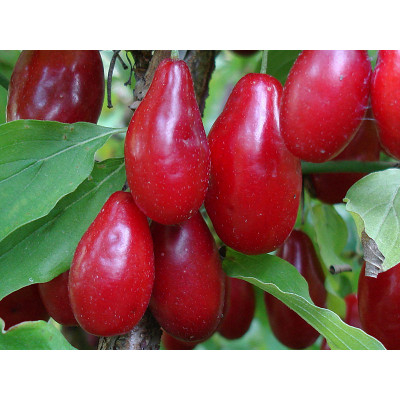





Golden Currant (Ribes aureum) & Northern Species: Botany & Chemistry
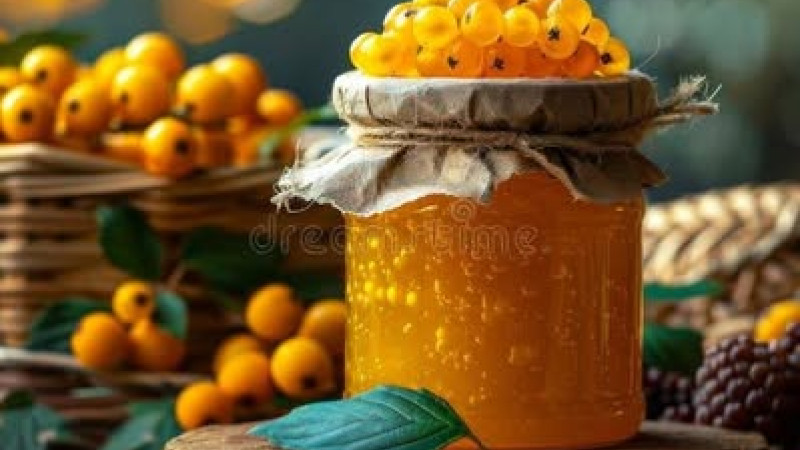
Golden Currant and Its Northern Relatives: Detailed Botanical and Phytochemical Profile
The genus Ribes L. (currant) includes hundreds of species, but while black and red currants are the stars of our gardens, the Golden Currant (Ribes aureum Pursh) has long stood in the shadow of scientific interest. This species, often perceived merely as an ornamental shrub or an indestructible rootstock, conceals immense biological potential.
Alongside it, less known but genetically invaluable species from the harsh conditions of the Far East—Ribes dikuscha, Ribes triste, and Ribes pauciflorum—deserve attention. Modern science is now revealing that these plants are not just "survivors" but complex biochemical factories. This article provides a synthesis of the latest findings on their botany, nutritional value, and surprising phytochemistry.
“Recent metabolome analyses have revealed substances in the Golden Currant that we wouldn't expect there—such as L-theanine, known from green tea, or rare naphthoquinones. These plants are the hope for functional foods of the future.”
Part 1: Botanical Profile and Adaptability
Golden Currant (Ribes aureum): A Dominant Force of Resilience
Originally from the mountainous regions of North America, it has spread worldwide thanks to its adaptability. In Turkey, it grows at altitudes above 1200 m, and in Uzbekistan, it ripens as early as late May.
- Growth: Deciduous shrub of smaller stature (1–3 m) without thorns. It has a massive root system reaching up to 2 meters deep, allowing it to survive extreme droughts.
- Leaves: Resembling gooseberry leaves, they are 3-lobed, thick, and turn a beautiful purple in autumn.
- Flowers: Its trademark feature—golden-yellow, fragrant, and arranged in long racemes.
Extreme Resilience
R. aureum is a champion of survival. It withstands frosts down to -60 °C (in its natural range) and thrives even on saline or eroded soils. It is ideal for landscape recultivation.
Northern Relatives from the Far East
Besides the Golden Currant, science is studying species from the extreme regions of Magadan and Kamchatka:
- Ribes dikuscha: A key species for breeding frost hardiness. Its berries are dark blue to black.
- Ribes triste (Swamp Red Currant): A circumpolar species with bright red berries.
- Ribes pauciflorum: A species interesting for its specific content of substances beneficial for heart health.
Part 2: Nutritional and Biochemical Treasure
While black currants are the kings of Vitamin C, Ribes aureum and its relatives offer a different but equally valuable mix of nutrients. Modern mass spectrometry methods have allowed us to peer into their chemical composition.
1. Sugars and Energy
Golden Currant berries are sweeter than red currants. Carbohydrate content reaches an average of 9.7% (some varieties up to 18%). Positively, over 90% of sugars are invert sugars with a predominance of fructose, which is advantageous for the glycemic index.
2. Vitamins and Carotenoids
Although the Vitamin C content is lower than that of black currants (approx. 20–45 mg/100 g), R. aureum compensates in other ways. It is specific for its high content of carotenoids and provitamin A, which are responsible for the yellow to orange coloration of some varieties.
A Surprise in Fats?
Yes, even fruit contains fats. Rare Omega-3 fatty acids (stearidonic and linolenic acid) have been identified in extracts of these currants, enhancing their nutritional value.
Part 3: Phytochemical Arsenal and New Discoveries
The most interesting findings came from a comparative study of the metabolome. Up to 205 bioactive compounds were identified in the four examined species.
Anthocyanins: Color That Heals
Each species has its own antioxidant "signature":
- R. aureum: Contains almost exclusively cyanidin derivatives. It lacks delphinidins, which is atypical for this genus.
- R. dikuscha: An absolute record holder in anthocyanin content (delphinidins, petunidins), giving it strong antioxidant potential.
Unique Discoveries: L-Theanine and Naphthoquinones
Science has revealed substances in these plants that we would not expect:
L-Theanine in Golden Currant
The amino acid L-theanine was detected in the fruits of R. aureum. This substance is known from green tea and has proven effects on reducing stress, anxiety, and improving sleep. Consuming Golden Currants may therefore also have relaxation benefits.
Comparison of Dominant Compounds
| Species | Dominant Component | Potential Benefit |
|---|---|---|
| R. aureum | Carotenoids, L-Theanine, Sugars | Vision, Relaxation, Energy |
| R. dikuscha | Anthocyanins (Delphinidin) | Strong antioxidant protection |
| R. pauciflorum | Flavan-3-ols (Catechins) | Cardiovascular health |
Conclusion
The Golden Currant and its relatives from the Taiga are no longer just "the other" currants. They are standalone candidates for modern medicine and nutrition. Their ability to survive in extreme conditions has translated into a unique chemical profile that offers us prevention against lifestyle diseases and even mental well-being.
Want to Know More About Botanical Rarities?
Join our community of plant lovers and get access to articles first.
Follow us on Facebook ➤