

















Analysis of hardy peaches: Sochnyj, Pamjat Shevchenko, and the rare Spura | Blog
Peaches Sochniy, Pamyat Shevchenka, and Spura: An Analysis of Hardy Varieties from the East
The world of Eastern European and Baltic breeding continues to reveal its treasures—this time from the world of velvety and juicy peaches. These varieties are the result of decades of work aimed at adapting heat-loving fruit to harsher climatic conditions. These are trees that combine excellent taste with a hardiness that many Western varieties can only dream of.
"Growing peaches in our climate is not about chance, but about choosing the right genetics. These varieties are proof that it can be done."
In this detailed analysis, we will look at three exceptional varieties: the legendary Russian 'Sochniy', the proven Ukrainian 'Pamyat Shevchenka', and the rare Baltic 'Spura'.
1. ‘Sochniy’ (Сочный)
'Sochniy' is an old and popular early Russian variety, prized for its low maintenance, high yield, good frost hardiness, and fruits with an excellent dessert flavor.
The name 'Sochniy' translates to "Juicy" and perfectly describes its main asset. It is a variety for gardeners who seek the taste of old times—exceptionally juicy and tender flesh with a harmonious sweet-tart flavor that simply melts in your mouth. It was bred in the famous Nikitsky Botanical Garden in Crimea as early as 1932, making it a proven classic. It stands out for its high frost hardiness (down to -25°C) and drought resistance, traits inherited from its hardy parents. It comes into bearing very early and provides regular and high yields. Its main weaknesses, typical of older varieties, are poor transportability and a stone that does not separate from the flesh (clingstone). However, for home gardens where the fruit is consumed fresh after picking, it is still an excellent choice.
Strengths and Weaknesses
- Strengths: High frost and drought resistance, excellent juicy taste, high and regular yield, self-fertile.
- Weaknesses: Clingstone (stone does not separate), poor transportability, tendency for fruit to drop when overripe.
Pomological Profile: ‘Sochniy’
- Ripening Time: Early (late July to early August)
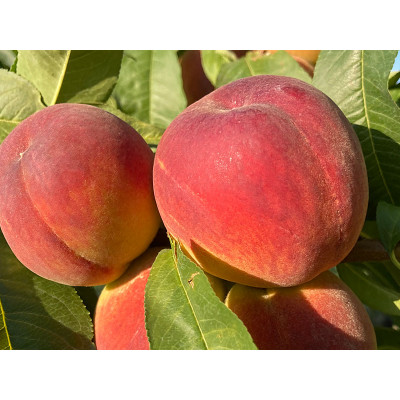
- Fruit: Medium-sized (120–160 g), round, creamy-green with a burgundy blush.
- Taste: Excellent, sweet-tart, extremely juicy.
- Yield: High and regular (60–90 kg/tree).
- Hardiness: High against frost and drought, moderately susceptible to shot hole disease.
2. ‘Pamyat Shevchenka’ (Память Шевченко)
'Pamyat Shevchenka' is a Ukrainian mid-season variety, valued for its high and stable yield, high frost hardiness, and fruits of excellent dessert quality with white flesh.
This variety is a symbol of reliability and quality. It represents the golden mean for growers seeking a balanced ratio of yield, hardiness, and taste. Compared to 'Sochniy', it brings several key improvements: the stone separates well from the flesh (freestone) and the fruits handle transport much better. 'Pamyat Shevchenka' is a proven variety, registered since 1977. It has high frost hardiness down to -27°C and good overall disease resistance, including moderate resistance to leaf curl, which reduces the need for intensive chemical protection.
Strengths and Weaknesses
- Strengths: High frost hardiness (-27°C), high and stable yield, excellent taste, freestone, good disease resistance.
- Weaknesses: May require basic protection against leaf curl.
Pomological Profile: ‘Pamyat Shevchenka’
- Ripening Time: Mid-season (second half of August)
- Fruit: Medium to large (100–150 g), oval, with white flesh.
- Taste: Excellent, harmonious, sweet-tart.
- Yield: High and stable (30–50 kg/tree).
- Hardiness: High against frost, medium against leaf curl.
3. ‘Spura’ – A Rare Baltic Treasure
'Spura' is a very productive and rare peach variety, prized for its large, firm, very juicy, and aromatic yellow-fleshed fruits. It is well-adapted to Baltic conditions.
'Spura' is an almost mythical figure in the world of peaches. Its exact origin is unknown, but it has proven itself in the harsh conditions of Estonia, which attests to its very good frost hardiness. Unlike the two previous varieties, it has yellow flesh, which many connoisseurs prefer for its specific aroma. The fruits are large, firm, and very sweet, making it attractive for both fresh consumption and processing. Its main challenge is a medium susceptibility to leaf curl, which requires regular preventive protection. Obtaining the true 'Spura' variety is very difficult, making it a real collector's item. We are proud to be able to offer you the genuine, verified 'Spura'.
Strengths and Weaknesses
- Strengths: Large yellow-fleshed fruits, very sweet and aromatic taste, very high yield, good frost hardiness.
- Weaknesses: Medium susceptibility to leaf curl requires protection, very hard to find.
Pomological Profile: ‘Spura’
- Ripening Time: Mid-season (first half of August)
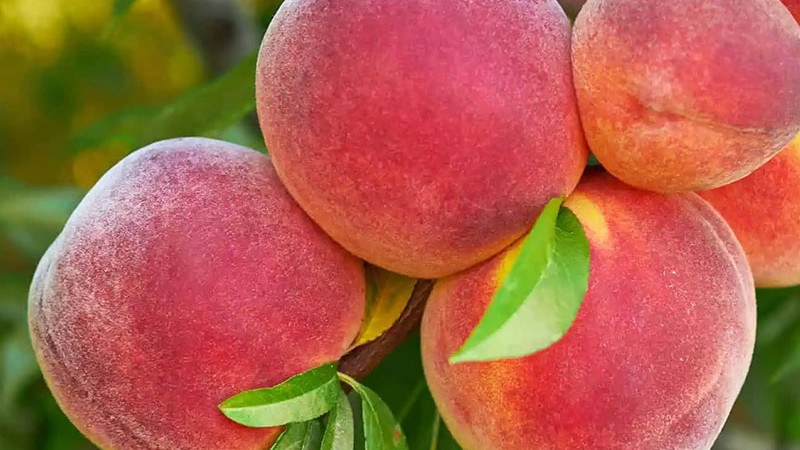
- Fruit: Large, round, yellow with a red blush.
- Taste: Very sweet, aromatic.
- Yield: Very high.
- Hardiness: Very good frost hardiness, moderately susceptible to leaf curl.
Variety Comparison at a Glance
Quick Guide for Decision-Making
| Variety | Stone Type | Frost Hardiness | Leaf Curl Resistance | Key Feature |
|---|---|---|---|---|
| Sochniy | ✗ (Clingstone) | High (-25°C) | Good | Extreme Juiciness |
| Pamyat Shevchenka | ✓ (Freestone) | High (-27°C) | Medium | Balance & Reliability |
| Spura | N/A | Very Good | Medium | Large Yellow-Fleshed Fruit |
Enjoy the Taste of Summer Even in Harsher Conditions
These varieties are proof that growing peaches is not exclusive to the warmest regions. With a little care and the right choice of genetics, you too can enjoy a bountiful harvest. Discover hardy fruit tree varieties in our selection and find the right one for your growing dreams. (The expected launch date for the sale of new peaches and other limited varieties is October 31, 2025.)
Which of these hardy peaches would be the best fit for your garden? Let us know in the comments!