






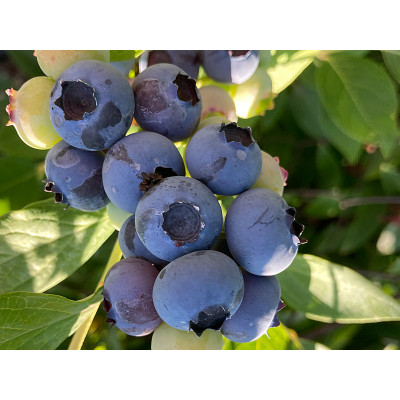












Southern highbush blueberries: Analysis of the Blue Ridge, Cape Fear, Cooper, and Gulfcoast varieties
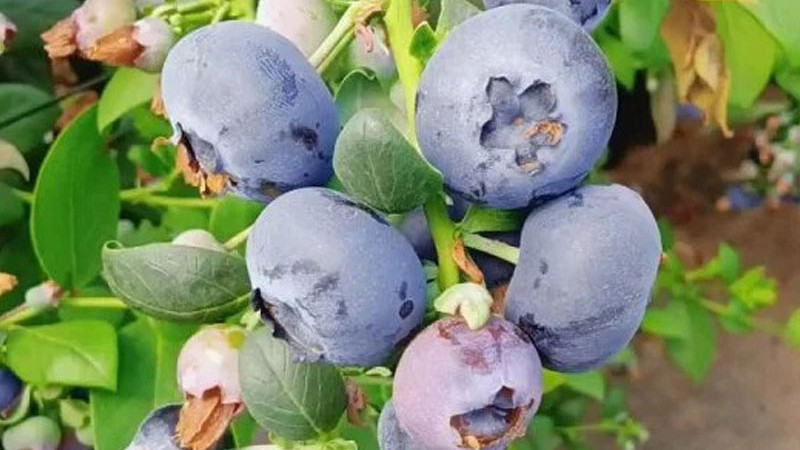
Southern Highbush Blueberries: An Analysis of the Blue Ridge Generation and Its Siblings
The world of blueberries is full of interesting varieties, each offering a unique story. In this installment, we will look into the "archives" of breeding and introduce an important, though now partially outdated, generation of Southern Highbush blueberries from the late 1980s and early 1990s.
"Analyzing older varieties reveals the typical compromises breeders faced in the past and shows how far we have come in terms of quality."
We present four important representatives of this era: Blue Ridge, Cape Fear, Cooper, and Gulfcoast.
The Duo from North Carolina: Flavor vs. Yield
These two sister varieties were bred for regions with medium chill requirements (500-600 hours) and represent a classic breeding compromise.
1. Blue Ridge
A variety focused on flavor quality, adapted to the conditions of the mid-southern USA.
Variety Profile: Blue Ridge
- Origin: 'Patriot' x US 74 (NCSU & USDA, 1990)
- Fruit: Medium to large, firm, with an excellent, distinctly tart flavor.
- Growth: Vigorous and very upright. Ripens in mid-season.
- Advantages: A unique flavor for lovers of less sweet blueberries.
- Disadvantages: A problematic picking scar that tears and reduces shelf life. Susceptible to some diseases.
2. Cape Fear
The sister variety of Blue Ridge, focused primarily on high production.
Variety Profile: Cape Fear
- Origin: US 75 x 'Patriot' (NCSU & USDA, 1990)
- Fruit: Very large, firm, with a good scar, but only average flavor.
- Growth: Very vigorous, highly productive. Ripens in the mid-early season.
- Advantages: Extraordinarily high yield and excellent resistance to stem blight.
- Disadvantages: Only average flavor and susceptibility to stem canker.
The Duo from the USDA: Compromises for Warmer Regions
These two varieties were intended for the warmer regions of the Gulf Coast but also struggled with compromises.
3. Cooper
A relatively average but reliable variety whose use was limited by higher chill requirements.
Variety Profile: Cooper
- Origin: G-180 x US75 (USDA, 1987)
- Fruit: Average size, firmness, and flavor—no outstanding strengths, but no major flaws either.
- Growth: Medium vigor and productivity. Flowers slightly later.
- Advantages: Slightly later flowering, which can help avoid frosts.
- Disadvantages: Higher chill requirement, making it unsuitable for the warmest regions.
4. Gulfcoast
The sister variety of Cooper, which had a crucial commercial flaw but found an unexpected application.
Variety Profile: Gulfcoast
- Origin: G-180 x US75 (USDA, 1987)
- Fruit: Average, with one major flaw—a wet picking scar that spoils quickly.
- Growth: Medium vigor. Flowers earlier than Cooper, making it more susceptible to frost.
- Advantages: The sole reason for its use—its flowering time perfectly matches the key variety 'Sharpblue', for which it serves as an effective pollinator.
- Disadvantages: The poor quality picking scar disqualifies it for the fresh fruit market.
Overview of Breeding Compromises
Flavor vs. Practicality
| Variety | Flavor Quality | Yield | Scar Quality |
|---|---|---|---|
| Blue Ridge | Excellent | Good | Poor |
| Cape Fear | Average | Excellent | Good |
| Cooper | Average | Average | Good |
| Gulfcoast | Average | Average | Poor |
The Future is Here: Discover Modern Varieties
The analysis of these older varieties shows us the enormous progress that has been made in breeding. Modern varieties no longer have to make so many compromises and offer excellent flavor, high yield, and great growing characteristics all in one. Discover modern and proven blueberry varieties in our selection and choose your favorite without compromise.
Did you know any of these older varieties? Let us know in the comments!
Related Products


