

















A brief manual for professionals: Targeted fertilization of blueberries for maximum yield
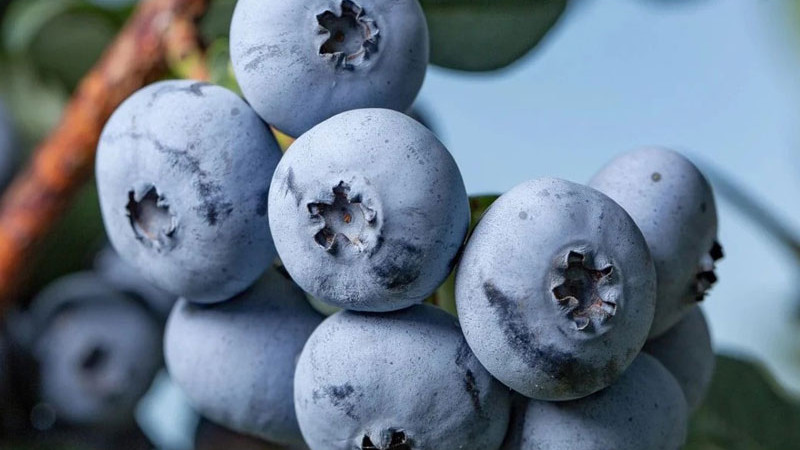
A Pro's Quick Guide: Targeted Blueberry Fertilizing for Maximum Results
Every blueberry grower dreams of strong plants and a bountiful harvest of large, sweet berries. The secret to success doesn't lie in miracle products, but in precisely timed and targeted nutrition that respects the plant's natural needs throughout the year. Forget all-purpose fertilizers and random applications.
“A professional approach is based on understanding that a blueberry has different needs in each phase of the season. The foundation consists of three simple, physiologically acidic fertilizers, each with an irreplaceable role.”
This quick guide will show you how to think about blueberry nutrition like a professional and how to achieve maximum results using three key fertilizers.
The Basic Toolkit: 3 Key Fertilizers
Forget complex combinations. The entire system is built on three basic, water-soluble fertilizers that are ideal for acid-loving blueberries.
- Ammonium Sulfate ((NH₄)₂SO₄): The Engine for Growth and Acidification
- NPK: 21-0-0 (+ 24% Sulfur)
- Role: Provides nitrogen for intensive leaf and shoot growth. Its biggest bonus is its strong acidifying effect on the substrate, which is vital for blueberries.
- Monoammonium Phosphate (NH₄H₂PO₄): The Foundation for Roots and Future Harvests
- NPK: 11-52-0
- Role: The extremely high phosphorus content promotes root growth, flower vitality, and most importantly, the formation of flower buds for the next season.
- Potassium Sulfate (K₂SO₄): Ripening and Resilience
- NPK: 0-0-50 (+ 18% Sulfur)
- Role: Potassium supports sugar formation in the fruit (improving taste), helps shoots to harden off (lignify), and increases the plant's frost hardiness.
The Strategic Plan: Fertilizing Blueberries Throughout the Year
The key is to apply the right fertilizer at the right time.
Phase 1: Waking Up & Laying the Foundation (February – April)
- Goal: Activate roots and support abundant flowering.
- Fertilizer: Monoammonium Phosphate. Phosphorus kick-starts the roots and provides energy for the flowers.
Phase 2: Vigorous Growth (April – early July)
- Goal: Strong growth of new shoots and leaves that will feed the fruit.
- Fertilizer: Ammonium Sulfate. Nitrogen is the fuel for green mass. It acidifies the substrate after winter.
Phase 3: Fruit Development and Ripening (June – July)
- Goal: Support the size, quality, and sweetness of the fruit.
- Fertilizer: Potassium Sulfate. Potassium is crucial for sugar formation and transporting nutrients into the berries.
Phase 4: The Key Step for Next Season (July – early August)
- Goal: Encourage the plant to start forming flower buds for next year. This is the most frequently neglected step!
- Fertilizer: Monoammonium Phosphate. A high dose of phosphorus signals the plant to invest in the future harvest.
Phase 5: Preparing for Winter (August – early September)
- Goal: Stop new growth, harden off shoots, and increase frost hardiness.
- Fertilizer: Potassium Sulfate. Potassium helps the plant strengthen its tissues and prepare for frost.
Important Warning
Do not use any nitrogen-based fertilizers from September onwards! Promoting new growth before winter would lead to the new, immature shoots being irreversibly damaged by frost.
Practical Summary and Pro Tips
Simplified Schedule:
- Spring: Phosphorus (roots, flowers) + Nitrogen (leaves).
- Summer: Potassium (fruit) + Phosphorus (future harvest).
- Autumn: Potassium (winterizing).
Tips from the Field:
- Less is more: Blueberries have delicate roots. Always start with lower doses than recommended on the package. Over-fertilizing can be fatal.
- Application: The safest method is to dissolve the fertilizers in water and apply as a liquid feed.
- If it ain't broke, don't fix it: If you have a proven fertilization system and your plants are thriving, stick with it.
- Synergy is key: There is no debate about whether organic or mineral fertilizer is better. The best approach is a synergy of both. Use mineral fertilizers strategically and supplement them with a quality organo-mineral fertilizer 1-2 times per season.
- Micronutrients: With a heavy fruit set, don't forget about micronutrients (iron, manganese, etc.). They are best applied in chelated form (e.g., Micromax), which is readily available to the plants.
My Simplified Schedule for Hobby Growers
If you don't want to invest in three different fertilizers, here is a compromise:
- Early Spring (March/April): 1x Ammonium Sulfate.
- During the Season (May/June): 1-2x a quality organo-mineral fertilizer for blueberries.
- Late Summer (August): 1x Potassium Sulfate.
- For an extreme harvest: Add micronutrients (Micromax) as needed.
By following these principles, you will not only meet the plant's current needs but will actively manage its development to achieve its maximum potential, long-term health, and a bountiful harvest every year.
Information on the amount of fertilizer to apply can be found in this article.
Want to learn even more?
This article is just the beginning. If you want to dive deeper into the world of gardening, get exclusive tips, and access articles ahead of time, join our community!
Follow us on our Facebook page and always be one step ahead.
What fertilizing system do you use? Do you focus on individual nutrients, or do you prefer complex fertilizers? Share your experiences in the comments!