


Cart

Quince (Cydonia oblonga) LESKOVAC
Quince (Cydonia oblonga) LESKOVAC - Tutifruti SK
Quince (Cydonia oblonga) LESKOVAC
Specifications
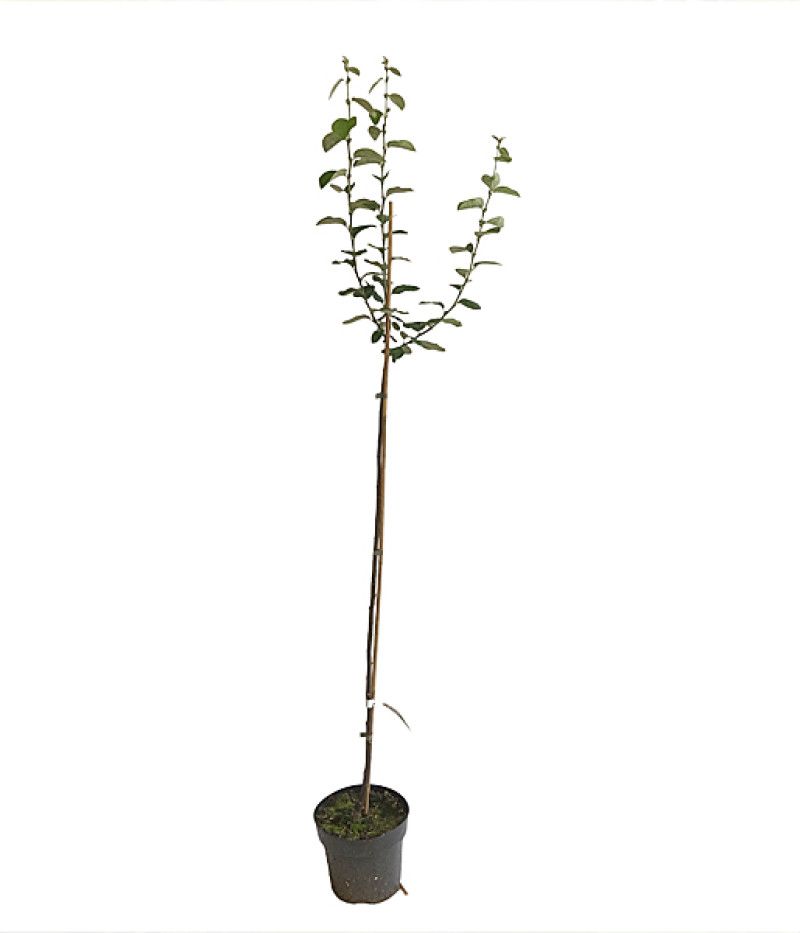
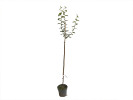
Height at sale160cm
Pot6l
RootstockDula S1
Sell as2 year old
The standard delivery time is 2-5 working days.(except for goods "On request")
We send goods on Monday, Tuesday, Wednesday, by agreement also Thursday or Friday.
Price
32,50€
Ex Tax: 32,50€
  • Stock: In Stock
  • Model: Cydonia oblonga
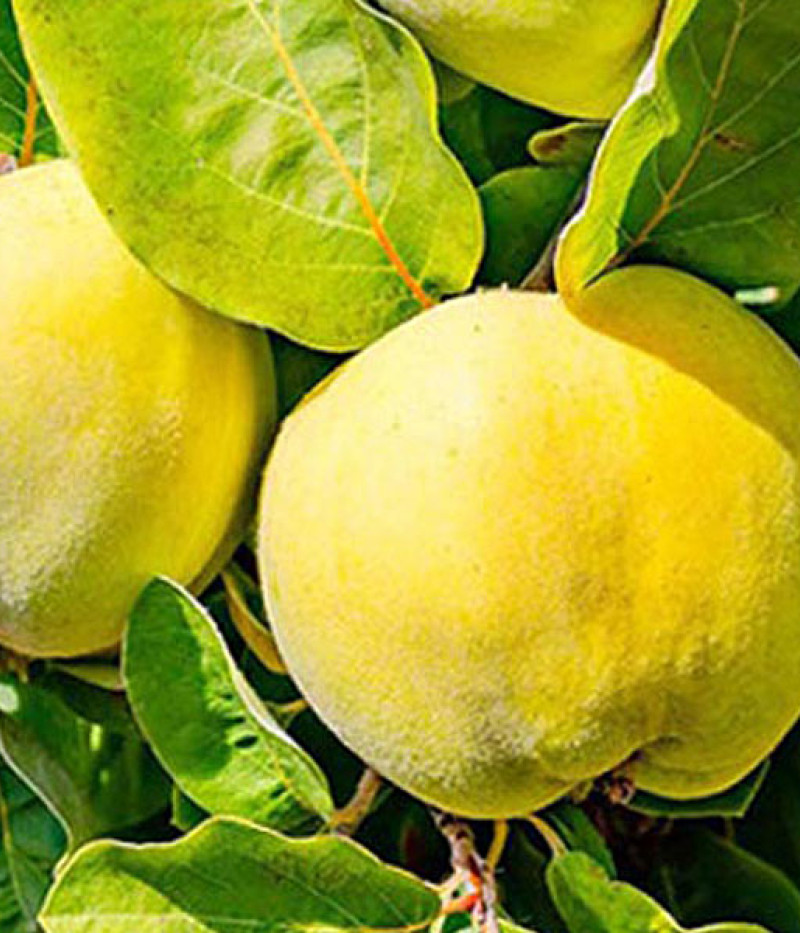
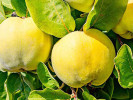
The Leskovac quince (Cydora oblonga 'Leskovac') is interesting because of the shape of its fruit. They resemble more of an apple, they do not have the familiar pear shape. They are coloured yellow to a hint of gold. Because of its high pectin content, it is a popular fruit ideal for thick marmalades and jams. A tree of medium growth forms a rounded crown. It comes into bearing early. The flowers, which bloom in late May, have a light pink tinge. Despite its resemblance to an apple, it retains its distinctive size and the light to white coating typical of quince. 
Quince as a fruit species
The quince, still known in the villages and also referred to as gdula, guna or bijalma, is a fruit similar to apples, more similar in shape to pears, although in their considerably larger version. It has a harder flesh and the fruit is considerably larger. It requires knife work for processing. It has a much longer shelf life than other fruits. They have a distinctive pleasant aroma that grandmothers used in their cupboards. They kept the quince fruit in an accessible place on shelves and among clothes, also to brighten up the interior of the wardrobe and clothing. They also acted as a moth repellent.  
Although quinces were originally a common species in our gardens, today they are considered a rather unusual fruit. In the past, quinces were a common part of vineyards and in even more ancient times they were a traditional part of Mediterranean cultures. Its Latin and Greek name derives from the name 'Kydonian apple' after the port of Kydonia on the island of Crete. The fruit of the quince is high in potassium and vitamin C, and the fruit can be used in the preparation of fruit jams, marmalades and cakes, but it is also a sought-after source for the production of fruit spirits with a distinctive flavour and brandy. They are popular in baby foods, for example in combination with other fruit, but especially in compotes in which quince is cut into smaller, oblong pieces. They are not used for direct consumption in this country because of their higher tannin content.
Properties of quinces: 
- Quince is also used as an ornamental plant because of its spherical, mouldable crown and beautiful dark green leaves with fine felting on the underside. 
- A hardy fruiting fruit tree suitable for organic cultivation without chemical intervention
- Yield can be above expectations
- Do not store fruit with pears and apples, which can take on the aroma of quince
- Fruit and leaves may have a hint of white 'hairy' coating, which is a sign of normal growth of the tree, leaves and fruit and is not a sign of any disease
- After harvesting, they are left to rest, which gives them a different aroma and flesh characteristics than when they are cut and processed directly from the tree. 
- It is a hard fruit which is not normally directly edible from the tree. 
- Late spring frosts do not damage the tree and its flowers.
- In Portugal it is called marmelo precisely because it is a popular fruit for making marmalades. They are pleasantly aromatic and tasty. Its high sugar and pectin content makes it ideal for this type of processing
- They are also used to produce quality fruit brandy and liqueurs
- They contain potassium
Growing quince and storing the fruit
Caring for quince is relatively simple. It does not require any major differences from the cultivation of ordinary apple and pear trees, the closest relatives. It does not suffer significantly from diseases and pests. Any difficulties can be dealt with using the same preparations as for apple trees. The ideal location is sunny, warm. It is therefore particularly suited to the southern regions of Slovakia. The ideal soil is humid, moist. Standard garden soil will do. The tree is hardy and also self-pollinating. A pollinator is not necessary for a successful variety, but may be an advantage. 
The different varieties of quince have identical characteristics - beautiful large leaves and fruit, initially green, gradually growing, changing colour to pale yellow. Only exceptionally, depending on the variety, shades of light orange appear. The fruits are formed from distinctive white flowers. They gradually gain weight after the petals have faded. It is advisable to wean the young tree from the fruit so that the branches are not overloaded. Such a young tree may require support. Therefore, watch the gradual growth and rate of bending of the branches, or take the fruit during May and June, when it is clear to the grower what to expect as it ripens. Quince can surprise in both volume of total fruit weight and size. Some growers advise harvesting the quince after the first frosts, while many recommendations are not to wait for the first frosts and to store the fruit in early October, once it has reached a bright yellow colour and is a suitable size. Store in crates, stacked individually, on straw or placed directly on shelves. It is not advisable to stack them on top of each other and rub them, as this can speed up the process of ageing or rotting (as with apples). 

Write a review

Note: HTML is not translated!
Rating
Bad Good
The 'Remo' apple tree is a German variety bred in Dresden-Pillnitz in 1974. This variety is known for its high disease resistance and high quality fru..
Price
25,00€
Ex Tax:25,00€
Add to Cart