










Limited pears with excellent resistance: Analysis of the 'Vilma', 'Pepi' and 'Suvenīrs' varieties
Limited Edition Pears with Excellent Hardiness: An Analysis of 'Vilma', 'Pepi', and 'Suvenīrs'
Breeding work in the Baltics is a story of fighting against a harsh climate. The results, however, are varieties that are true treasures for our conditions. They are characterized by extraordinary frost hardiness and resistance that is often on a much higher level than we are used to. This is no accident, but the result of decades of patient selection.
"Baltic breeding is not just about survival; it's the art of combining uncompromising hardiness with a delicate and sweet flavor."
In this detailed analysis, we will look at three unique and limited pear varieties – the Latvian 'Vilma' and 'Suvenīrs', and the Estonian 'Pepi'. We will find out why these varieties are such a valuable part of the assortment for any discerning gardener.
1. Analysis of the 'Vilma' Variety
'Vilma' is a very early Latvian summer pear variety that brings the first harvest of the season. It is characterized by an early onset of bearing, high yield, and juicy, melting flesh without stone cells.
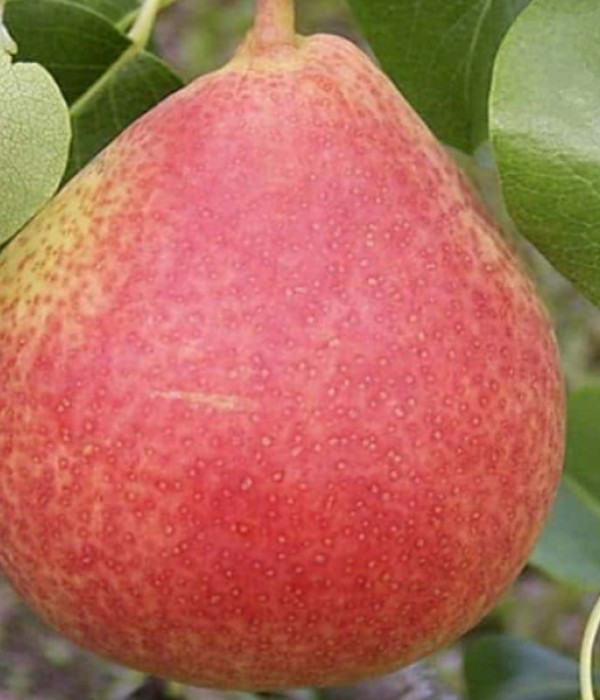
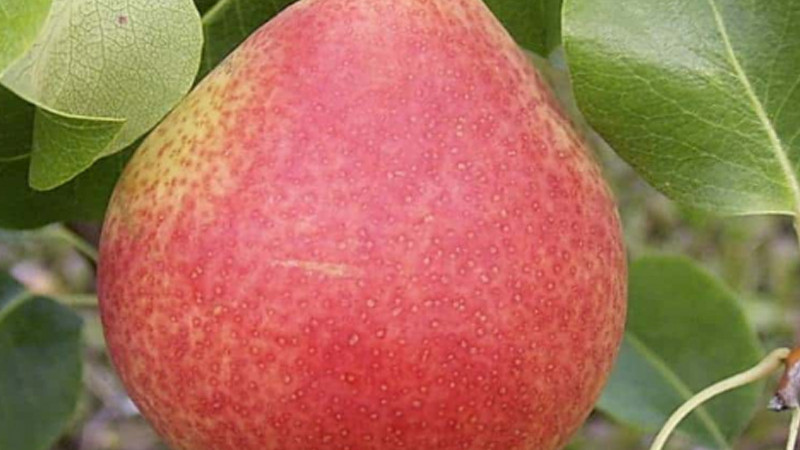
'Vilma' is a dream come true for impatient growers. Its greatest triumph is its extreme earliness – it ripens at the turn of July and August, making it one of the first pears you can pick in the garden. The fruits are medium-sized but visually very attractive thanks to a bright red blush on a yellow background. Its flesh is its second strong point – it is fine-grained, soft, juicy, and without any disruptive sclereids (stone cells), which guarantees a perfect eating experience. The taste is described as excellent every year. Due to its very high productivity, the branches tend to bend under the weight of the fruit, a sign of its fruitfulness. The fruits are intended exclusively for fresh consumption as their storage life is practically zero.
Strengths and Weaknesses
- Strengths: Extremely early ripening, high frost hardiness and good disease resistance, excellent flavor and texture of the flesh without stone cells.
- Weaknesses: No storage life for the fruit.
Pomological Profile: 'Vilma'
- Origin: Latvia, 2008 (‘Mālnava No. 31’ × ‘Clapp’s Favourite’)
- Ripening Time: Late July to early August
- Fruit: Medium-sized, yellow with a red blush.
- Flesh: Fine, juicy, melting, without stone cells.
- Taste: Sweet, excellent.
- Hardiness: High frost hardiness, good against scab and rot.
2. Analysis of the 'Pepi' Variety
'Pepi' is an Estonian autumn variety, prized especially for its ability of parthenocarpic fruiting, i.e., producing fruit without pollination. This makes it an ideal choice for home gardens where there isn't space for multiple trees.
Parthenocarpy is a rare and extremely valuable trait in the world of pears. Thanks to it, 'Pepi' can produce a crop even in years when adverse weather during flowering prevents insect pollination. Fruits that develop without pollination (parthenocarpically) are elongated and seedless. Conversely, if pollination occurs, the fruits are classic-oval and contain seeds. The tree has weak but upright growth, making it suitable for smaller spaces. It excels in frost hardiness, but its scab resistance is only moderate, so an airy location is recommended. The fruits are sweet, with a melting flesh almost without stone cells, ideal for fresh consumption and baby food.
Note: Many different varieties are sold under the name 'Pepi' on the market, but our offer will exclusively include the genuine, verified Estonian variety.
Strengths and Weaknesses
- Strengths: Ability to produce fruit without pollination (parthenocarpy), excellent frost hardiness, early onset of bearing.
- Weaknesses: Medium resistance to scab.
Pomological Profile: 'Pepi'
- Origin: Estonia, 1998
- Ripening Time: Mid-September
- Fruit: Medium-sized (50–70 g), variable shape.
- Taste: Sweet, melting flesh.
- Pollination: Parthenocarpic (does not require a pollinator).
- Hardiness: Excellent frost hardiness, medium resistance to scab.
3. Analysis of the 'Suvenīrs' Variety
'Suvenīrs' is a very valuable Latvian autumn variety, considered unsurpassed due to its stable and excellent sweet taste, which is independent of the weather in a given year.
If you are looking for a pear whose taste will never disappoint, 'Suvenīrs' is the answer. Its greatest asset is its incredible flavor stability. Whether the summer is cool and rainy or hot and sunny, it always manages to produce enough sugar and deliver fruit with an excellent, typically pear-like, and sweet taste. The tree is self-fertile and extremely productive. This high fruit set is also its only "weakness" – it requires thorough manual fruit thinning. Without it, the fruits remain smaller. However, if you provide this care, it will reward you with medium to very large fruits with a top-quality, buttery, melting flesh without sclereids. Its resistance to frost and diseases is at a very good level.
Strengths and Weaknesses
- Strengths: Stable and excellent sweet taste every year, fully frost hardy, good disease resistance, self-fertile.
- Weaknesses: Manual fruit thinning is essential to achieve good size.
Pomological Profile: 'Suvenīrs'
- Origin: Latvia, 1968 (‘Sēklaudzis No. 9’ × ‘Clapp’s Favourite’)
- Ripening Time: September
- Fruit: Medium to very large (after thinning).
- Taste: Excellent, sweet, and stable.
- Pollination: Self-fertile.
- Hardiness: Fully frost hardy, good disease resistance.
Variety Comparison at a Glance
Quick Guide for Decision-Making
| Variety | Ripening | Frost Hardiness | Pollination | Key Feature |
|---|---|---|---|---|
| Vilma | Very Early | High | Cross-pollinated | First of the Season |
| Pepi | Mid-Season | Excellent | Parthenocarpic | Harvest without Pollinator |
| Suvenīrs | Mid-Season | High | Self-fertile | Stable Taste Every Year |
The Treasures of the North in Your Garden
These unique and highly resilient varieties are proof that the boundaries of cultivation are constantly being pushed. They bring reliability and flavor to every garden facing the challenges of a harsher climate, ready to enrich your table with unique fruits. Discover these and other gems in our limited selection of Baltic pear varieties.
Which of these Baltic pear varieties has caught your eye the most? Let us know in the comments!
Related Products