












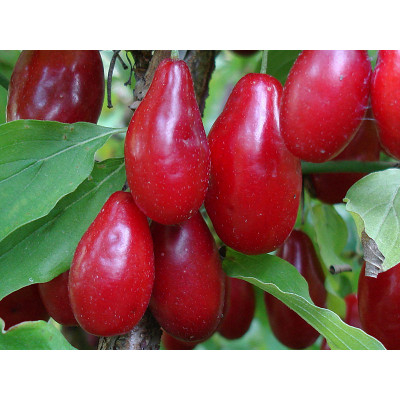





Introducing four top apple varieties (Part 2) – Bolotovskoye, Chistotel, Hanfu, and Imrus
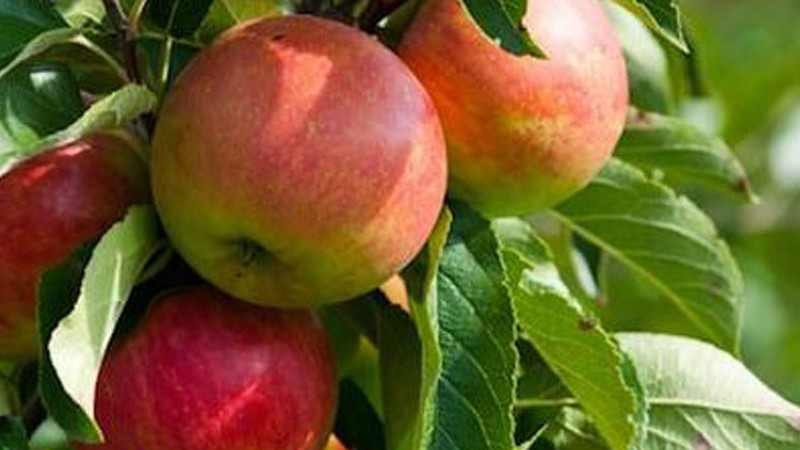
Apple Trees (Part 2): Hanfu & Other Champions of Resistance and Flavor
We continue our exploration of the world of apple trees that are changing the game. In the second part, we focus on varieties that are synonymous with modern breeding. Their common denominator is genetic resistance to scab (the Vf gene), which makes them ideal candidates for organic and trouble-free cultivation.
"These varieties prove that high resistance does not have to come at the expense of taste, fruit size, or yield."
We introduce four top-tier varieties—Bolotovskoye, Chistotel, Hanfu, and Imrus—created for the 21st century to satisfy the demands of both gardeners and professional growers.
1. Bolotovskoye
A modern Russian winter variety that is gaining favor due to its reliability, high yield, and attractive fruit. It is a typical "low-maintenance" apple tree for chemical-free growing.
Variety Profile: Bolotovskoye
- Origin: Russia (VNIISPK, 2002)
- Ripening Time: Winter (harvest in early September)
- Fruit: Large (150–160 g), oblate, with an attractive red blush.
- Taste: Aromatic, balanced, tart-sweet (sugar 10.5%).
- Storability: Until mid-February.
- Hardiness: Immune to scab (Vf gene), good resistance to powdery mildew, high frost hardiness.
Key Features: A reliable harvest of high market quality, ideal for fresh eating and storage.
2. Chistotel
As the name ("Clean") suggests, Chistotel stays "clean"—free of diseases. This winter variety is not only extremely resistant but also nutritionally valuable due to its exceptionally high Vitamin C content.
Variety Profile: Chistotel
- Origin: Russia (complex hybrid)
- Ripening Time: Winter (harvest at the end of September)
- Fruit: Large (150–180 g), round, with a burgundy-red blush.
- Taste: Refreshing, tart-sweet with a delicate aroma.
- Nutritional Value: High Vitamin C content (up to 22.5 mg/100 g).
- Hardiness: Absolute immunity to scab (Vf gene), high resistance to powdery mildew and frost.
Key Features: A vitamin powerhouse to boost immunity during the winter, ideal for organic cultivation.
3. Hanfu (3M)
A modern Chinese variety that combines the traits every fruit grower dreams of: self-fertility, extremely large fruits, excellent taste, and phenomenal storability.
Variety Profile: Hanfu
- Origin: China ('Dongguang' x 'Fuji', 1978)
- Ripening Time: Winter (harvest in mid-October)
- Fruit: Huge (average 250 g, max up to 520 g), bright red.
- Flesh: Extremely crisp, firm, juicy, and fragrant.
- Taste: Perfectly harmonious, reminiscent of 'Fuji'.
- Storability: Phenomenal, in a cellar until May.
- Hardiness: Resistant to scab (Vf gene), high frost hardiness.
Key Features: A self-fertile, large-fruited, and extremely long-storing all-rounder.
4. Imrus
Another successful resistant variety from Russia that has proven itself not only in gardens but also in intensive commercial orchards due to its high and regular yields.
Variety Profile: Imrus
- Origin: Russia ('Antonovka' x hybrid, 1996)
- Ripening Time: Winter (harvest in mid-September)
- Fruit: Medium-sized (approx. 150 g), oblate, with a crimson blush.
- Taste: Pleasantly aromatic, perfectly harmonious sweet-tart.
- Storability: Until the end of February.
- Hardiness: Complete immunity to scab (Vf gene), good resistance to powdery mildew and frost.
Key Features: A reliable dessert apple for autumn and winter consumption, ideal for both commercial orchards and home gardens.
Variety Comparison at a Glance
Quick Overview for Decision-Making
| Variety | Resistance (Vf) | Fruit Size | Storability | Key Feature |
|---|---|---|---|---|
| Bolotovskoye | ✓ | Large | until II. | Reliability |
| Chistotel | ✓ | Large | until II. | High Vitamin C |
| Hanfu | ✓ | Huge | until V. | Self-fertile |
| Imrus | ✓ | Medium | until II. | High Yield |
The Future in Your Garden
Growing these varieties brings not only a harvest to your garden but also certainty and less work. These are trees created for the modern gardener who values both quality and their time. Discover modern and resistant apple varieties in our selection and find your favorite.
Which of these resistant varieties has caught your eye the most? Let us know in the comments!
Related Products
