




































































Apricots: The Golden Fruit Full of Vitamins and Antioxidants
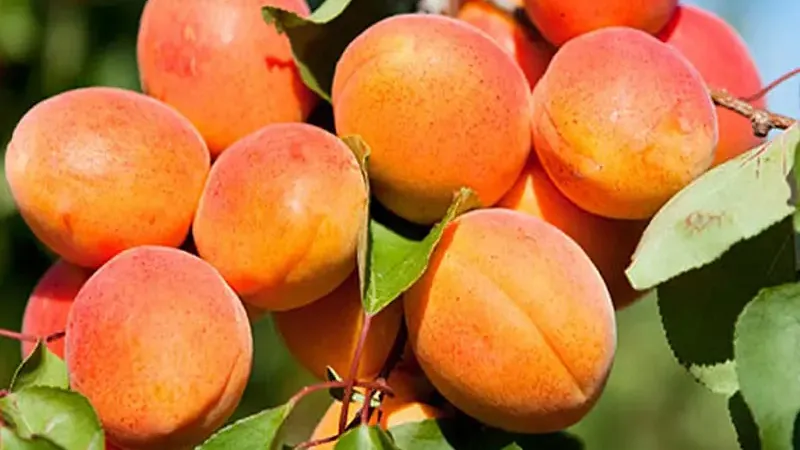
Summer Superfood: The Hidden Power of Apricots
Vitamins, minerals, dietary fiber, and antioxidants in a single fruit. Discover what happens in your body after eating this golden fruit.
When we think of summer, many of us immediately recall the unmistakable sweet and sour aroma and the velvety touch of a fresh apricot. However, this fruit, poetically called the "golden egg of the sun" by ancient inhabitants of the dry and harsh regions of Asia, is much more than just a tasty seasonal refreshment.
At a time when modern nutrition science is constantly looking for functional foods capable of preventing lifestyle diseases, the apricot (Prunus armeniaca L.) emerges as a subtle but incredibly powerful hero. Based on the latest scientific findings, this article will guide you through the complex nutritional profile of apricots and reveal why this fruit should form the foundation of your summer diet.
Choosing a variety is just the beginning of the story. What happens next — in the body of the person eating the fruit — is an equally fascinating science. Thanks to their extraordinary nutritional and healing properties, apricots have earned the title of the "golden fruit" in scientific circles.
Nutritional Anatomy: A Low-Calorie Powerhouse
Apricots represent a perfect compromise for those looking for a sweet taste while watching their figure. They are characterized by a low energy value but an extreme density of essential nutrients. One hundred grams of fresh apricots provide the body with only 48 calories, with water being the dominant component.
Composition of 100 g of fresh apricots
| Water | 86.35 % |
| Carbohydrates (sugars and fiber) | 11.12 % |
| Proteins and Fats | < 2.00 % |
Values are approximate depending on the variety and ripeness level of the fruit.
← Swipe sideways →
If we look at the dry matter (after removing water), the apricot becomes an even more prominent reservoir of nutrients – it contains more than 60% sugars, 8% protein, 11.5% crude fiber, and 4% minerals.
Vitamin and Mineral Arsenal
What makes the apricot a true superfood is its micronutrient profile. It is an excellent source of both water-soluble and fat-soluble vitamins. It contains vitamin E, vitamin K, and a broad spectrum of B vitamins (folic acid, pyridoxine, thiamine). The absolute king of minerals in apricots is potassium.
| Key Nutrient | Content per 100 g | Main Benefit for the Body |
|---|---|---|
| Vitamin C | 15.5 mg | Collagen production, immunity, antioxidant |
| Vitamin A (Beta-carotene) | 1 926 IU | Retina protection and improved night vision |
| Potassium | 259 mg | Blood pressure regulation, muscle function |
| Selenium | 0.1 μg (trace) | Metabolism support and cellular protection |
← Swipe the table sideways →
Fighters Against Chronic Diseases
The Hidden Power of Antioxidants and Processing
Apricots are equipped with an exceptionally rich arsenal of phytochemicals – polyphenols and flavonoids (especially chlorogenic acid), which literally trap dangerous free radicals and protect DNA from oxidative stress. Clinical studies are even investigating their impact on protecting the brain from Alzheimer's disease and protecting the liver.
Unlike some vitamins, minerals (such as potassium) are heat resistant. However, they have another weakness: they are highly soluble in water.
Careful When Boiling Apricots in Water
During long boiling in large amounts of water, potassium transfers massively into the boiling liquid. Losses can exceed half of the original content. Therefore, to preserve minerals, drying, baking, or consuming the cooking liquid is ideal.
| Risk of Potassium Loss when Boiling without Consuming the Broth | over 50 % |
| Low loss (drying / baking) | High loss (boiling in water) |
← Swipe sideways →
Quick Guide: Getting the Most Out of Apricots
Consume them fresh – this way you get the maximum vitamin C.
Eat them with the skin – it contains a large amount of fiber to support digestion.
Dried apricots are an extremely concentrated source of potassium.
Avoid long boiling in large amounts of water (unless you drink the juice).
The apricot is not just a fruit; it is a complex package of bioactive substances, vitamins, minerals, and fiber mixed in perfect proportion by nature. Every bite of this "golden egg of the sun" supplies your body with an army of antioxidants.
Discover everything about apricots!
This was just a fraction of the amazing facts from our exclusive guide. You can read a complete overview of apricots, detailed growing advice, and other scientific facts in our comprehensive e-book.
Buy the Apricot E-book
Grow your own "golden fruit"In our e-shop, you will find a wide selection of modern, tasty, and hardy apricot varieties. Plant your own tree and enjoy a flood of vitamins right from your garden. Browse apricot varieties |
Join fruit-growing enthusiastsExchange growing experiences, ask about varieties, and share your harvest in our Facebook community full of enthusiastic gardeners, discuss with experts, and get early access to articles. Join us on Facebook |