































Gooseberries Don’t Have to Be Green: 16 Varieties in Pink, Amber and Near-Black
Colourful Gooseberries: 16 Varieties from Emerald Green to Nearly Black
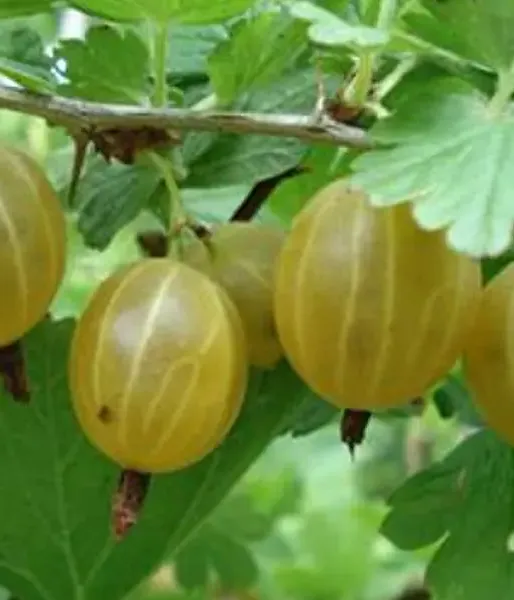
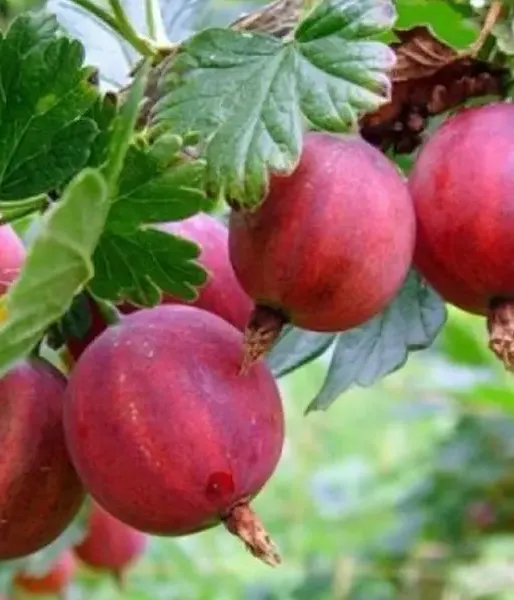
An edible rainbow for your garden – gooseberry varieties by fruit colour, from glowing amber to nearly black
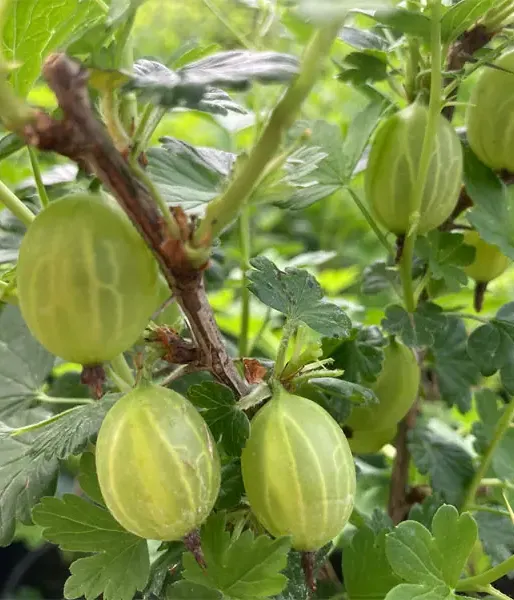
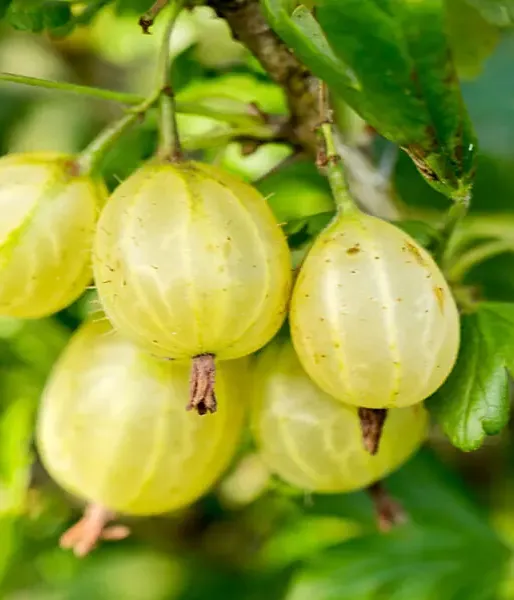
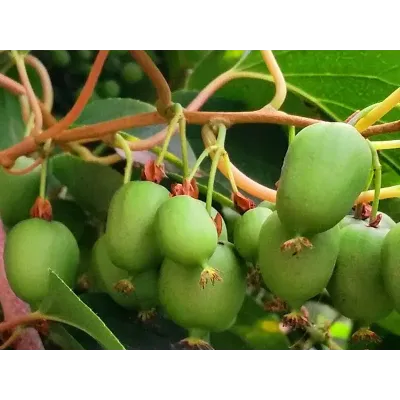
Say “gooseberry” and most of us picture the classic green berry. A modern garden, however, should be more than a place of hard work and harvest – it should also be a pleasure to look at. Did you know that, thanks to breeders in Russia, Belarus and Latvia, you can turn gooseberry bushes into a genuine edible rainbow? Varieties from this part of Europe offer exceptional winter hardiness and good disease resistance, along with a remarkable range of colours.
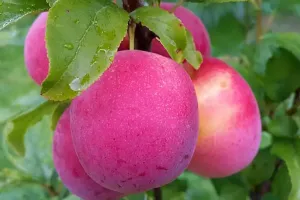
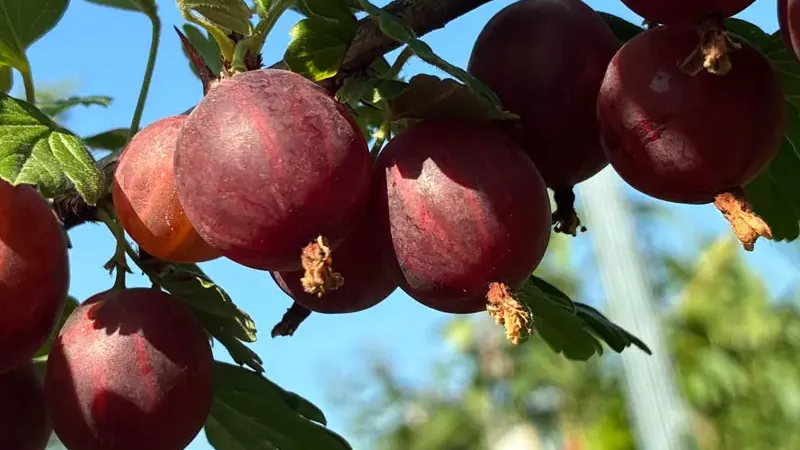
Picture the scene: on one bush, translucent pink berries sparkle in the sun; next to it, bright yellow amber fruits glow; another bush is covered in velvety red gooseberries; and the whole composition is completed by exotic-looking, nearly black fruits.
In this expert guide you will find the most beautiful and highest-quality gooseberry varieties, sorted strictly by fruit colour. Turn your fruit garden into a work of art!
16 varieties in the guide | 4 colour groups | 3 countries of breeding | 14% sugar in Belorusskiy Sakharnyy |
← Swipe the table sideways →
Note: fruit colour changes as the fruit ripens
In the varieties Yantarnyy, Masheka and Chernoslivovyy, the fruit colour develops considerably during ripening. Yantarnyy is light green when unripe, Masheka orange-red and Chernoslivovyy dark red. Judge the final colour only at full ripeness.
Taste and sweetness in numbers
The variety descriptions contain two measurable figures: the taste rating of Uralskiy Izumrud and the sugar content of Belorusskiy Sakharnyy.
Figures from the variety descriptions
| Uralskiy Izumrud – taste rating | 5 / 5 |
Scale range: 0 – 5 points
| Belorusskiy Sakharnyy – sugar content | up to 14% |
Scale range: 0 – 20% sugar (approximate)
← Swipe sideways →
The scales are approximate. Each has its own range, so they cannot be compared with each other.
Quick guide by colour
| Green and emerald | Uralskiy Izumrud, Malakhit, Maija, Belorusskiy Sakharnyy | |
| Yellow, amber and orange | Kuršu dzintars, Zolotistyy, Yantarnyy, Lielās dzeltenās | |
| Pink, red and brick | Tukuma Konfekšu, Masheka, Krasnoslavyanskiy, Konfetnyy | |
| Purple and nearly black | Chernyy Negus, Chernoslivovyy, Grushenka, Severnyy Kapitan |
← Swipe the table sideways →
Conclusion
Planting gooseberries in different colours is not just a matter of looks. It also has a practical justification that will show in your harvest.
Although many gooseberry varieties are self-fertile, they only realise their full potential with cross-pollination.
– according to researchers from Russian and Latvian institutes
Planting tip
If you plant, for example, the yellow Kuršu dzintars, the brick-red Masheka and the green Uralskiy Izumrud side by side, bees and other pollinators will carry pollen between the different varieties. Cross-pollination can bring a higher and more stable yield, as well as larger, better-quality fruits.
Forget monotonous green. Choose from this colourful palette of varieties and create an edible rainbow in your garden. You will enjoy not only the colours but also a rich harvest of sweet, healthy fruit.
Gooseberries for your garden Browse the gooseberries in our e-shop and start composing your own colourful garden – from green through yellow and red to dark varieties. Go to the e-shop | Join us on Facebook Exchange growing experience, ask about varieties and share your harvest on our Facebook page, full of enthusiastic fruit growers. Talk to experts and be the first to get access to new articles. Visit our Facebook page |
Related Products