

































New Hybrid Plums 2026: Alyonushka, Kubanskaya Kometa & Soneika

Russian and Belarusian Jewels: Introducing Hybrid Plums 'Alyonushka', 'Kubanskaya Kometa', and 'Soneika'
For the Spring 2026 season (expected sale May/June), we focused on a category that is becoming increasingly popular in our regions – hybrid, Russian, or Siberian plums. These varieties are the result of crossing the Chinese plum, cherry plum, and other species, with the aim of creating trees that survive harsh winters yet produce fruit of dessert quality.
“These plums combine the resilience of wild species with the taste of noble fruit. They are ideal for growers in colder regions, but also for those who want fruit ripening at a different time than classic plums.”
1. 'Alyonushka': The Compact Beauty
This Russian variety is the work of breeders A. F. Kolesnikova and G. B. Zhdanova. It originated from crossing ‘Kitayanka’ x ‘Krasny shar’ and is an ideal choice for small gardens thanks to its low growth.
Ornamental and Useful
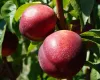
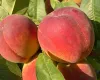
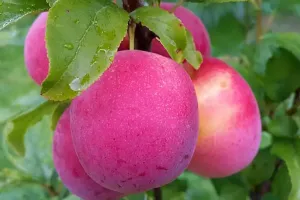
The tree only grows to a height of 2–2.5 meters. It blooms very abundantly and decoratively, making it a jewel of the spring garden. The fruits are large (35–40 g), round, and red. The flesh is orange, fine, and very juicy.
Taste Experience
In tasting tests, it received a high score of 4.6 out of 5 points. The taste is pleasant, harmoniously sweet-sour. The fruits are versatile – great for eating, but also for freezing and processing.
Cultivation: It is cross-pollinated (needs another hybrid plum as a pollinator) and has medium wood frost hardiness, but high resistance of flower buds.
2. 'Kubanskaya Kometa' (Kuban Comet): A Legend Among Hybrids
If you are looking for certainty, 'Kubanskaya Kometa' is the right choice. Bred in Crimea by crossing the Chinese plum and cherry plum, it has become one of the most widespread varieties in Russia thanks to its incredible adaptability.
Record Harvest
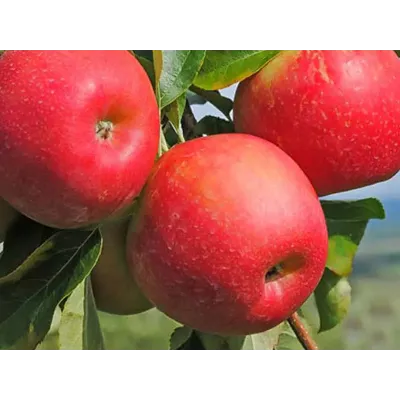
This tree is literally a fruit factory. Yields are high and regular; a mature tree can produce up to 100 kg of fruit. The fruits are large (30 g), red with yellow flesh. The taste is very good, again rated at 4.6 points.
Indestructible
It is highly frost-hardy and resistant to fungal diseases. The fruits do not crack and do not drop when overripe, which is a great advantage for gradual harvesting. It is partially self-fertile, which increases yield reliability even in worse weather.
3. 'Soneika' (Sunshine): The Golden Treasure from Belarus
From the Belarusian Institute of Fruit Growing comes the variety 'Soneika'. Its name translates to "Sunshine," and that's exactly what its fruits look like.
Huge Yellow Fruits
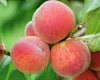
It ripens late (end of August). The fruits are very large (40–45 g), round, and golden-yellow with a delicate pink blush. The flesh is orange-yellow, firm, juicy, and aromatic.
Health and Efficiency
The tree grows weakly (approx. 2.5 m) but bears abundantly (up to 40 kg). It enters bearing extremely early – already in the 2nd or 3rd year after planting. It is highly resistant to frost and diseases, especially shot-hole disease.
Note: It is cross-pollinated, and the stone separates harder from the flesh, which is a typical feature of many hybrid plums, but is balanced by the excellent taste.
Big Comparison: Which One to Choose?
| Feature | Alyonushka | Kubanskaya Kometa | Soneika |
|---|---|---|---|
| Ripening | Mid-August | July (Early) | End of August |
| Color | Red | Red | Golden-yellow |
| Fruit Size | 35-40 g | 30 g | 40-45 g |
| Pollination | Cross-pollinated | Partially self-fertile | Cross-pollinated |
Conclusion
These three varieties prove that world-class fruit can be grown even in harsh conditions. Whether you bet on the visual beauty of 'Soneika', the extreme fertility of 'Kubanskaya Kometa', or the compactness of 'Alyonushka', you get a tree that won't let you down even in a freezing winter.
Expected Sale Date: May/June 2026
Check out our stone fruit selection ➤
Be ready for the 2026 season!
We priority send information about new stock from the East to our followers.
Follow us on Facebook ➤
Related Products
