





Cart

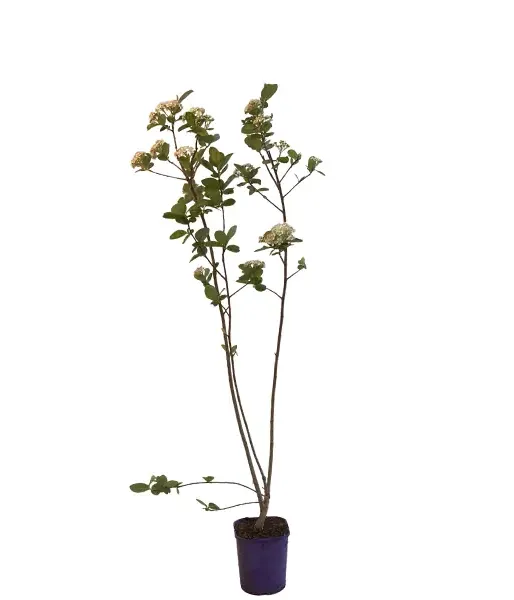
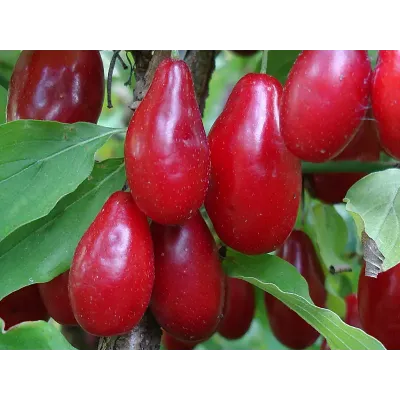
Red Oleaster (elaeagnus umbellata) POINTILLA® AMBER®
Red Oleaster (elaeagnus umbellata) POINTILLA® AMBER®
New
Red Oleaster (elaeagnus umbellata) POINTILLA® AMBER®
Specifications
Height at sale50cm
PotC2
Sell as2 year old
Ripening timeSeptember/October
The standard delivery time is 2-5 working days.(except for goods "On request")
We send goods on Monday, Tuesday, Wednesday, by agreement also Thursday or Friday.
Price
28.90€
Ex Tax: 23.50€
  • Stock: In Stock
  • Model: Elaeagnus umbellata

Autumn Olive (Goumi) - Variety 'Pointilla® Amber®'

'Pointilla® Amber' is a modern, highly decorative, and productive variety of autumn olive that brings unconventional yellow-orange fruits to gardens. It is part of the innovative 'Pointilla®' series introduced to the market by the well-known Swiss breeding and nursery company Lubera® (trademark owner).


Autumn Olive 'Pointilla® Amber®'

This undemanding, drought-tolerant shrub not only provides delicious fruit full of vitamins, but thanks to its ability to fix atmospheric nitrogen, it also acts as a natural soil improver.

Main advantages of the variety:

  • Unconventional, highly decorative yellow-orange fruit color.
  • Fresh, sweet-tart taste and high vitamin content.
  • Absolute undemandingness to soil and high drought resistance.
  • Improves soil quality (fixes nitrogen).
  • High frost resistance.
  • Intensely fragrant flowers (excellent bee forage plant).
  • Ideal for free-growing hedges and windbreaks.
Origin and Breeding
  • Botanical classification: Autumn olive (Elaeagnus umbellata). Also known as Goumi, Japanese Goumi, or Korean silver berry.
  • Origin of species: East Asia (Japan, Korea, China), where it has historically been grown as a utility plant and soil-ameliorating shrub.
  • Registration: 'Pointilla®' is a registered trademark of the Swiss company Lubera®, which groups selected, large-fruited, and tasty varieties of autumn olive under this name (besides the yellow 'Amber', there are also red varieties like 'Amoroso' or 'Sweet'n'sour').
Detailed variety description: Shrub and Growth
  • Vigor: Medium to strong. At maturity, it reaches a height of 2 to 4 meters.
  • Habit: Spreading, dense shrub. The leaves are characteristically silvery on the underside, giving the plant a high ornamental value.
  • Blooming: Blooms in spring (May/June) with tiny, pale yellow to cream flowers. The flowers are extremely fragrant and are a massive attraction for bees and other pollinators.
  • Pollination: The variety is cross-pollinated (or only very weakly self-pollinated). To achieve a good and abundant yield, it is strongly recommended to plant at least 2 plants (ideally different varieties from the Pointilla® series).
Fruits
  • Size and shape: Tiny, spherical to slightly oval berries (resembling currants in size).
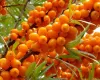
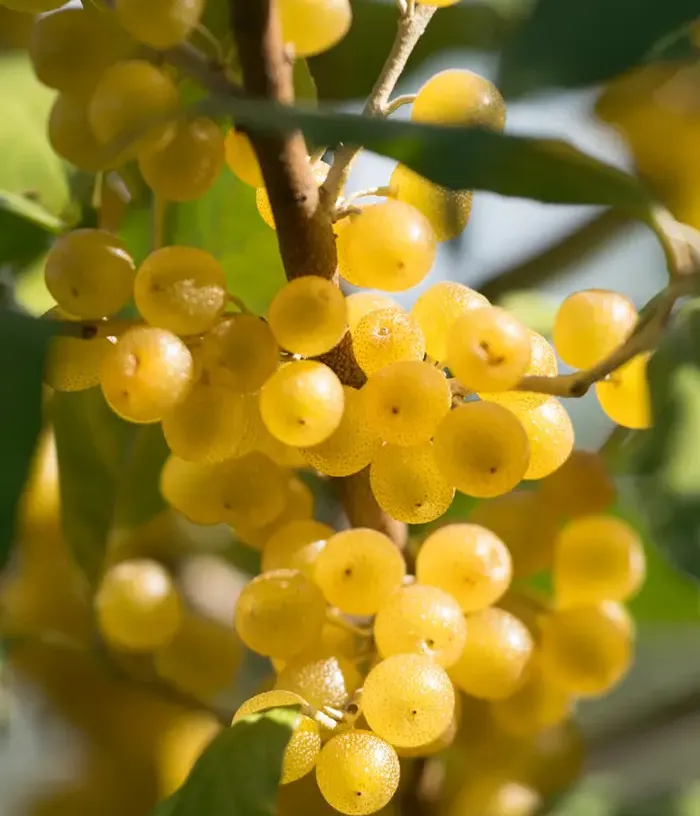
  • Color: Attractive yellow-orange (unlike common red varieties). The surface of the berries is dotted with tiny silvery specks (hence the name of the "Pointilla" series).
  • Taste: Fresh, sweet-tart. At full maturity, the taste is very pleasant, fruity, with a mild astringency that disappears once fully ripe.
  • Composition: The fruits are exceptionally rich in vitamins (especially vitamin C, A, E), antioxidants, and lycopene.
Cultivation properties and characteristics
  • Phenology:
    • Ripening: Late summer to autumn variety. Fruits typically ripen in September to October. Tip: For the best (sweetest) taste, it is important to let the fruits ripen completely on the shrub until they feel soft to the touch.
    • Use: Versatile. Excellent for direct fresh consumption, but also for processing – making jams, jellies, juices, and fruit wine.
  • Resistance and requirements:
    • Frost resistance: Excellent. It is a fully frost-hardy perennial.
    • Soil and drought: Extremely undemanding. It tolerates drought exceptionally well and thrives even in poor, sandy, or stony soils. However, good permeability is required.
    • Location: Thrives best in full sun to partial shade.
    • Ecological function (Soil improver): Thanks to symbiosis with bacteria on its roots, it can fix atmospheric nitrogen and enrich the soil with it, thereby helping neighboring plants as well.
    • Use in the garden: Thanks to its dense growth and wind resistance, it is ideal for creating free-growing hedges or windbreaks.

Drawbacks of the variety:

  • Cross-pollination (requires planting at least 2 plants for a good crop).
  • Fruits are smaller (harvesting is more labor-intensive).
  • Prematurely harvested fruits are tart (require patience for ripening).
  • Vigorous growth may require regular pruning in small gardens.

Write a review

Note: HTML is not translated!
Rating
Bad Good
reCAPTCHA verification failed! Please try again.
Brand: Tutifruti
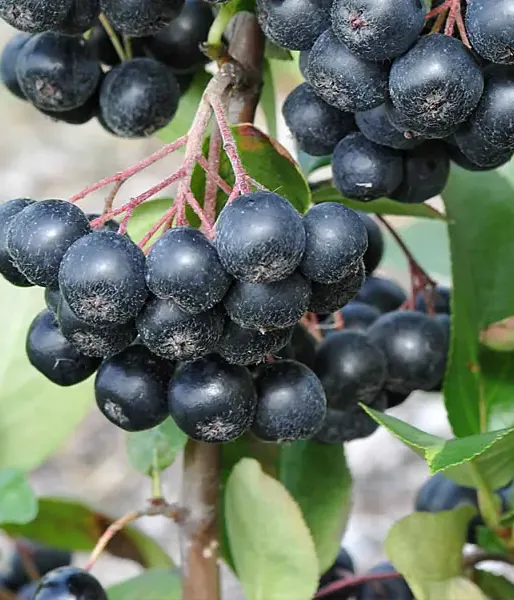
The black chokeberry VIKING is one of the interesting, lesser-known fruits that is suitable for our conditions. It comes from Finland. It has a high c..
Price
11.90€
Ex Tax:9.67€
Add to Cart
Brand: Tutifruti
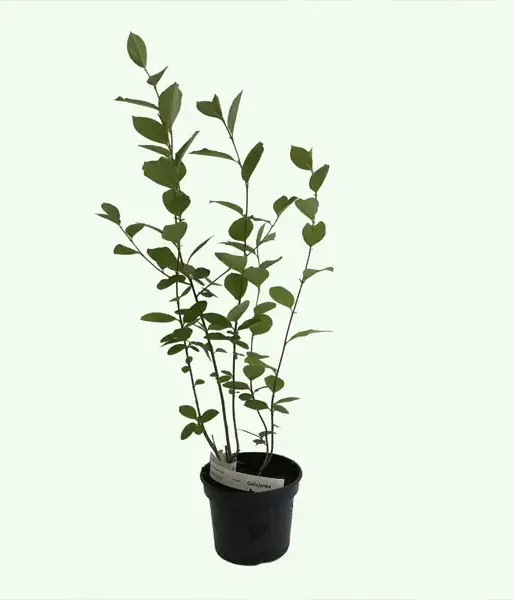
The black chokeberry is one of the interesting lesser-known fruits that is suitable for our conditions. It is native to North America, but the Nero va..
Price
9.90€
Ex Tax:8.05€
Add to Cart