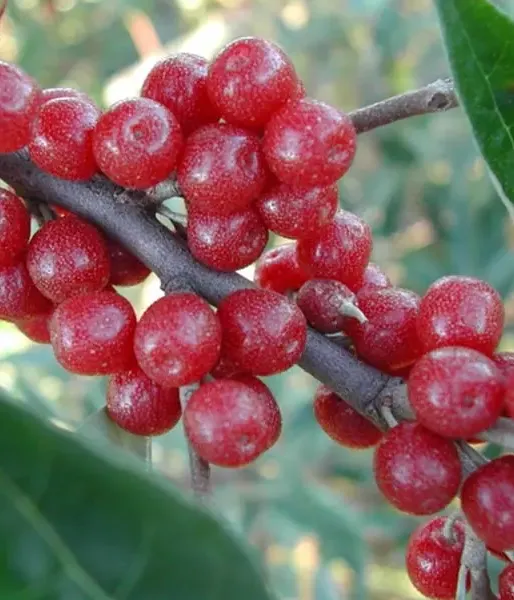


















































Elaeagnus: Odyssey of the Silver Treasure (Part 2 – Science and Modern Use)

Elaeagnus: An Odyssey of the Silver Treasure (Part 2 – Science and Modern Use)
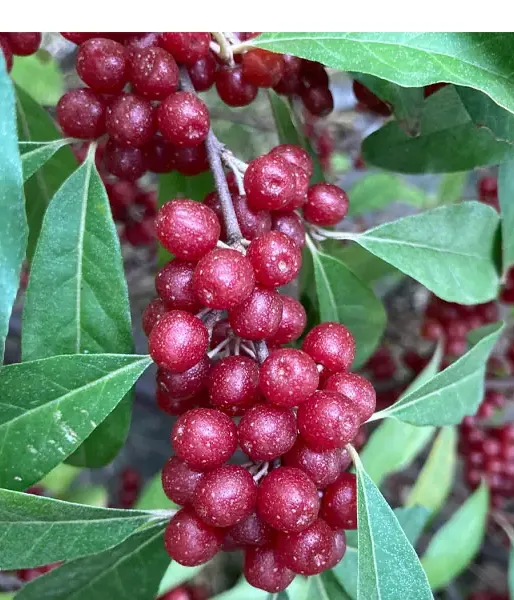
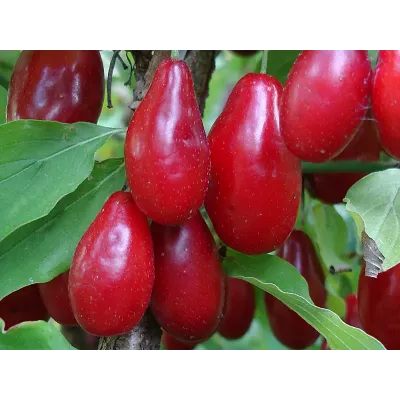
In the first part of our guide, we unveiled the botanical and chemical essence of the genus Elaeagnus. We discovered that this silver shrub is a botanical unique and its fruits, especially the red varieties, are literally packed with lycopene. Today, we will move from molecules to the specific effects on human health.
“What was once the empirical knowledge of traditional medicine is now being confirmed by modern science. Elaeagnus is not just an ornamental shrub; it is a sophisticated bioreactor that produces substances capable of intervening in key processes in our bodies.”
In the second and final part of our odyssey, we will trace the journey of the bioactive compounds of Elaeagnus from the plant to their potential therapeutic targets and look at its promising future.
1. A Molecular Symphony of Health: Scientifically Proven Benefits
Pharmacological research reveals that Elaeagnus is a natural pharmacy with an exceptionally broad scope.
Antioxidant Power: The First Line of Defense
At the core of most benefits is its phenomenal antioxidant activity.
- Mechanism: Extracts from the fruits and leaves effectively neutralize free radicals thanks to their high content of lycopene, flavonoids, and vitamin C.
- The Power of Lycopene: Lycopene, which can be up to 18 times more concentrated in E. umbellata berries than in tomatoes, is ten times more effective at “quenching” certain types of free radicals than vitamin E.
Anti-Cancer Potential
This is one of the most promising areas of research. Elaeagnus extract and its components have been shown to:
- Inhibit Cancer Cell Growth: Laboratory studies have confirmed the ability to stop the proliferation of human leukemia, lung, and colon cancer cells.
- Induce Apoptosis: They can trigger programmed cell death in tumor cells.
- Ellagic Acid: This substance, present in the fruit, may even enhance the effectiveness of conventional anti-cancer drugs.
Anti-diabetic and Anti-obesity Effects
Elaeagnus is emerging as a promising aid in the fight against metabolic syndrome.
- Slows Digestion of Sugars and Fats: The fruit extract inhibits key digestive enzymes (α-amylase, α-glucosidase, pancreatic lipase). This leads to slower absorption of glucose and fats, which helps stabilize blood sugar levels after meals and may contribute to the prevention of obesity.
Anti-inflammatory and Pain-Relieving Effects
- Pain Relief: An extract from the fruit of E. angustifolia showed significant pain-relieving effects in animal experiments, comparable to non-steroidal anti-inflammatory drugs.
- Muscle Relaxation: Extracts from the seeds exhibited muscle-relaxant effects comparable to diazepam.
Other Significant Effects
- Brain Protection (Neuroprotection): Compounds from Elaeagnus can inhibit enzymes associated with Alzheimer's disease.
- Antimicrobial Activity: Extracts are effective against a wide range of bacteria, including Staphylococcus aureus and E. coli.
- Liver Protection: Antioxidants protect liver cells from damage.
2. Rebirth in the Kitchen and Industry
The potential of Elaeagnus does not end in the laboratory. Innovations are opening up new applications:
- Functional Foods: Powder from the berries can be added to baked goods or yogurts to increase their lycopene and fiber content.
- Natural Additives: Thanks to antioxidants, extracts can serve as natural preservatives in meat products. The red pigments are also an ideal natural food coloring.
- Nutricosmetics: Due to its ability to protect the skin from UV radiation, Elaeagnus extracts are becoming an interesting ingredient in "beauty from within" products.
- Fermented Products: Experiments with fermenting the berries are underway, which may further increase their antioxidant activity.
3. An Ecological Hero with a Question Mark
Thanks to its ability to fix nitrogen and its drought resistance, Elaeagnus is an ideal plant for:
- Reclamation of degraded and saline soils.
- Agroforestry systems (windbreaks).
- Urban greenery (resistance to air pollution).
The only challenge is its invasive potential. Species like E. angustifolia and E. umbellata are spreading uncontrollably in some regions. The future, therefore, belongs to the breeding of non-invasive cultivars.
Conclusion and Future Outlook
Elaeagnus has come a long way from an overlooked "weed" to a recognized source of bioactive compounds. Its extraordinary pharmacological and nutritional potential predestines it to become a key crop of the future in the fight against modern diseases. The future will bring not only new functional foods based on its fruits but likely also standardized phytopharmaceuticals. It is time for this "silver shrub" to move from the edges of gardens to the center of our attention.
Discover the Silver Treasure!
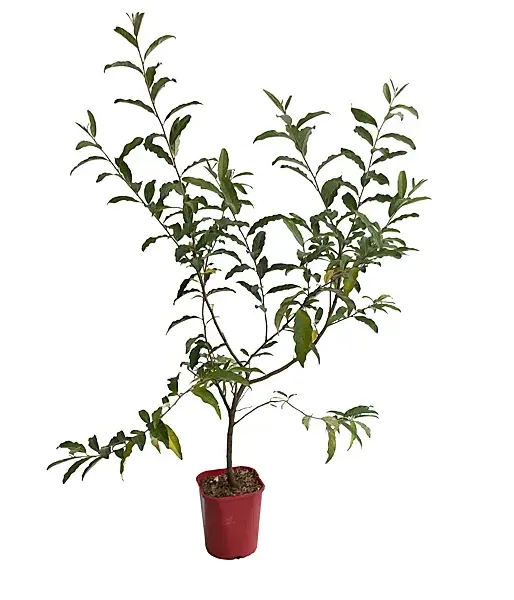
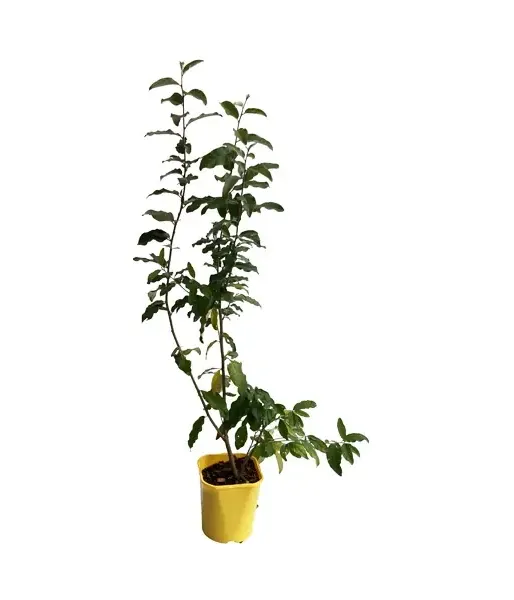
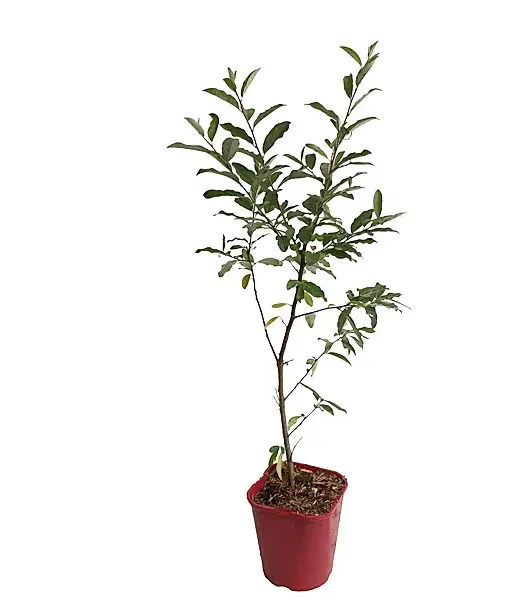
Discover this silver treasure of botany in our selection and add a plant of the future to your garden.
Want to learn even more?
This article is just the beginning. If you want to dive deeper into the world of gardening, get exclusive tips, and access articles ahead of time, join our community!
Follow us on our Facebook page and always be one step ahead.
Which of the scientifically-proven benefits of Elaeagnus impressed you the most? Were you surprised by its potential in fighting diabetes or its use in cosmetics? Share your thoughts in the comments!
Related Products