


















































Healing Power from the Taiga: Effects and Processing of Krasnika (Vaccinium praestans) (Second Part)
Healing Power from the Taiga: A Detailed Guide to the Biological Effects and Processing of Krasnika
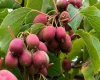
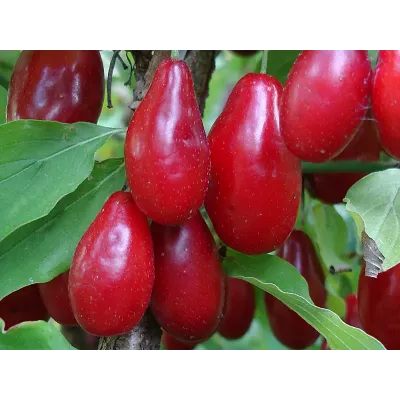
In the harsh conditions of the Far East, where nature forgives no weakness, a plant grows that has developed not only resistance to cold but also a unique chemical arsenal with therapeutic potential. Vaccinium praestans Lamb., known as Krasnika or the Kamchatka bilberry, has been valued in folk medicine for centuries. The locals of Sakhalin and Kamchatka have known the secrets of its power for generations.
Today, thanks to modern scientific methods, we are beginning to understand the mechanisms behind its effects. From strong antioxidant protection to fighting bacteria and its potential in treating hypertension. This article provides a comprehensive overview of not only the biological effects of this endemic plant but also the traditional and modern methods of its processing.
“Krasnika represents a promising source of new therapeutics. Its fruits are literally biochemical factories capable of fighting lifestyle diseases while offering a unique culinary experience.”
Part 1: Pharmacological Profile and Healing Effects
1. Antimicrobial Activity: A Natural Shield Against Infection
One of the most significant discoveries of recent years is the strong antimicrobial activity of Krasnika fruits. Juice and fruit extracts show effectiveness against a wide spectrum of pathogens, including Gram-positive (e.g., Staphylococcus aureus) and Gram-negative bacteria (Escherichia coli).
Mechanism of Action: How Does It Work?
Research has confirmed two key mechanisms:
- Growth Inhibition: Extracts can stop bacterial growth, demonstrated by the creation of inhibition zones in disc diffusion methods.
- Bactericidal Effect: In the case of E. coli and K. pneumoniae, a minimal inhibitory concentration of less than 1 mg/ml was determined, indicating a strong potential to kill bacteria. This effect is likely the result of synergy between organic acids (especially benzoic acid) and phenolic compounds.
2. Antioxidant Activity and Cell Protection
Krasnika is extremely rich in antioxidants that protect cells from damage by free radicals. The fruits contain high concentrations of flavonoids, tannins, and Vitamin C (up to 100 mg/100 g).
Stability of Antioxidants
An interesting finding is the stability of these substances. The antioxidant activity of Krasnika remains relatively stable even when frozen. However, caution is needed during long-term storage—after exceeding 360 days, Vitamin C content begins to drop. These antioxidants play a key role in preventing cardiovascular diseases.
3. Anti-hypertensive and Hepatoprotective Effects
In folk medicine, Krasnika is traditionally used to treat hypertension (high blood pressure). Juice and syrup from the fruits are considered an effective remedy for lowering blood pressure. It is believed that P-active substances (flavonoids) strengthen blood vessels and improve their elasticity.
Furthermore, research suggests a protective effect on the liver (hepatoprotection). Fruit syrup can be used for prevention and supportive treatment of liver diseases, likely due to a combination of anti-inflammatory and antioxidant properties.
Other Interesting Benefits
Detoxification: Helps cleanse the body of heavy metal salts.
Improved Digestion: Thanks to the content of pectins and acids.
Hangover Relief: A drink made from Krasnika is valued for its ability to accelerate recovery after excessive alcohol consumption.
Part 2: From Taiga to Glass – Processing and Use
While the effects of Krasnika are fascinating, the path to them begins with challenging harvesting and processing. Harvesting V. praestans fruits is still largely a matter of gathering from wild stands in difficult-to-access terrain of the Taiga. The season peaks in late August and September.
Traditional Home Processing
Locals have developed methods that are gentle on vitamins. The most popular is cold syrup. Fruits are covered with sugar in a 1:2 ratio. After some time, they release juice, which is drained. This concentrate is then diluted with mineral water to create a refreshing, tonic drink. Jams and marmalades are also common, having a long shelf life thanks to the natural content of benzoic acid.
Modern Industrial Methods
With growing demand, technology comes into play. The goal is to preserve nutritional value for a wider market.
Comparison of Processing Methods
| Method | Advantages | Disadvantages / Notes |
|---|---|---|
| Freezing | High retention of macro/micro elements and sugars. | Vitamin C drops after 360 days. Recommended storage up to 9 months. |
| Juice Pressing | Fast processing, natural preservation. | Minimal need for preservatives thanks to benzoic acid. |
| Extraction (Ethanol/Water) | High concentration of flavonoids and anthocyanins. | Used mainly in pharmacy and cosmetics (antimicrobial). |
Conclusion
Vaccinium praestans Lamb. is a plant with enormous potential. It is a bridge between traditional knowledge and modern science. Whether fighting bacteria directly, protecting the heart, or acting as a restorative tonic, Krasnika deserves attention. With the development of gentle processing methods, this "red pearl" can become a globally recognized superfood.
Interested in plants and new arrivals?
Join us and gain access to expert tips.
Follow us on Facebook so you don't miss anything ➤