

































'Dimaija' Apricot: The Nordic Antioxidant King (Exclusive Preview)
The Nordic Gem 'Dimaija': The First Latvian Apricot Redefining Growing and Health
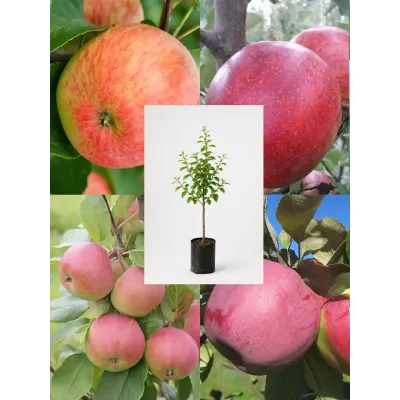
Sometimes the impossible becomes a reality. We are the first to launch the Latvian apricot variety 'Dimaija' on the market. This variety is such a hot novelty that it is not yet available even in its country of origin. It represents a botanical and biochemical triumph of North European breeders, rewriting the charts for nutritional values and resilience of apricots in continental climates.
“Dimaija is not just another variety in the catalog. It is the result of decades of breeding focused on survival in harsh conditions, which brought an unexpected bonus: absolutely record-breaking antioxidant and Vitamin C content across the entire European assortment.”
In this article, we will take a detailed look at the fascinating origin of this variety, its unique anatomy, and the scientifically backed health profile that makes it a true superfood of the future.
1. Origin and Breeding Heritage
The climatic conditions of Latvia, characterized by low temperatures, frequent winter fluctuations, and cool summers, represent an extreme challenge for apricots. In this environment, at the Institute of Horticulture (APP Dārzkopības institūts – LatHort) in Dobele, the variety 'Dimaija' was created under the leadership of breeder Ilze Grāvīte.
Its pedigree goes back to material originally established by visionary Pēteris Upītis in the 1950s using genetics from Central Asia and the Caucasus. An interesting feature of the program is that the seeds were irradiated with X-rays (a dose of 2000 roentgens) before germination to promote genetic variability. Official registration of the variety was filed in Latvia in 2023 under application number 23010.
2. Tree Characteristics and Flowering
'Dimaija' creates a vital tree with upright growth and a relatively narrow crown. It is characterized by exceptionally healthy and resilient wood, which is key for tree longevity in areas with temperature fluctuations.
- Flowering: Blooms mid-early to late, often escaping the worst spring frosts. The flower buds are deep pink before opening, turning into delicate pink, medium-sized flowers upon blooming.
- Pollination: The variety was selected for self-fertility, which significantly eases cultivation in smaller gardens.
- Frost Hardiness: The tree has excellent winter frost hardiness of the wood. The flowers show high tolerance to common spring frosts; observations have shown they can handle temperature drops down to -6 °C during flowering.
3. Fruit Morphology and Flavor Profile
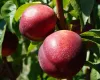
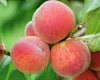
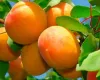
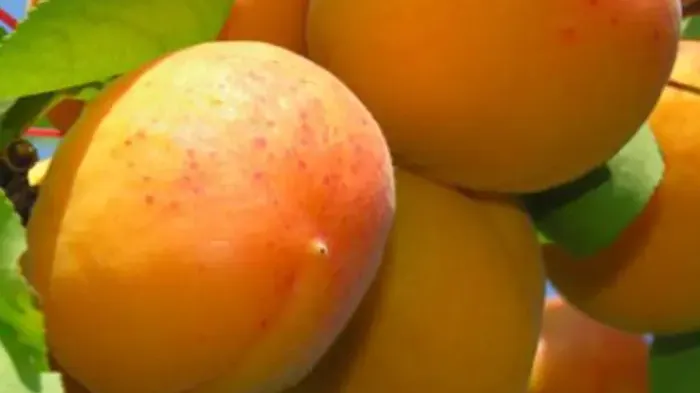
Although it comes from the North, the fruits of the 'Dimaija' variety are equal to their southern competitors. They are large, very uniform in shape, and spherical.
Pomological Profile: ‘Dimaija’
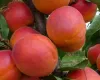
- Color: Light orange ground color with a slightly matte surface and an attractive red blush on the sunny side.
- Flesh: Yellow, medium-firm, fine-grained, and highly aromatic.
- Stone: Medium-sized, "freestone" type – separates completely and cleanly from the flesh.
- Flavor: Good, harmonious, and refreshing. Sugar content is approx. 11.3 °Brix.
4. Biochemical Profile: The Absolute Antioxidant King
The true treasure of the 'Dimaija' variety lies in its chemical composition. An extensive laboratory study confirmed that abiotic stress from the harsh climate stimulates extreme production of protective substances in this variety.
Health Benefit Analysis
| Component | Value | Significance for Health |
|---|---|---|
| Vitamin C | 148.3 mg/100g | Absolute leader, far exceeding common commercial varieties. |
| Total Polyphenols | 2795.3 mg GAE/100g | Extremely strong antioxidant shield against lifestyle diseases. |
| Rutin | 1249.4 µg/g | Strengthening of vessel walls and heart protection. |
| Neochlorogenic Acid | 550.2 µg/g | Powerful antioxidant protecting cells from stress. |
5. Specifics of Growing and Processing
Since this is a variety bred for the coldest climates, it is recommended to follow a few agrotechnical principles.
Professional Recommendation: Inter-grafting
For maximum longevity in frost-prone areas, the inter-grafting technique is recommended: a frost-hardy plum is grafted onto a Myrobalan rootstock, and then the 'Dimaija' apricot is grafted onto the plum at a height of about 1 meter. This prevents damage to the sensitive trunk base during spring snowmelt.
- Location: Requires a sunny spot and well-drained soil with a pH of 6.0 – 6.5.
- Pruning: It is recommended to prune only in spring, when any frost damage to the wood is clearly visible.
- Processing: It retains a high proportion of antioxidants when dried. However, expect that the extreme polyphenol content may give the dried product a specific, slightly bitter to spicy aftertaste. 'Dimaija' is not a simple candy; it is a functional food.
Summary of Pros and Cons
Pros:
+ Record Vitamin C and antioxidant content.
+ Excellent frost hardiness of wood and flowers.
+ Resistance to leaf spot and Monilinia.
+ Large and visually very attractive fruits.
+ Excellent stone separation (freestone).
Cons:
- Slightly lower sugar content compared to Southern European varieties.
- Bitter polyphenol flavor may dominate in processed (dried) fruit.
Conclusion
The 'Dimaija' apricot is proof that the harsh North can give birth to exceptional quality. If you are looking for a tree that brings not only beauty to your garden but, above all, real healing power and high resistance without the need for chemicals, this Latvian gem is a choice without compromise.
Be among the first to own this rarity!
View our current offer of the 'Dimaija' variety ➤
Interested in the science behind fruit growing?
Follow us on Facebook and never miss an update.
Follow us on Facebook ➤