
























































Goji (Wolfberry): The Superfood Odyssey from A to Z (Part 3 – Risks and Future)
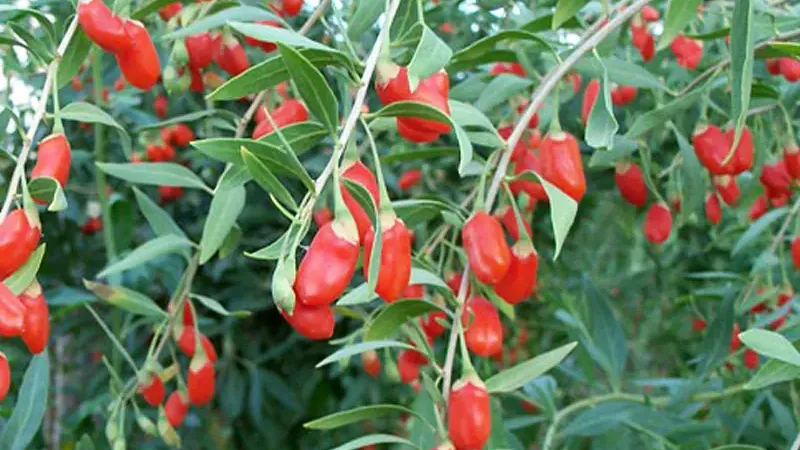
Goji Berry: A Superfruit Odyssey from A to Z (Part 3 – Risks and Future)
In the previous parts of our guide, we unveiled the botanical secrets of goji, its fascinating chemical composition, and its science-backed health benefits. Today, in an era where goji is celebrated as a panacea, it is essential to look at the other side of the coin and approach its consumption with informed caution.
“Although goji berries are generally very safe, no natural substance is without potential risks and interactions. The popularity of goji has brought forth the first clinical reports that consumers and healthcare professionals should not ignore.”
In this final, third part of our odyssey, we will take a critical look at the safety aspects, reveal the biggest risks, and outline the exciting future of research that could turn goji into a targeted tool of modern medicine.
1. Goji on the Scales: Safety and Potential Risks
Despite millennia of use, there are three main areas that require attention.
Drug Interactions: Beware of Blood Thinners!
This is the most well-documented and clinically significant risk.
- The Problem: Goji can dangerously potentiate the effect of anticoagulant drugs, especially warfarin.
- The Evidence: There are several case studies of patients on stable warfarin therapy who, after consuming goji products (juice, tea), experienced a sharp increase in their INR value (a measure of blood clotting), leading to a high risk of bleeding.
- The Mechanism: It is believed that compounds in goji inhibit liver enzymes (CYP2C9) responsible for metabolizing warfarin. Its concentration in the blood increases, dangerously enhancing its effect.
- Recommendation: Patients taking warfarin should avoid goji consumption or consult their doctor.
Allergic Reactions and Cross-Reactivity
Although rare, allergies to goji have been reported.
- Symptoms: From mild hives and lip swelling to severe anaphylactic reactions.
- The Cause: Allergic reactions are caused by specific proteins (LTPs - Lipid Transfer Proteins) common in the plant kingdom.
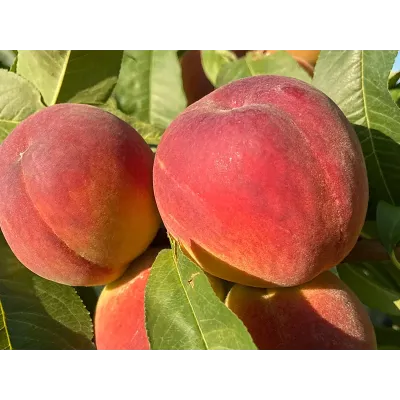
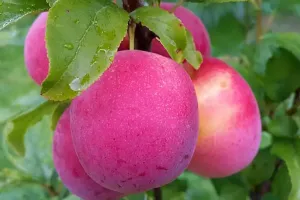
- Cross-Reactivity: The most important finding is a strong cross-reactivity with allergens from peach and tomato.
- Recommendation: Individuals with known allergies to peaches, tomatoes, or other fruits should be very cautious when first consuming goji.
The Myth of Atropine and Toxicity
Since goji belongs to the nightshade family, concerns about the content of toxic atropine have been raised.
- The Reality: Modern, precise analyses have refuted these concerns. Commercially available goji berries contain only extremely low, completely negligible amounts of atropine (max. 19 micrograms per kilogram), which pose no health risk. Fears of atropine poisoning are therefore unfounded.
Safety Summary
Goji is safe for most of the population. Caution is key when taking blood-thinning medications and for those with known food allergies.
2. Beyond the Superfood: The Future of Research
Despite extensive research, we are only at the beginning. The future will bring answers to key questions:
- Clinical Trials: We need large, long-term human studies to confirm goji's effectiveness for specific diseases (metabolic syndrome, Alzheimer's, eye diseases) and to establish optimal dosages.
- Bioavailability: We need to better understand how active compounds (especially large polysaccharide molecules) are absorbed and metabolized in our bodies. The gut microbiome plays a crucial role here.
- Standardization of Extracts: To make study results comparable and products effective, it is essential to develop extracts with a precisely defined content of key compounds.
- Innovative Technologies: Research is focused on new processing methods (e.g., "green" extraction with CO₂) and technologies (e.g., nanoencapsulation) to increase the stability and bioavailability of active compounds.
- Discovery of New Species: Research has so far focused on only 2-3 species. Dozens of other Lycium species from around the world (e.g., L. europaeum) await discovery and may hide new, unique bioactive compounds.
The Future of Goji Research at a Glance
| Research Area | Goal |
|---|---|
| Clinical Trials | Confirm efficacy in humans and establish precise dosages. |
| Standardization | Create extracts with a guaranteed and consistent content of active compounds. |
| New Technologies | Increase the absorption and effectiveness of bioactive compounds. |
| Biodiversity Exploration | Discover new species and their unique medicinal properties. |
Conclusion of the Odyssey
The journey of the genus Lycium from traditional herbals to the forefront of modern science is fascinating. Current knowledge confirms that the traditional perception of goji as a "fruit of health and longevity" has a solid scientific basis. However, a balanced view that considers not only the benefits but also the potential risks is crucial for its safe use. The future of research promises to transform goji from a popular superfruit into a precise tool for preventive medicine and targeted therapy, thereby fully unlocking a potential we have only just begun to discover.
An Informed Choice for Your Health!
Discover the fascinating world of goji in our selection and make an informed decision for your health.
Want to learn even more?
This article is just the beginning. If you want to dive deeper into the world of gardening, get exclusive tips, and access articles ahead of time, join our community!
Follow us on our Facebook page and always be one step ahead.
Were you surprised by the potential risks associated with goji? Which direction of future research do you find most interesting? Let us know in the comments!