



























Exclusive treasures from the East: A detailed analysis of the Latvijas Zemais, Turgenevka, and Haritonovskaja cherry varieties
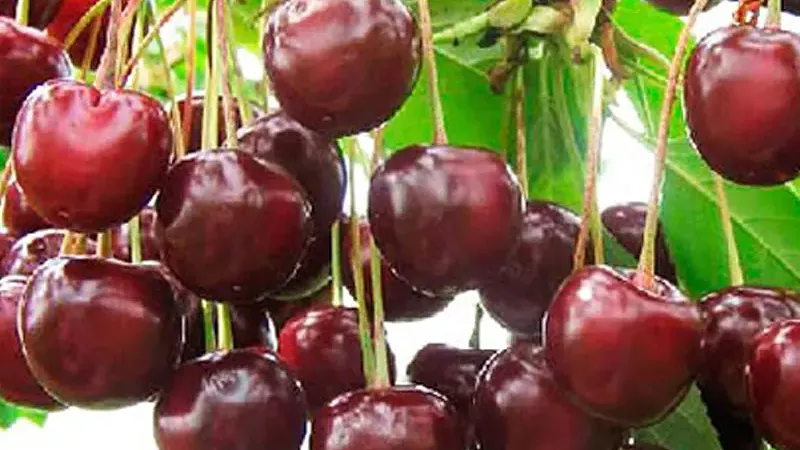
Exclusive Treasures from the East: A Detailed Analysis of Sour Cherry Varieties 'Latvijas Zemais' and Others
The world of Eastern European and Baltic fruit breeding continually reveals its treasures. Breeding in harsh climatic conditions has given rise to varieties that are a true gift for our gardens—hardy, low-maintenance, and exceptionally productive. Sour cherries are no exception. Their tart-sweet flavor and versatile use make them an integral part of summer gardens.
"Modern sour cherry varieties debunk old myths. They offer not only excellent flavor and fruit size but also a resilience that old varieties could only dream of."
In this detailed analysis, we will look at three top-tier Eastern European varieties: the Latvian legend 'Latvijas Zemais' and two proven Russian varieties 'Turgenevka' and 'Haritonovskaja'.
1. ‘Latvijas Zemais’
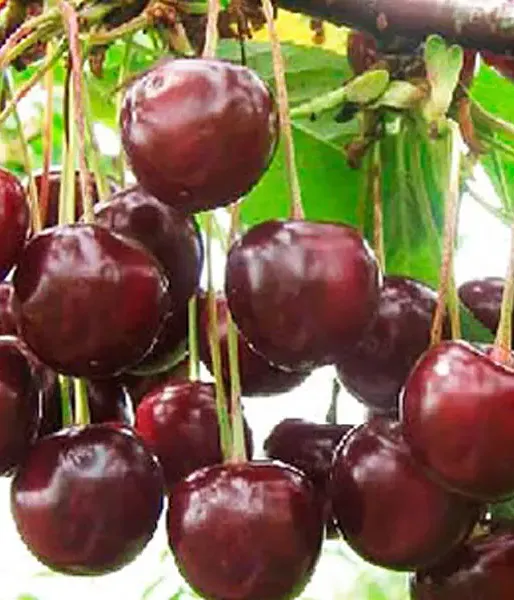
'Latvijas Zemais' is an old and the most widespread sour cherry variety in Latvia, belonging to the Morello group. It is a landrace selection, valued for its low growth, high and regular yield, and good frost hardiness.
This variety is living proof of the power of folk selection. It emerged through natural selection in the border regions of Latvia and Lithuania, where only the hardiest and most productive individuals survived. Its name ("Latvian Low") and synonyms ("Lithuanian Cherry") refer to its low, often shrub-like growth, which makes it an ideal choice for smaller gardens. It is considered the most stable and consistently bearing sour cherry. While the fruits are smaller and more acidic, typical of the Morello type, they are excellent for processing—from jams to juices—thanks to their dark red juice and high phenol content. Its main weakness is a higher susceptibility to leaf spot disease.
Strengths and Weaknesses
- Strengths: Low growth habit, high and very regular yield, good wood frost hardiness, ideal for processing.
- Weaknesses: More susceptible to leaf spot, smaller fruits, medium frost hardiness of flower buds.
Pomological Profile: ‘Latvijas Zemais’
- Ripening Time: Early (early to mid-July)
- Fruit: Small to medium-sized (3–3.5 g), dark red, soft.
- Taste: Tart-sweet to sweet-tart, with dark juice.
- Yield: High and very regular.
- Hardiness: Good wood frost hardiness, but susceptible to leaf spot.
2. ‘Turgenevka’ (Тургеневка)
'Turgenevka' is a popular Russian sour cherry variety, prized for its high yield, exceptional frost hardiness, and all-purpose fruit. The tree has medium vigor and produces large fruits with a dessert flavor.
'Turgenevka' is a proven classic from Russian breeding. It is the variety for those looking for a combination of large, tasty fruits and extreme frost hardiness. With resistance down to -38 °C, it is among the hardiest sour cherries available. The tree grows with medium vigor and forms a characteristic inverted-pyramidal crown. The fruits are large, wide-heart-shaped, with firm flesh that transports well. The taste is dessert-quality sweet-tart, suitable for fresh eating and any kind of processing. It comes into bearing a bit later, in the 5th year. Its main weakness is a lower resistance to diseases, especially brown rot and shot hole disease, as well as to drought, which requires careful site selection.
Strengths and Weaknesses
- Strengths: High frost hardiness (down to -38 °C), high yield, large high-quality fruits with good transportability.
- Weaknesses: Lower resistance to diseases (brown rot) and drought, requires a pollinator for higher yields.
Pomological Profile: ‘Turgenevka’
- Ripening Time: Mid-early (early to mid-July)
- Fruit: Large (4.5–5 g), wide-heart-shaped, dark red, firm.
- Taste: Sweet-tart, dessert quality.
- Yield: High and regular (up to 27 kg/tree).
- Hardiness: High frost hardiness, but susceptible to diseases and drought.
3. ‘Haritonovskaja’ (Харитоновская)
'Haritonovskaja' is a Russian variety, valued for its high and stable yield, excellent fruit flavor, and high resistance to diseases, especially leaf spot and brown rot.
'Haritonovskaja' is a dream come true for growers seeking a top-flavored sour cherry with minimal protection needs. Its greatest benefit is its high resistance to brown rot (Monilinia) and leaf spot, the two most common diseases affecting sour cherries. This makes it an ideal variety for organic cultivation. The tree has a lower and more compact growth habit (2-3 m), which facilitates harvesting and pruning. The fruits are large, dark red, and the flesh has a surprising orange color. The taste is rated as excellent, sweet-tart, with a pleasant cherry aftertaste. While the stone is somewhat large, it separates well from the flesh. It requires a pollinator to ensure a heavy crop.
Strengths and Weaknesses
- Strengths: High disease resistance (brown rot), excellent taste, stable and high yield.
- Weaknesses: Medium frost hardiness, requires a pollinator, relatively large stone.
Pomological Profile: ‘Haritonovskaja’
- Ripening Time: Mid-early (mid-July)
- Fruit: Large (5 g), round, dark red.
- Taste: Excellent, sweet-tart, with a cherry aftertaste.
- Yield: High and stable (up to 20 kg/tree).
- Hardiness: High against diseases, medium frost hardiness.
Variety Comparison at a Glance
Quick Guide for Decision-Making
| Variety | Yield | Frost Hardiness | Disease Resistance | Key Feature |
|---|---|---|---|---|
| Latvijas Zemais | High & Regular | Good | Low | Low Growth & Reliability |
| Turgenevka | High | Extreme (-38°C) | Low | Highest Frost Hardiness |
| Haritonovskaja | High & Stable | Medium (-23°C) | High | Brown Rot Resistance |
Discover the Power of Eastern European Breeding
These varieties are proof that you don't have to be afraid of more challenging conditions. They were created to bring joy and harvest with minimal demands and are an excellent choice for any modern garden. Discover proven sour cherry varieties in our selection and find the right one for your growing goals.
Which of these sour cherry varieties would be the best fit for your garden? Let us know in the comments!
Related Products