


































No More Sour Faces: 9 Giant Blackcurrant Varieties That Taste Like Dessert

No More Sour Faces: 9 Giant Blackcurrant Varieties That Taste Like Dessert
A new generation of sweet varieties children will eat by the handful, straight off the bush
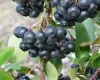
You pick a beautiful dark blackcurrant berry off the bush, put it in your mouth and your face puckers. Older blackcurrant varieties have thicker skins, pronounced acidity and that typical astringent aftertaste, which is why many people — children most of all — refuse to eat them fresh. At best they end up buried in sugar in jam or cordial.
The new generation of varieties changes that. Breeders have produced blackcurrants with berries the size of a cherry, thin skins, juicy flesh and a sugar content the older assortment never reached. The best of them score a full 5 out of 5 on the tasting scale.
|
9
dessert varieties reviewed
|
11.7%
highest sugar content (Bagira)
|
7.5 g
weight of the largest berry
|
5 / 5
tasting score of the top varieties
|
← Swipe the table sideways →
Nine varieties that taste like dessert
The varieties are ordered by how convincing they are eaten straight from the bush. A green header marks varieties with the maximum tasting score, an orange header those rated 4.9 points.
All nine varieties at a glance
| Variety | Berry weight | Sugar content | Tasting score | Key trait |
|---|---|---|---|---|
| Selechenskaya-2 | up to 5.5 g | 7.3% | 5 / 5 | no sharp currant notes, berries do not split |
| Bagira | up to 2.3 g | 11.7% | — | ripens all at once, fruit does not drop |
| Pigmey | up to 7.5 g | 9.4% | 5 / 5 | dessert flavour, very thin skin |
| Rusalka | up to 7.5 g | 7.8% | 5 / 5 | extremely juicy, fruit detaches easily |
| Litvinovskaya | up to 4.5 g | not stated | 4.9 | early, strong aroma, even strigs |
| Veloy | up to 3.5 g | 9.9% | 5 / 5 | thin glossy skin, refreshing taste |
| Slastena | around 4 g | not stated | 4.9 | very few seeds, greenish-brown flesh |
| Dobrynya | up to 6.5 g | not stated | 4.9 | dessert flavour, pronounced aroma |
| Vologda | around 3 g | high fructose share | — | late, ripens in August |
← Swipe the table sideways →
„Not stated“ means no precise sugar figure is available for that variety; its flavour, however, is documented by the tasting score.
Sugar content compared: which variety is the sweetest?
For dessert varieties, sugar content is the decisive figure. The scales below compare only the varieties for which an exact value is known. They are set against a range of 0 – 12% sugars, which represents a realistic maximum for blackcurrants.
| Bagira | 11.7% |
| Veloy | 9.9% |
| Pigmey | 9.4% |
| Rusalka | 7.8% |
| Selechenskaya-2 | 7.3% |
← Swipe sideways →
High sugar content is not the same thing as good flavour. Rusalka contains less sugar than Bagira, yet its gentle acidity makes it refreshing and earned it the maximum tasting score. It is the balance of sugar and acid that decides whether you reach for a second handful.
Sugar in a berry is not made in the sugar bowl but in sunlight and water. Even the sweetest variety will stay sour if you plant it in deep shade and let it dry out.
When to pick which variety
Bagira — the fruit ripens all at once and does not drop even when overripe, so the sun can push the sugar content to its maximum.
Selechenskaya-2, Pigmey, Veloy, Slastena, Dobrynya, Litvinovskaya (early) and Vologda (late, August) — the strigs ripen gradually, so spread picking over several days.
Rusalka — the fruit detaches very easily, so waiting longer simply means losses on the ground under the bush.
Three rules for the sweetest berries on the bush
Even the sweetest variety can disappoint if you do not give it what it needs.
Good to know: Blackcurrants are among the richest fruit sources of vitamin C grown in temperate gardens — a single handful of berries covers an adult's daily requirement. Choosing a sweet dessert variety therefore costs you nothing in nutritional value; it only makes the fruit far easier to enjoy.
Watch out: A dark berry is not necessarily a ripe berry. Picking too early is the most common reason a „sweet“ variety tastes disappointing. With varieties whose fruit drops easily, such as Rusalka, waiting is risky — check those bushes every other day.
Conclusion
Blackcurrants are a genuine treasure in the garden. There is no reason to force down sour fruit, though, when varieties exist that taste like dessert. Choosing the right one turns a dutiful dose of vitamins into a summer pleasure.
Plant them in a sunny spot, water them regularly while the fruit ripens and do not rush the harvest. Instead of reaching for shop-bought sweets, your children will spend the summer at the bush, enjoying huge, sweet, juicy berries by the handful.
|
Sweet blackcurrants for your garden Our shop stocks dessert blackcurrant varieties with huge berries and thin skins — exactly the ones children will eat straight off the bush. Pick your favourite and harvest your own sweet berries next summer. Browse the varieties → |
Join fellow fruit growers Swap growing experience, ask about varieties and share your harvest on our Facebook page full of keen fruit growers, talk to specialists and be the first to get our new articles. Follow us on Facebook → |
Related Products

