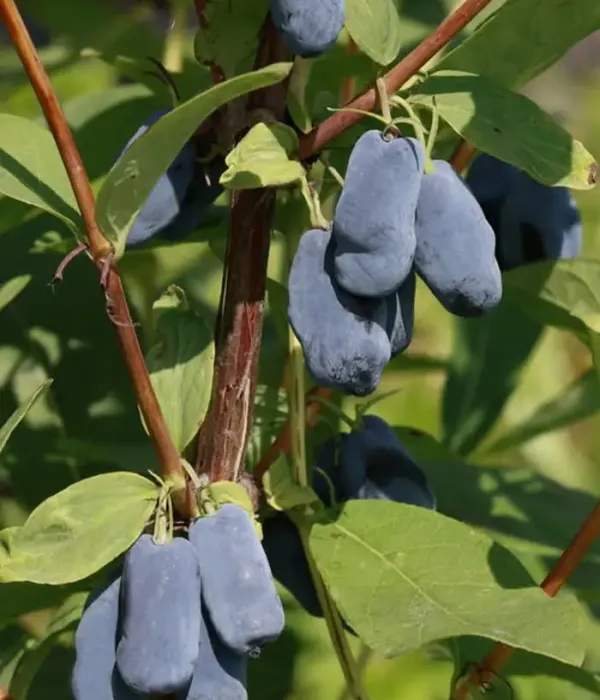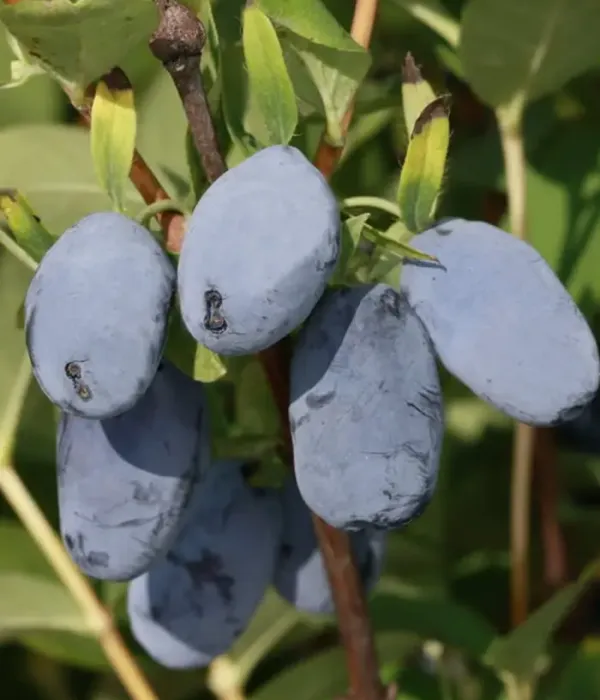


































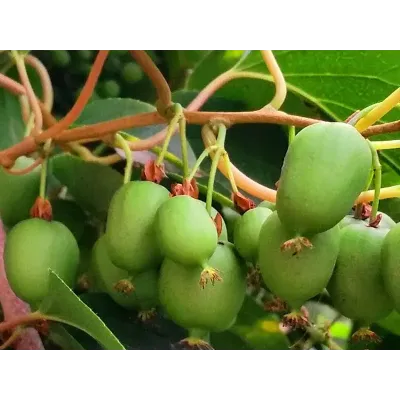





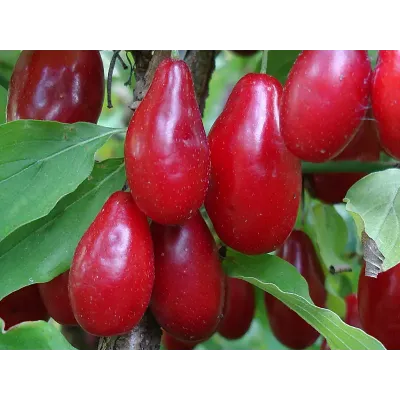
















Odrody zemolezu kamčatského – porovnanie 7 licenčných noviniek
Zemolez kamčatský: sedem licenčných odrôd, ktoré posunuli modré bobule na novú úroveň
Misaki®, Colin®, Maxin®, Minoru®, Maxine's Opus®, Willa® a Toya® – podrobné porovnanie
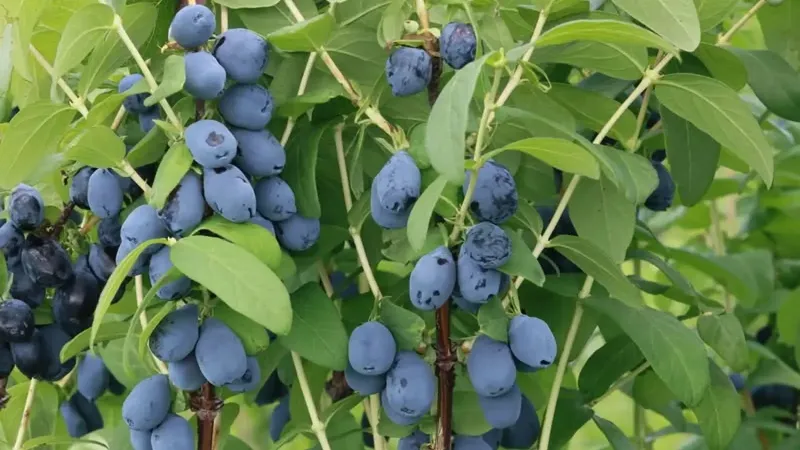
Zemolez kamčatský (Lonicera caerulea var. kamtschatica) prešiel za posledné dve desaťročia mimoriadne rýchlym šľachtiteľským vývojom. Zo severských krov s drobnými, často horkastými bobuľami sa stala plodina s veľkými, sladkými a pevnými plodmi, ktoré obstoja na pulte s čerstvým ovocím aj v spracovateľskom závode. Nasledujúci prehľad približuje sedem moderných, právne chránených odrôd z dvoch najvýznamnejších šľachtiteľských dielní – poľskej školy Korfanty a programu Američanky Maxine M. Thompsonovej z Oregonu.
Všetky opísané odrody spája niekoľko spoločných čŕt: tmavomodré plody s prirodzeným voskovým povlakom, vysoká až extrémna mrazuvzdornosť a – čo je pre pestovateľa zásadné – cudzoopelivosť. Bez druhej, súčasne kvitnúcej odrody v blízkosti sa bohatej úrody nedočkáte.
|
7
porovnávaných odrôd
|
USDA 3
najvyššia uvádzaná zóna mrazuvzdornosti
|
15,2 °Brix
najvyššia uvádzaná cukornatosť
|
3 kg
úroda z päťročného kra ('Maxine's Opus')
|
← Tabuľku posuňte prstom do strán →
Prečo potrebujete vždy aspoň dve odrody
Všetkých sedem opísaných odrôd je cudzoopelivých – vlastný peľ neoplodní ich vlastné kvety. Do blízkosti preto vysaďte aspoň jednu ďalšiu odrodu zemolezu, ktorá kvitne v rovnakom čase. Ideálne je vysadiť tri a viac odrôd s prekrývajúcim sa kvitnutím; úroda býva vyššia a vyrovnanejšia. Opeľovače umiestnite do vzdialenosti niekoľkých metrov, aby ich čmeliaky a včely pri chladnom jarnom počasí bez problémov prelietavali.
Sedem odrôd v detaile
Prehľadné porovnanie odrôd
| Odroda | Pôvod / šľachtiteľ | Plod | Dozrievanie | Habitus | Pozberová trvanlivosť |
|---|---|---|---|---|---|
| 'Misaki®' | Poľsko / Korfanty | stredne veľký, široko vretenovitý | rovnomerné, naraz | vzpriamený, kompaktný | neuvádza sa |
| 'Colin®' | USA / M. M. Thompson | 2 – 3 g, valcovitý | začiatok júla (neskoré) | vzpriamený, veľmi bujný | výborná |
| 'Maxin®' | USA / M. M. Thompson | veľký až veľmi veľký, tvrdý | jún | veľký, štíhly | dlhá (chladiarenské skladovanie) |
| 'Minoru®' | Poľsko / Korfanty | nad 2 g, eliptický až hruškovitý | stredne skoré, rovnomerné | polovzpriamený, úzky, do 180 cm | až 10 dní |
| 'Maxine's Opus®' | USA / M. M. Thompson | 2,2 g; 15,2 °Brix; suchá jazva | skoré, ~60 dní od kvitnutia | široký, rozložitý (1,1 × 1,7 m) | min. 2 týždne pri 0 – 1 °C |
| 'Willa®' | USA / M. M. Thompson | 2 g; 15 °Brix; suchá jazva | polovica júna, rovnomerné | vzpriamený, mierne rozložitý (1,7 × 1,5 m) | min. 14 dní pri 0 – 1 °C |
| 'Toya®' | Poľsko / Korfanty | nad 2,2 g, ostro zakončený | stredne skoré, rovnomerné | úzky, vzpriamený, ~150 cm | viac ako 14 dní |
← Tabuľku posuňte prstom do strán →
Mierky hodnôt: hmotnosť plodu a cukornatosť
Hmotnosť plodu je pri zemoleze rozhodujúca – ovplyvňuje výkon zberu, vzhľad na pulte aj vnímanú hodnotu ovocia. Nasledujúce mierky porovnávajú priemernú hmotnosť bobule u odrôd, pri ktorých šľachtitelia uvádzajú konkrétnu hodnotu.
| 'Colin®' | 2 – 3 g |
| 'Toya®' | nad 2,2 g |
| 'Maxine's Opus®' | 2,2 g |
| 'Minoru®' | nad 2 g |
| 'Willa®' | 2 g |
← Posuňte prstom do strán →
Mierky sú vztiahnuté k rozpätiu 0 – 3 g priemernej hmotnosti bobule. Pri odrode 'Colin' je zobrazený stred uvádzaného rozpätia, pri odrodách s údajom „nad“ spodná hranica. Odrody 'Misaki' a 'Maxin' nie sú zaradené, pretože šľachtitelia pri nich neuvádzajú konkrétnu hmotnosť plodu.
Druhým merateľným ukazovateľom je cukornatosť. Hodnota 15,2 °Brix pri odrode 'Maxine's Opus' patrí k najvyšším uvádzaným pri zemoleze kamčatskom; staršie odrody sa spravidla pohybujú výrazne nižšie.
| Cukornatosť 'Maxine's Opus®' | 15,2 °Brix |
| nízka cukornatosť (0 °Brix) | vysoká cukornatosť, lepšie (20 °Brix) |
Mierka je vztiahnutá k rozpätiu 0 – 20 °Brix. Odroda 'Willa' dosahuje podľa šľachtiteľky 15 °Brix, teda takmer zhodnú hodnotu.
Suchá jazva po stopke, pevná dužina a neopadavosť zrelých plodov – tri vlastnosti, ktoré v modernom šľachtení zemolezu rozhodujú viac než samotná veľkosť bobule. Bez nich sa úroda nedostane z plantáže na pult v predajnej kvalite.
Ktorú odrodu si vybrať
| Malá záhrada a jeden zber: 'Misaki®' a 'Minoru®' – kompaktný až úzky habitus, rovnomerné dozrievanie, plody sa dajú obrať naraz. |
| Najlepšia chuť na priamy konzum: 'Minoru®' a 'Maxine's Opus®' – harmonická sladko-kyslá chuť a najvyššia uvádzaná cukornatosť. |
| Veľké plody pre trh s čerstvým ovocím: 'Maxin®', 'Toya®' a 'Maxine's Opus®' – veľké až veľmi veľké, pevné a atraktívne bobule. |
| Mechanizovaný zber a spracovanie: 'Willa®', 'Toya®' a 'Maxin®' – tvrdé plody, suchá jazva a ideálna sila uchytenia na striasanie. |
| Predĺženie zberovej sezóny: 'Colin®' – dozrieva podľa šľachtiteľky až začiatkom júla, teda výrazne neskôr než ostatné. |
| Čo nikdy nerobte: nevysádzajte jedinú odrodu. Všetky sú cudzoopelivé a bez opeľovača kvitnúceho v rovnakom čase zostane ker takmer bez úrody. |
Upozornenie: licenčná ochrana odrôd
Všetkých sedem odrôd je právne chránených v režime PBR (Plant Breeders' Rights) a prihlásených na ochranu na úrade CPVO. Znamená to, že ich komerčné množenie, predaj a ďalšie rozširovanie sú viazané na licenciu šľachtiteľa. Pre domáceho pestovateľa z toho nevyplýva žiadne obmedzenie pri pestovaní a využívaní vlastnej úrody, no množenie rastlín na predaj je bez licencie neprípustné.
Praktické zásady pestovania
Zemolez kamčatský je jednou z najnenáročnejších drobných ovocných drevín, aké možno v našich podmienkach pestovať. Kvitne mimoriadne skoro, už pri teplotách okolo 3 °C, a kvety znášajú mráz do približne −7 °C – neskoré jarné mrazy mu preto spravidla neublížia. Práve táto vlastnosť z neho robí spoľahlivého producenta v polohách, kde marhule či broskyne pravidelne vymŕzajú.
Uprednostňuje mierne kyslú až neutrálnu, priepustnú a humóznu pôdu s dostatočnou vlhkosťou. Plytko koreniaci kríkový systém zle znáša vysychanie, preto sa oplatí pôdu pod krami zamulčovať. Stanovište volte slnečné až mierne polotienisté; na plnom slnku v teplých oblastiach oceníte popoludňajší tieň, ktorý predlžuje vegetáciu a chráni plody pred spálením.
Rez je v prvých rokoch minimálny – odstraňujte len poškodené a poliehajúce výhony. U bujne rastúcich odrôd ako 'Colin®' a 'Maxin®' počítajte s pravidelnejším udržiavacím rezom, ak nechcete, aby ker prerástol vyhradený priestor. Staršie kry omladzujte odstraňovaním najstarších výhonov pri zemi, čím podporíte tvorbu nových plodonosných výhonov.
Pri výsadbe počítajte s konečnými rozmermi: 'Maxine's Opus®' dorastá do šírky až 1,7 m, zatiaľ čo úzke odrody ako 'Toya®' a 'Minoru®' vystačia s podstatne menším priestorom. V komerčných výsadbách určených na kombajnový zber sú práve úzke a vzpriamené habity jednoznačnou výhodou.
|
Moderné odrody zemolezu z nášho e-shopu Veľkoplodé, sladké a extrémne mrazuvzdorné odrody s overeným pôvodom – vrátane licenčných noviniek z poľského a amerického šľachtenia. Poradíme vám aj so vhodnou kombináciou opeľovačov, aby vaše kry rodili naplno. Pozrieť ponuku odrôd |
Pridajte sa k nám na Facebooku Vymieňajte si skúsenosti s pestovaním, pýtajte sa na odrody a zdieľajte úrodu v našej facebookovej skupine plnej nadšených ovocinárov, diskutujte s odborníkmi a získajte prístup k článkom ako prví. Vstúpiť do skupiny |
Súvisiace produkty