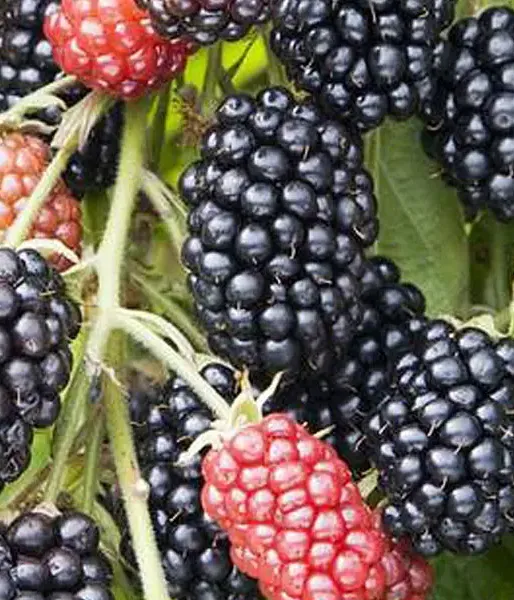




























Modern Thornless Blackberries: Relevant, Juhas, Loch Ness & Maryna
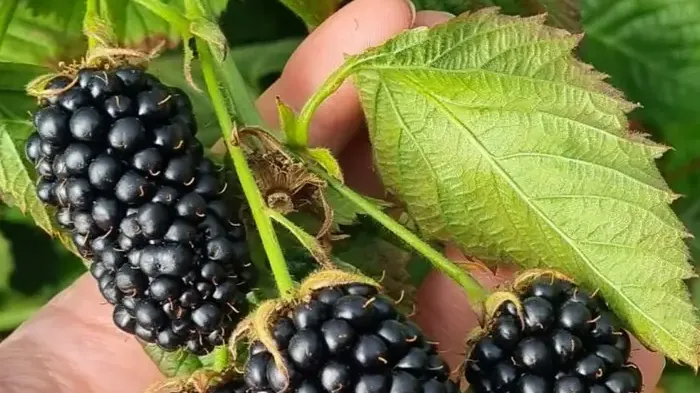
No More Scratches: The Era of Modern Thornless Blackberries
Huge sweet fruits, twice-a-year yielding, and frost hardiness without a single prick. Discover the pinnacle of modern breeding.
For many years, growing blackberries in the garden was associated with nasty scratches and the difficult taming of wildly growing, aggressive shoots. However, modern science and breeding programs from around the world have fundamentally changed this fruit species. Today's blackberries are no longer a dangerous thicket.
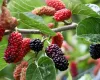
The results are varieties with 100% smooth, thornless canes that produce unprecedented berries larger than strawberries. Furthermore, primocane (autumn-fruiting) varieties have appeared, offering you a harvest up to twice a year. We present four absolute gems among blackberries – from a Scottish classic to hot new releases from Moldova and Poland.
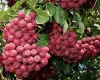
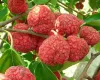
1. Relevant: Extremely Hardy Moldovan Giant
The 'Relevant' variety is an exceptional blackberry that combines the most desirable traits for modern cultivation. It handles extreme frosts (down to -30 °C) and strong winds, making it ideal even for harsher climates. However, what truly amazes are its massive fruits with an average weight of 10 g and excellent shelf life. It grows very vigorously and branches out abundantly. Unlike some other varieties, 'Relevant' yields only once a year on last year's canes (a so-called summer (floricane) variety), but with an exceptionally high yield starting in mid-July.
2. Juhas: A Sweet, Double Harvest from Poland
'Juhas' is a hot novelty primarily aimed at commercial cultivation, but home gardeners will fall in love with it too. It is a primocane (remontant) variety, which means it splits its harvest into two waves. The first comes in July on the old wood, and the second wave in September on the current year's shoots, extending the harvest period up to 7 weeks.
The 'Juhas' variety stands out with very sweet fruits (14.5% Brix) and low acidity. It is absolutely top-tier for freezing, as the fruit does not suffer from so-called color reversion after thawing (it does not turn red but remains beautifully dark).
| Main Harvest Time (Floricane vs. Primocane varieties) | July & September |
| July (Summer wave) | August (Pause) | Sept (Autumn wave) |
← Swipe sideways →
3. Maryna: Extreme Shelf Life for Connoisseurs
'Maryna' is another Polish primocane (twice-yielding) novelty created for a single purpose – the production of premium dessert fruit. It offers exceptionally large berries (over 7 g), an attractive elongated shape, and amazing flavor. It will astound customers with its post-harvest shelf life, keeping the fruit firm and visually flawless even 7 days after picking.
This variety has a moderate and very manageable growth habit. It is adapted for intensive container growing, where it can produce a high-quality yield during the double harvest from a single bush.
4. Loch Ness: The Proven Scottish Classic
The 'Loch Ness' variety is an absolute global staple. Bred in Scotland in 1978, it is one of the first commercially successful, 100% thornless varieties, maintaining its position to this day. It offers vigorous growth, traditional blackberry flavor with gentle acidity, and a firm berry structure. The bush does not form typical root suckers (it doesn't spread like a weed through the garden), but instead pushes out new strong canes from the root crown.
Average Berry Size Comparison
While wild blackberries barely reach a weight of 2 grams, modern varieties have transformed this fruit into respectable giants.
| Relevant (Moldova) | Average 10.0 g |
| Maryna | ~ 7.3 g |
| Loch Ness | ~ 6.0 g (max 10 g) |
| Juhas (field grown) | ~ 4.0 g (max 7.1 g) |
← Swipe sideways →
Summary Overview of Varieties
| Variety | Fruiting Type | Harvest Time | Main Specialty |
|---|---|---|---|
| Relevant | Summer (floricane) | Early (from July) | Extreme frost (-30 °C), 10 g berries |
| Juhas | Primocane (twice a year) | July and September | Super sweet, ideal for freezing |
| Maryna | Primocane (twice a year) | June and September | Perfect shape, stays fresh for 7 days |
| Loch Ness | Summer (floricane) | Early (from July) | Time-tested classic |
← Swipe the table sideways →
Beware of the Correct Pruning!
Summer varieties (Relevant, Loch Ness): They only bear fruit on old (last year's) wood. In the fall after harvest, you must cut the old canes to the ground and leave 5-7 strong current-year canes for the next season.
Primocane varieties (Juhas, Maryna): They yield twice. They give you the autumn harvest from the tips of completely new, current-year shoots. Therefore, do not cut these canes completely in winter, just snip off the dry, fruited tips, because in spring, they will give you a second, summer harvest on their lower parts.
Today's blackberries are no longer a dangerous thicket full of thorns. Breeding has resulted in luxurious, elegant plants yielding enormous, sweet dessert fruits.
Experience Harvesting Without a Single ScratchBrowse our e-shop and choose from top-tier, 100% thornless varieties that will bring a harvest of massive, sweet berries to your garden all summer long. Buy Blackberry Plants |
Join Fruit-Growing EnthusiastsExchange growing experiences, ask about varieties, and share your harvest in our Facebook community full of enthusiastic gardeners, discuss with experts, and get early access to articles. Join us on Facebook |
Related Products