




































Cart

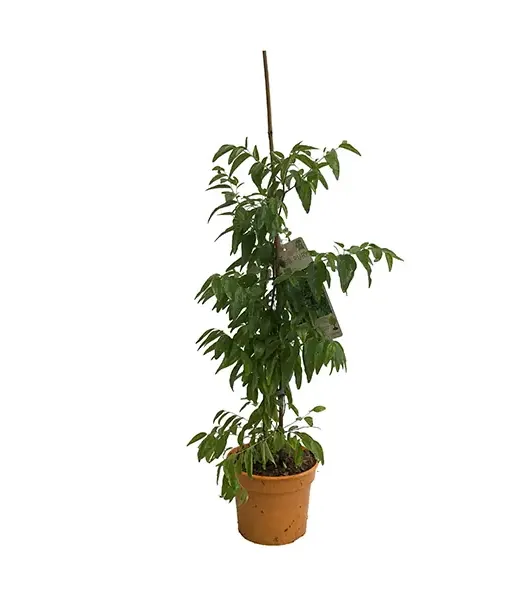
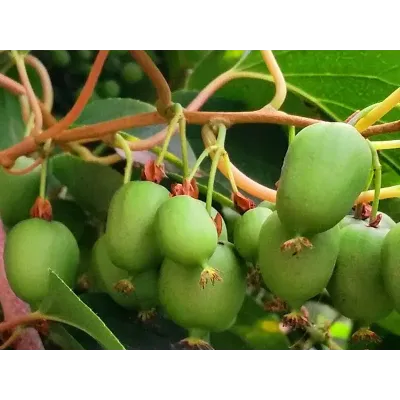
Kiwi (Actinidia macrosperma) BOUNTY 71
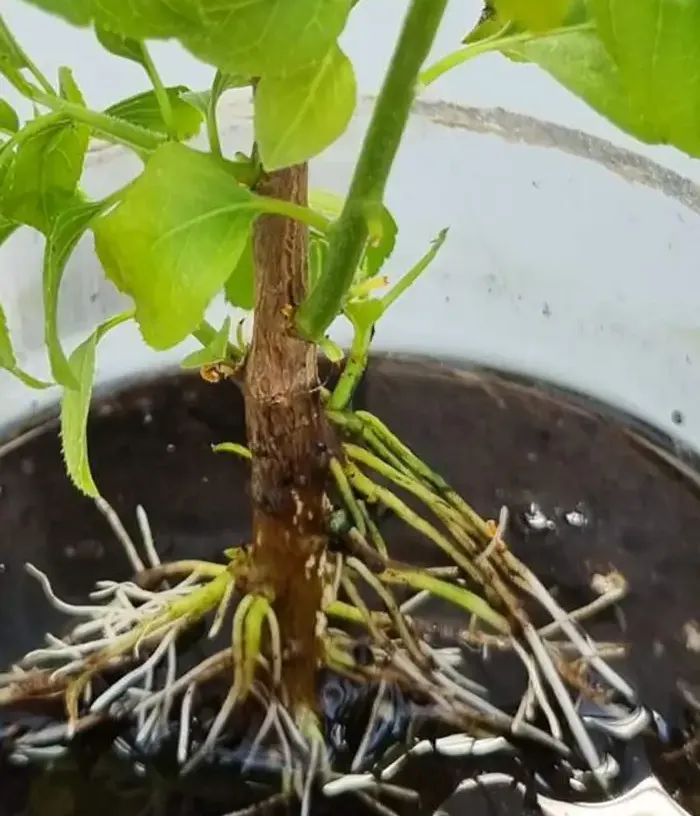
Kiwi (Actinidia macrosperma) BOUNTY 71
New
Kiwi (Actinidia macrosperma) BOUNTY 71
Specifications
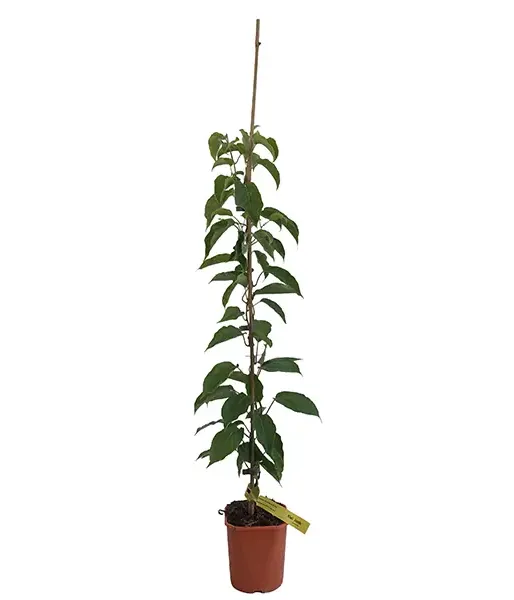
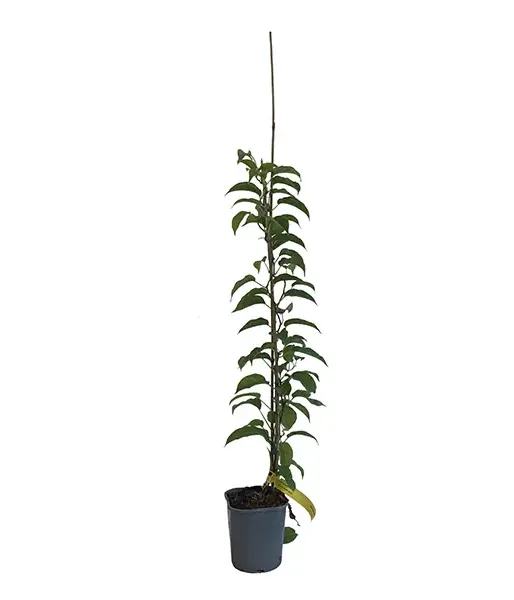
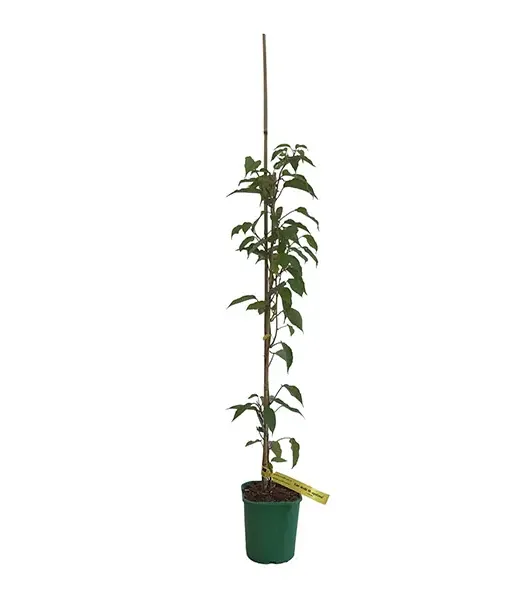
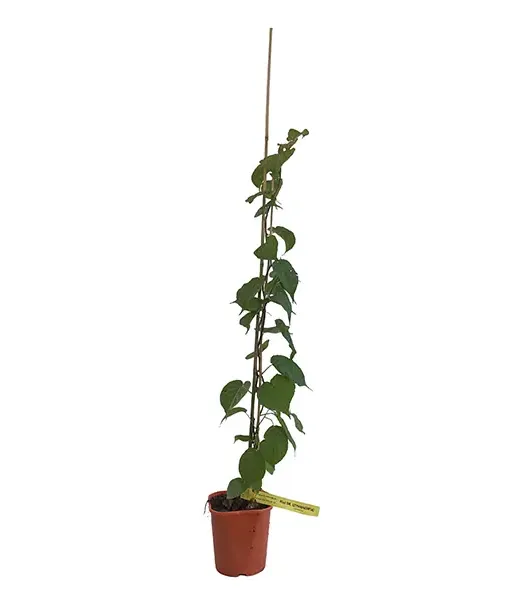
Height at sale100cm
PotC2
Sell as2 year old
The standard delivery time is 2-5 working days.(except for goods "On request")
We send goods on Monday, Tuesday, Wednesday, by agreement also Thursday or Friday.
Price
14.90€
Ex Tax: 12.11€
  • Stock: In Stock
  • Model: Actinidia

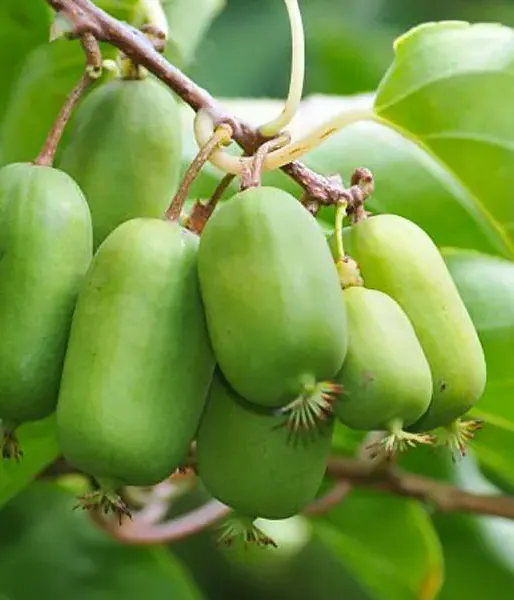
Kiwi (Actinidia macrosperma) - Special Rootstock 'Bounty 71'

'Bounty 71' is not a variety grown for its own fruit, but represents a revolutionary and globally recognized rootstock onto which noble fruit-bearing kiwi varieties are grafted (e.g., 'Hayward', 'Tuscia', or yellow and red varieties). Choosing the right rootstock is just as important for orchard success as choosing the variety itself. 'Bounty 71' literally transforms kiwi cultivation – allowing orchards to be established even in heavy soils where own-rooted kiwis would not survive, and providing plants with crucial protection against the most destructive diseases.


Actinidia 'Bounty 71' (Special Rootstock)

Choosing the right rootstock is just as important for orchard success as choosing the variety itself.

Main advantages of the rootstock:

  • Allows kiwi cultivation even in heavy, clayey, and poorly drained soils.
  • Deep taproot ensures better drought and waterlogging resistance.
  • High tolerance to the devastating PSA bacterium.
  • Increases yield, fruit size, and dry matter content (better taste) of the grafted variety.
  • Over 15 years of proven results in practice (high reliability).
  • Allows grafting multiple varieties of Actinidia deliciosa and Actinidia chinensis onto 1 plant, working where all other options fail.
Origin and Breeding
  • Botanical classification: It is a seedling selection of the species Actinidia macrosperma.
  • Origin: The rootstock was developed in New Zealand, the global leader in kiwi growing innovations.
  • Practice: It has over 15 years of successful commercial use in orchards worldwide, making it a proven and highly reliable choice compared to newer, less tested rootstocks (such as 'Roki').
Detailed description and function of the rootstock: Root system
  • Taproot: While conventional own-rooted kiwis have a shallow, surface root system, 'Bounty 71' is characterized by a deep taproot.
  • Benefits: This root penetrates deep into the soil, giving the plant optimal access to water and nutrients even under extreme conditions. The risk of waterlogging (root asphyxia) is significantly reduced, and conversely, resistance to summer drought is increased.
  • Effect on the grafted variety (Scion):
    • Yield optimization: The strong root system ensures better nutrition for the upper part of the plant. The result is richer blooming and more regular production.
    • Fruit quality: Noble varieties grafted onto 'Bounty 71' produce demonstrably larger fruits with a higher dry matter proportion. Higher dry matter means better, sweeter taste and significantly longer shelf life of the fruits.
    • Growth management: The rootstock provides the plant with balanced vitality, which facilitates pruning, maintenance, and harvesting in the orchard.
Cultivation properties and characteristics
  • Soil adaptation:
    • Heavy and poorly drained soils: This is the biggest benefit of the 'Bounty 71' rootstock. Kiwis are extremely sensitive to standing water in the root zone (they rot quickly). However, this rootstock is perfectly adapted to cultivation in heavy, clayey, and poorly drained soils, ensuring stable growth even under unfavorable conditions.
  • Disease resistance (PSA):
    • Bacterial Canker of Kiwifruit (PSA): The bacterium Pseudomonas syringae pv. actinidiae (PSA) is globally the largest threat to kiwi orchards, capable of wiping out entire plantations. 'Bounty 71' offers high commercial tolerance to this disease. It protects the long-term health of the plant and minimizes economic losses.
  • Agrotechnics (Grafting and compatibility):
    • Compatibility: It is fully compatible with major commercial varieties and guarantees harmonious fusion without the risk of late scion rejection.
    • Grafting techniques:
      • Spring (March - April): Cleft grafting or whip and tongue grafting is recommended.
      • Summer (mid-July - early September): T-budding (shield budding) onto a dormant bud is ideal.

Drawbacks of the rootstock:

  • Does not produce edible fruit on its own (it is just an "engine" for another variety).
  • In light, extremely sandy soils, its taproot may not bring such a dramatic difference compared to regular seedlings as it does in heavy soils.
  • Note for enthusiasts: These rootstocks are ideal for creating "family trees" from kiwis (easily handles 4-6 different varieties at once).

Write a review

Note: HTML is not translated!
Rating
Bad Good
reCAPTCHA verification failed! Please try again.
The Mini Kiwi Jumbo is one of the most popular kiwi varieties. It is a prolific decorative climber. It grows vigorously, is cold resistant. It is also..
Price
17.90€
Ex Tax:14.55€
Add to Cart
The ISSAI mini kiwifruit is one of the most popular kiwifruit varieties. It is a prolific decorative climber. It grows vigorously and is cold resistan..
Price
19.90€
Ex Tax:16.18€
Add to Cart
Mini kiwi WEIKI M is one of the necessary kiwifruit varieties if you want to successfully grow other varieties.  WEIKI M is an all-purp..
Price
18.90€
Ex Tax:15.37€
Add to Cart
Universal pollinator for Actinidia colomikta for all female - fruiting varieties of Actinidia kolomikta It grows vigorously, needs support for it..
Price
18.90€
Ex Tax:15.37€
Add to Cart
A mini-kiwi variety with medium-sized fruits with a distinctive flavour. Sentyabraskaya belongs to the Actinidia Kolomikta group. It originates from U..
Price
17.90€
Ex Tax:14.55€
Add to Cart
A mini-kiwi variety with medium sized fruits of distinctive DR. SZYMANWSKI belongs to the Actinidia Kolomikta group. The variety was bred in Poland.It..
Price
17.90€
Ex Tax:14.55€
Add to Cart