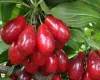
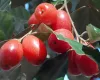
Prunus cerasus (sour cherry) is a smaller, often self-pollinating deciduous tree of the Rosaceae family, probably of hybrid origin. Botanically, it differs from sweet cherry in its smaller size, sparser crown, and shorter leaves. The flowers are white and arranged in cymes. The fruit is a juicy, sour drupe with a hard endocarp. Nutritionally, the fruits are valued for their lower sugar content and higher proportion of organic acids (especially malic acid), which give them their characteristic sour taste. They are a source of fiber, potassium, and vitamin C. Their phytochemical profile is defined by a high concentration of anthocyanins (especially cyanidin-3-rutinoside), which are responsible for their deep red color and have strong antioxidant and anti-inflammatory effects. Sour cherries are also one of the few fruits that naturally contain melatonin, a hormone that regulates the sleep cycle.
Rootstocks:
GiSelA 5
Ideal for intensive dense plantings and small gardens, as it significantly reduces tree growth. It ensures extremely early fruiting and high fruit set in the first years after planting.
GiSelA 6
Compared to G5, it is more vigorous, which means it anchors better in the soil and is less demanding in terms of irrigation and pruning. However, it retains the advantage of early fruiting and high fruit quality.
Maxma 14
A semi-dwarf rootstock that anchors excellently and, unlike others, tolerates heavier soils and higher calcium content. It promotes the formation of large fruits, early fruiting, and is resistant to chlorosis.
GiSelA 12
Suitable for poorer soil conditions and weaker growing varieties, to which it provides the necessary vitality. Despite its more vigorous growth, it retains early fruiting, high productivity, and good health.
Prunus mahaleb
Intended primarily for dry and cold areas, it can handle a variety of conditions. Thanks to its deep root system, it is highly resistant to drought, ensuring the longevity of trees and good stability without the need for support.