































Veľkoplodé čierne ríbezle: 7 odrôd s plodmi až 8 gramov
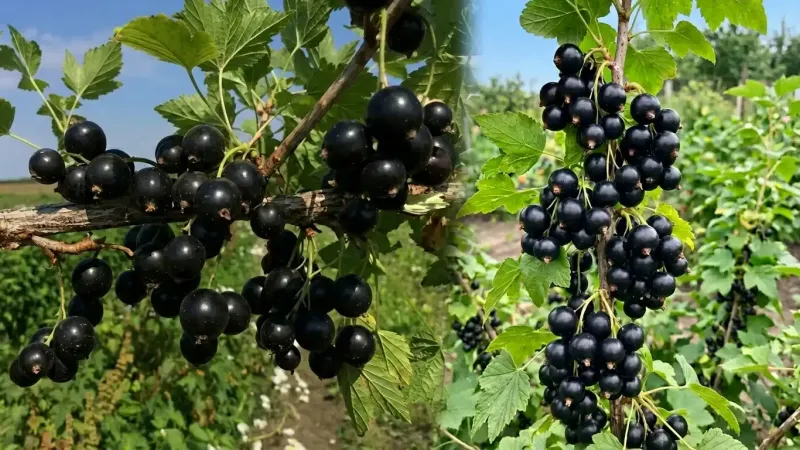
Zabudnite na drobné bobule: 7 odrôd čiernych ríbezlí s plodmi veľkými ako čerešne či hrozno
Moderné veľkoplodé odrody vážia až osemnásobok bežnej ríbezle – a chutia dezertne sladko
Spomínate si na tie nekonečné hodiny strávené pri kríkoch čiernych ríbezlí? Zber drobných, sotva gramových guličiek, ktoré boli často také kyslé, že sa hodili nanajvýš do vareného džemu, odradil už nejedného záhradkára. Ak ste na túto mimoriadne zdravú plodinu zanevreli, je čas zmeniť názor. Moderné šľachtiteľstvo totiž doslova prepísalo pravidlá hry.
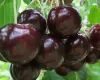
Čierne ríbezle sú našou lokálnou superpotravinou, ktorá obsahuje veľa vitamínu C a antioxidantov a vôbec ju nemusíme dovážať z druhého konca sveta. A to najlepšie? Dnes už existujú gigantické odrody, ktorých plody pripomínajú skôr menšie čerešne alebo bobule hrozna. Kým bežná ríbezľa váži okolo 0,8 až 1 gramu, títo rekordéri dosahujú 3 až 8 gramov.
|
8 g
najvyššia doložená hmotnosť jednej bobule
|
0,8 – 1 g
hmotnosť plodu bežnej staršej odrody
|
6 kg
úroda z jedného kríka odrody Jadrenaja
|
9,4%
obsah cukrov v plodoch odrody Pigmej
|
← Tabuľku posuňte prstom do strán →
Rozdiel medzi starou a modernou odrodou nie je v starostlivosti, ale v genetike. Osemgramová bobuľa nikdy nevyrastie na kríku, ktorý na ňu nemá vlohy.
Porovnanie hmotnosti plodov
Nasledujúca mierka porovnáva najvyššiu udávanú hmotnosť jednej bobule u jednotlivých odrôd. Hodnoty sú vztiahnuté k hornej hranici škály 8 gramov, ktorú predstavuje odroda Jadrenaja.
| Jadrenaja | 8 g |
| Rusalka | 7,5 g |
| Pigmej | 7,5 g |
| Dobryňa | 6,5 g |
| Selečenskaja-2 | 5,5 g |
| Čerešňová | 4,5 g |
| Krasa Ľvova | 4,5 g |
| Bežná staršia odroda | 1 g |
← Posuňte prstom do strán →
Mierky sú vztiahnuté k rozpätiu 0 – 8 g, čo zodpovedá maximu doloženému u odrody Jadrenaja. Ide o maximálne, nie priemerné hmotnosti plodov.
Sedem odrôd, ktoré prepísali pravidlá
| Obsah cukrov v plodoch odrody Pigmej | 9,4% |
| nízka cukornatosť (0%) | vysoká cukornatosť, sladšia chuť (12%) |
Hodnota je vztiahnutá k rozpätiu 0 – 12% cukrov, ktoré pokrýva bežné rozmedzie čiernych ríbezlí. Čím je značka viac vpravo, tým sú plody sladšie.
Prehľad odrôd na jednom mieste
| Odroda | Hmotnosť plodu | Charakteristika chuti | Hlavná prednosť | Na čo si dať pozor |
|---|---|---|---|---|
| Jadrenaja | 3 – 8 g | sladkokyslá, pevná šupka | najväčšie plody, až 6 kg z kríka | rýchlo starne, nutný omladzovací rez |
| Rusalka | až 7,5 g | dezertná, 5 z 5 bodov | suchý odtrh, skorý nástup do rodivosti | pri prezretí opadáva, vošky |
| Pigmej | 2 – 7,5 g | veľmi sladká, 9,4% cukrov | odolnosť proti suchu a múčnatke | tenká šupka pri manipulácii |
| Dobryňa | 2,8 – 6,5 g | sladká, veľmi šťavnatá | kompaktný krík, plody neopadávajú | postupné dozrievanie, náročná na pôdu |
| Selečenskaja-2 | 3,0 – 5,5 g | extrémne sladká, bez ostrých tónov | skorá, vhodná do rodinných záhrad | vyžaduje výdatné hnojenie |
| Čerešňová | až 4,5 g | sladká, hrubšia šupka | 10 – 15 bobúľ na strapci, zber naraz | silný vzrast, potrebuje priestor |
| Krasa Ľvova | až 4,5 g | vyrovnaná, klasická | vyrovnaná veľkosť a spoločné dozrievanie | hustý krík, nutné presvetľovanie |
← Tabuľku posuňte prstom do strán →
Tajomstvo obrovských plodov: ako z odrody vyťažiť maximum
Kúpiť si sadenicu veľkoplodej odrody je len prvý krok. Aj ten najväčší gigant, ako je Jadrenaja, sa bez správnej starostlivosti zmení na krík s drobnými a kyslými bobuľami. Ak chcete, aby vaše ríbezle vyzerali ako z obálky záhradkárskeho magazínu, dodržiavajte tri základné pravidlá.
Voda je základ veľkosti. Čierne ríbezle sú náročné na vlahu. Ak je počas kvitnutia a tvorby plodov sucho, bobule zostanú malé a kyslé. Kríky zalievajte raz až dvakrát týždenne, pričom na jeden meter štvorcový by malo pripadnúť až 20 litrov vody. Nezabudnite na mulčovanie slamou alebo kompostom, ktoré udrží vlhkosť pri koreňoch.
Dôsledný rez. Veľké plody sa tvoria na mladom dreve a potrebujú slnko. Ak krík zahustíte, úroda sa presunie len na okraje a plody vo vnútri zostanú drobné. Každú jar alebo jeseň odstráňte staré, hrubé a do stredu smerujúce konáre.
Výdatné hnojenie. Veľké plody potrebujú veľa energie. Od druhého roku po výsadbe pridávajte ku každému kríku pol vedra kvalitného kompostu alebo humusu a nezabúdajte na jarné prekyprenie pôdy, takzvané suché zalievanie.
Tip pre vyššiu úrodu: Aj keď je väčšina moderných odrôd čiernych ríbezlí samoopelivá, výsadba dvoch až troch rôznych odrôd vedľa seba zlepšuje opelenie. Strapce bývajú lepšie obsadené a plody vyrovnanejšie.
Upozornenie: Uvádzané hmotnosti plodov predstavujú maximálne hodnoty dosiahnuteľné pri optimálnej starostlivosti. Na suchom, vyčerpanom stanovišti alebo pri preťaženom kríku budú plody aj u tých najlepších odrôd výrazne menšie. Veľkoplodá genetika je predpoklad, nie záruka.
Záver
Pestovanie čiernych ríbezlí už dávno nie je o kompromisoch medzi zdravím a chuťou ani o boľavom chrbte pri zdĺhavom zbere. Dnešné veľkoplodé odrody sú dôkazom, že aj v našich podmienkach môžeme pestovať ovocie, ktoré ohromí svojou veľkosťou, sladkosťou a šťavnatosťou.
Predstavte si to letné ráno: vyjdete do záhrady a z kompaktného kríka si do dlane natrháte hrsť čiernych bobúľ veľkých ako hrozno. Sú sladké, voňavé a plné vitamínov. Stačí si vybrať tú správnu odrodu a venovať jej trochu pozornosti v podobe zálievky, hnojenia a rezu – a vaša záhrada sa zmení na raj plný gigantických plodov.
|
Veľkoplodé ríbezle do vašej záhrady
Vyberte si overené veľkoplodé odrody čiernych ríbezlí s dezertnou chuťou a bobuľami veľkými ako hrozno. Kvalitné, zdravé sadenice pripravené na výsadbu nájdete v našom e-shope. Prejsť do e-shopu → |
Pridajte sa k nám na Facebooku
Vymieňajte si skúsenosti s pestovaním, pýtajte sa na odrody a zdieľajte úrodu v našej facebookovej skupine plnej nadšených ovocinárov, diskutujte s odborníkmi a získajte prístup k článkom ako prví. Vstúpiť do skupiny → |
Súvisiace produkty

