














































The Elixir of Youth: How Antioxidants in Peaches Fight Aging

The Elixir of Youth Under a Velvety Skin: How Antioxidants in Peaches Fight Aging and Diseases
Aging. A word that evokes fears of wrinkles, loss of energy, and increasing health problems. However, modern science shows us that aging is not just the inevitable passage of time, but to a large extent, the result of constant damage to our cells at the molecular level.
The main culprit of this wear and tear is oxidative stress, caused by free radicals. Fortunately, nature has provided us with effective weapons for defense – antioxidants. And while you might look for them in exotic berries or expensive dietary supplements, one of the tastiest and most accessible sources of these protective substances ripens right in our orchards.
It is the ordinary, sweet, and juicy peach. Let's dive into the world of phytochemicals and discover how peaches protect our bodies from the ravages of time and lifestyle diseases.
Oxidative Stress: The Invisible Enemy in Our Body
To understand the power of peaches, we must first understand the enemy. Our body constantly produces energy, and as a byproduct, so-called free radicals (reactive oxygen species - ROS) are formed (Bassi et al., 2016).
These molecules are highly unstable and aggressive. In an attempt to gain a missing electron, they attack and damage everything in their path – cell membranes, proteins, and even our DNA (Byrne et al., 2009).
This process, known as oxidative stress, is the main driving force of aging and is closely linked to the development of many chronic diseases, including cardiovascular diseases, cancer, diabetes, and neurodegenerative disorders (Bassi et al., 2016; Byrne et al., 2009).
Our Only Defense
Our only defense is antioxidants – molecules that can "donate" an electron to free radicals without becoming dangerous themselves, thereby neutralizing them and stopping the chain reaction of damage (Bassi et al., 2016).
The Peach: An Arsenal of Phytochemicals
Among all stone fruits, the peach (Prunus persica) is the fruit with the highest antioxidant activity (Bassi et al., 2016). This power does not come from vitamin C (of which the peach contains only a moderate amount, about 6.6 mg/100 g), but from an enormous wealth of secondary plant metabolites, so-called phytochemicals (Bassi et al., 2016; Byrne et al., 2009).
The plant primarily creates these substances for its own protection against UV radiation, insects, and diseases. However, when we consume them, they become our protectors. Three main groups of antioxidants dominate in peaches:
1. Phenolic Compounds (Polyphenols): The Main Heroes
Polyphenols are the most important and abundant antioxidants in peaches. Scientific studies (Byrne et al., 2009) have clearly shown that the total antioxidant capacity of peaches is almost exclusively dependent on the content of phenolic compounds (correlation r = 0.79 to 0.96), while the contribution of vitamin C or carotenoids is negligible.
The most significant phenols in peaches include (Bassi et al., 2016; Cao et al., 2025):
- Chlorogenic and neochlorogenic acid: These hydroxycinnamic acids are extremely potent free radical scavengers.
- Flavan-3-ols (Catechins and epicatechins): Compounds known primarily from green tea, which have strong anti-inflammatory and anti-cancer effects.
- Flavonols (Quercetin and rutin): Protect blood vessels and promote heart health.
These phenols not only directly neutralize free radicals but can also stimulate the activity of our own internal antioxidant enzymes (e.g., glutathione peroxidase) and inhibit the production of ROS in mitochondria (Bassi et al., 2016).
2. Anthocyanins: The Power of Color
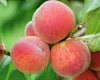
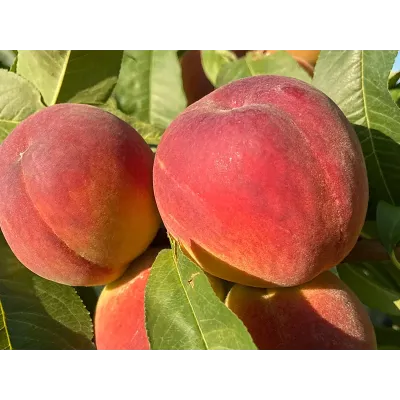
Anthocyanins are pigments responsible for the red, blue, and purple coloration of plants. In peaches, they are found primarily in the skin (where they create the red "blush") and in the flesh right around the pit (Bassi et al., 2016). The main anthocyanin in peaches is cyanidin-3-glucoside (Bassi et al., 2016).
Anthocyanins are extremely powerful antioxidants. Studies have shown that peach varieties with red flesh (so-called blood peaches) have an antioxidant capacity that equals or even surpasses blueberries, thanks to their enormous anthocyanin content (Byrne et al., 2009).
3. Carotenoids: Eye and Skin Protection
Carotenoids are responsible for the yellow and orange coloration of peach flesh (Bassi et al., 2016). The dominant carotenoids are β-carotene (provitamin A) and β-cryptoxanthin, followed by lutein and zeaxanthin (Bassi et al., 2016; Byrne et al., 2009). Although their direct contribution to the total antioxidant capacity of the fruit is smaller than that of phenols, they are absolutely crucial for specific functions in the body, especially for protecting the retina of the eye from oxidative damage and macular degeneration (Bassi et al., 2016).
Where Does the Most Health Hide? The Golden Rule of Not Peeling
If you want to get the maximum health benefits from a peach, you must follow one fundamental rule: never peel it.
Scientific analyses (Bassi et al., 2016; Cao et al., 2025) repeatedly confirm that the concentration of phenolic compounds, anthocyanins, and carotenoids in the skin (epidermis) of a peach is two to three times higher than in the flesh itself. The skin is the fruit's first line of defense against the sun and pests, so it is literally packed with protective phytochemicals. By removing the skin, you voluntarily deprive yourself of the most valuable part of this fruit.
A Protective Shield Against Diseases
Regular consumption of antioxidant-rich peaches has proven preventive effects against several serious diseases:
- Cardiovascular diseases: One of the key steps in the development of atherosclerosis (clogging of the arteries) is the oxidation of LDL ("bad") cholesterol by free radicals. Studies (Byrne et al., 2009) have shown that peach extracts can effectively inhibit the oxidation of human LDL cholesterol, thereby protecting blood vessels from damage.
- Cancer: Oxidative stress damages DNA, which can lead to mutations and the development of cancer. Phytochemicals in peaches (especially chlorogenic and neochlorogenic acid) exhibit chemopreventive effects. Laboratory tests (Byrne et al., 2009; Bassi et al., 2016) have shown that peach extracts can inhibit the proliferation (multiplication) of breast cancer cells (MDA-MB-435 line) by triggering apoptosis (programmed cell death) in them, while healthy cells remain undamaged.
- Liver protection: The liver is the main detoxification organ, constantly exposed to oxidative stress from toxins. Antioxidants and hepatoprotective elements in peaches help protect liver tissue from damage and support its normal functioning (Bassi et al., 2016).
Conclusion
The peach is a complex, nature-made capsule full of powerful antioxidants that can protect our cells from invisible damage, slow down the aging process, and reduce the risk of serious lifestyle diseases. Whether you choose a classic yellow peach, an elegant nectarine, or reach for an antioxidant bomb in the form of a blood peach, remember the most important thing: wash it, but do not peel it. It is precisely in that delicate, velvety skin that the true elixir of youth and health is hidden.
Grow your own elixir of health
View our offer of premium peach varieties ➤
Interested in the science behind fruit growing and nutrition?
Join our community and discuss with experts.
Join the VIP Facebook group HERE ➤