


































Gooseberries Hardened by Frost: Top Cultivars That Survive a Siberian Winter
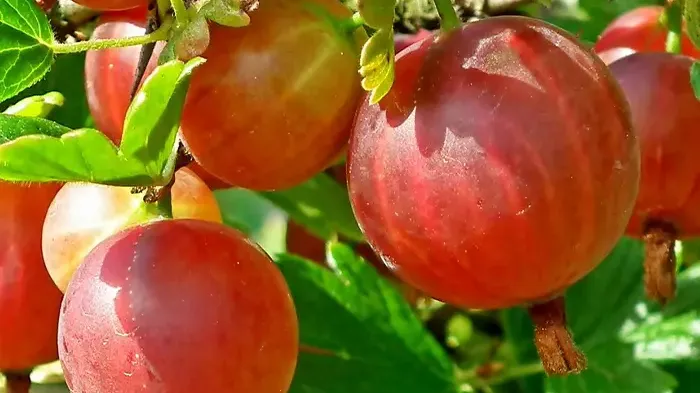
Gooseberries Hardened by Frost
Cultivars from the Russian, Belarusian and Latvian breeding schools that shrug off even a Siberian winter
Spring arrives, the snow melts and you walk hopefully into the garden to check your fruit bushes. Instead of swelling buds, a sad sight awaits you: frost-killed, dry, brown gooseberry shoots that survived neither the harsh winter cold nor the treacherous temperature swings of early spring.
Specialists point to one important fact: compared with currants, the gooseberry (Ribes uva-crispa) is naturally less winter hardy. Does that mean growers in colder, northern or upland regions have to give up this delicious fruit? Not at all.
The Russian, Belarusian and Latvian breeding schools, working in the harsh continental climate of the Urals and Siberia, took the problem as a personal challenge. Decades of selection produced cultivars that are quite literally hardened by frost. These bushes not only survive extreme sub-zero temperatures, they wake up in full vigour in spring and carry a heavy crop. Here is a detailed profile of the leading cultivars from the post-Soviet region, for which a severe winter is simply routine.
|
8
cultivars for cold regions
|
9.2 g
largest berry (Beryll)
|
10 kg
yield per bush (Severny Kapitan)
|
4.9
tasting score (Shalun)
|
← Swipe the table sideways →
Why does the origin of a cultivar matter so much? Cultivars bred and trialled in the Urals, Siberia, Belarus or the Baltic states went through decades of selection in genuinely frosty conditions. Breeders selected not only for winter survival, but also for reliable ripening in a short growing season and for shoots that harden off properly before winter sets in. That is exactly what upland and mountain gardens need.
Cultivar profiles: eight candidates for a cold garden
| Tasting score of Shalun | 4.9 of 5 |
| 1.0 – poor eating quality | 5.0 – dessert quality (better) |
The value refers to the five-point tasting scale used in the cultivar descriptions (1.0–5.0).
Cultivars side by side
The table below sums up the key parameters of all the cultivars mentioned. Where the cultivar description does not state a particular figure, the field is marked as not stated rather than filled with an estimate.
| Cultivar | Origin | Winter hardiness | Berry weight | Berry colour | Spines |
|---|---|---|---|---|---|
| Shalun | Russia | very high | 4–5 g | yellow-green | thornless |
| Chernoslivovy | Russia | high | around 4 g | dark red to black | sparse |
| Beryll | Russia (Urals) | high | 3.9–9.2 g | light green | lower part only |
| Uralsky Besshipny | Russia (Urals) | high | 7–9 g | emerald green | thornless |
| Kuršu dzintars | Latvia | high | 2.7 g | amber-yellow | not stated |
| Masheka | Belarus | high | not stated | brick red | not stated |
| Severny Kapitan | Russia | high | not stated | black | not stated |
| Chernomor | Russia | very high | not stated | dark to black | not stated |
← Swipe the table sideways →
Berry size compared
The bars below compare the upper end of berry weight as given in the cultivar descriptions. The scale refers to a range of 0–10 g, which represents a realistic maximum for large-fruited gooseberries.
| Beryll | up to 9.2 g |
| Uralsky Besshipny | up to 9 g |
| Shalun | up to 5 g |
| Chernoslivovy | around 4 g |
| Kuršu dzintars | 2.7 g |
← Swipe sideways →
Berry size is not a measure of hardiness. Kuršu dzintars has the smallest fruit of the cultivars compared here, yet it is among the sweetest and toughest of them.
How to help gooseberries through winter
Although the cultivars above are genetically equipped to survive extreme conditions, specialists at the research stations advise against underestimating autumn preparation, particularly if you grow gooseberries in genuinely harsh northern regions.
Growing manuals note that the gooseberry is less winter hardy than currants, and that in northern regions the base of the bush is therefore earthed up for winter or the root zone is mulched with a thick layer of organic material.
This simple step protects the shallow root system against bare frost, that is, spells of hard freezing with no insulating snow cover. Letting the shoots harden off properly matters just as much: from midsummer onwards, stop feeding gooseberries with nitrogen and stop encouraging further growth, because soft, immature wood is always the first to be damaged.
Points to watch
In temperate gardens the gooseberry's worst enemy is often not deep winter cold but the temperature swings at the end of it. Gooseberries flower very early, so after a mild spell in late winter a late spring frost can damage open flowers even on a very hardy cultivar. Choose slightly raised sites where cold air does not settle, and avoid frost pockets.
With cultivars from the post-Soviet region, bear in mind that the names are transliterated in several ways and may appear in the trade under different spellings. Always check the provenance of the planting material before you buy.
Spring check: telling frost-damaged shoots apart
| Healthy shoot: it is flexible, does not snap, and scratching the bark lightly reveals green tissue underneath. Keep it and give it no more than routine maintenance pruning. | |
| Partly frost-damaged shoot: the tips are dry and brown, but the lower part is sound and the buds are breaking. Cut it back to the first live bud and the bush will make up the difference with new growth. | |
| Dead shoot: the wood is brown along its whole length, the shoot is brittle and the buds do not open. Remove it completely at ground level to make room for new shoots from the base of the bush. |
Conclusion
A harsh climate, freezing winters and cold spring winds are no longer an excuse for going without your own sweet gooseberries. Choose the right cultivar from the post-Soviet breeding schools – whether you reach for the extreme Shalun, the thornless Ural or the sweet Beryll – and you get plants that are not afraid of frost.
Combine hardy genetics with a well-chosen site, a mulched root zone and pruning that keeps the bush steadily renewing itself. After every winter they will repay you with vigorous growth and a heavy crop.
|
Frost-hardy gooseberries for your garden
Our shop stocks gooseberries chosen for cold, upland and mountain sites – thornless bushes with large berries as well as sweet cultivars for eating fresh. Every cultivar comes with our planting and pruning recommendations. Browse gooseberry cultivars |
Join our community of growers
Share your growing experience, ask about cultivars and show off your harvest on our Facebook page full of keen fruit growers, talk to specialists and be the first to read new articles. Visit our page |
Related Products