












































Frost- and Drought-Tolerant Black Currants: Domino, Karina, Ritmo and Viktor
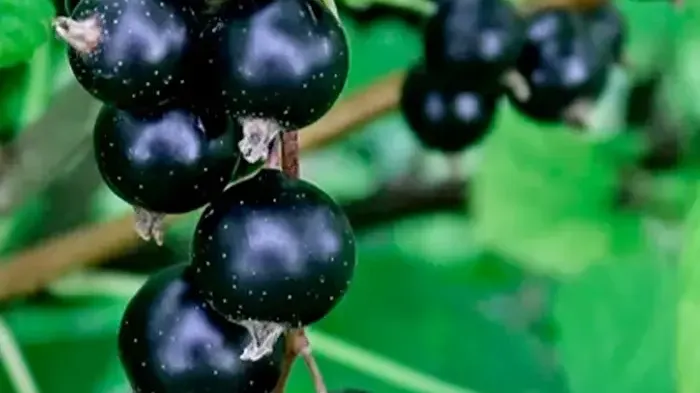
Currants That Can Survive the Apocalypse
How the varieties Domino, Karina, Ritmo and Viktor withstand climate change and extreme weather
|
190
original crosses
|
4
varieties selected after screening
|
−28 °C
frost survived in winter 2006/2007
|
8.7 of 9
fruit size of Ritmo
|
← Swipe the table sideways →
Picture the nightmare of a modern fruit grower. In February, spring-like temperatures arrive and nature wakes up too early. Then, around the turn of March and April, the temperature drops below freezing. Just as the bushes finally come into flower, May frosts strike. And the summer turns into a roller coaster: weeks of drought and heat above 30 °C are followed by sudden, persistent downpours.
In such conditions, older, traditional varieties of black currants often struggle badly. Flowers drop, yields shrink and the plants fight simply to survive. Climate change is no longer just a textbook theory; it is everyday reality in our gardens.
Can we fight the weather at all? We cannot build a greenhouse over an entire garden, but we can choose varieties with the right genetics. That is exactly what breeders from Sweden, Lithuania, Latvia and Russia achieved. Their long-term breeding work produced four varieties: Domino, Karina, Ritmo and Viktor. They were bred not only for taste or fruit size, but also to cope with climatic extremes. Let us look at the data from the field trials.
Born to Survive: The Goal Was Ecological Plasticity
Between 1995 and 2001, when the joint international breeding programme was launched, the scientists identified the main weakness of the commercial varieties of the time, such as Titania, Ojebyn and Ben Lomond. They adapted poorly to temperature swings at the end of winter and tolerated spring frosts badly.
What is ecological plasticity?
It is a plant's ability to adapt quickly to changing and unfavourable environmental conditions.
The aim was to breed hybrids with high ecological plasticity. Of the original 190 crosses, four varieties emerged after strict selection: Domino, Karina, Ritmo and Viktor. Their real strength showed in the following years, when the weather struck with full force.
The Frost Test: When −28 °C Follows a False Spring
In northern and central Europe, temperature swings often harm fruit plants more than a hard winter itself. If it turns warm in February, the plant ends dormancy (its winter rest), water and nutrients start to flow and the buds swell. If a frost follows, the freezing water damages the cells.
We cannot build a greenhouse over an entire garden, but the choice of the right genetics is in our hands.
Spring Frosts and Cold Flowering: How to Save the Crop
Climate change brings ever more frequent spring frosts, exactly when currants are most vulnerable: during budbreak and flowering. A large Latvian study (published in 2025), which evaluated varieties from 2019 to 2021, recorded demanding spring conditions:
How did the tested varieties cope? Many of the tested varieties and hybrids lost more than 50% of their flower buds, but Karina and Ritmo proved resistant. On a 9-point scale of spring frost damage (1 = no damage, 9 = destroyed), Karina scored 2.2 and Ritmo 3.0. They protected their flowers and secured the coming crop.
Cold, not only frost, is a problem. In 2007 and 2008, temperatures during flowering fell to between 7.1 and 12.2 °C. In such cold, fewer insects fly, so ordinary varieties suffer from poor pollination. Thanks to their high adaptability, Domino, Karina, Ritmo and Viktor not only held their yields but even increased them from year to year.
Summer Extremes: Drought, Heat and Downpours
If a currant survives winter and spring, climate change prepares a summer test. The Latvian trials from 2019 to 2021 recorded exceptionally dry and hot summer months (in July 2021 the temperature rose to 32.2 °C), followed by heavy, persistent downpours in August.
Currants naturally need plenty of water, so drought during fruit formation is very damaging: the berries stay small and shrivelled and the yield falls.
Despite these swings, Karina and Ritmo kept their large fruit (large by European standards). In the fruit size rating (scale up to 9), Karina scored 8.3 and Ritmo a record 8.7. Their deep, strong root system, together with genetic stress tolerance, allowed them to take up enough water and nutrients even in dry periods. They also achieved a high yield (scores of 5.3 and 5.2), confirming that they can crop reliably even in unfavourable weather.
Field Trial Results in Numbers
The scales below show the scores of Karina and Ritmo against the 9-point scale used in the study.
| Spring frost damage: Karina | 2.2 of 9 |
| 1 = no damage | 9 = destroyed |
| Spring frost damage: Ritmo | 3.0 of 9 |
| 1 = no damage | 9 = destroyed |
Marker position is relative to the 9-point scale; a lower score is better.
Fruit size (scale up to 9)
| Ritmo | 8.7 of 9 |
| Karina | 8.3 of 9 |
Bar length shows the score relative to the scale maximum of 9; a higher score is better.
← Swipe sideways →
| Trait | Domino | Karina | Ritmo | Viktor |
|---|---|---|---|---|
| Winter 2006/2007 (−28 °C) | minimal or no damage | minimal or no damage | minimal or no damage | minimal or no damage |
| Cold flowering 2007 and 2008 (7.1 to 12.2 °C) | yields held or increased | yields held or increased | yields held or increased | yields held or increased |
| Spring frost damage 2019–2021 (1 = none, 9 = destroyed) | not stated | 2.2 | 3.0 | not stated |
| Fruit size (scale up to 9) | not stated | 8.3 | 8.7 | not stated |
| Yield (score) | not stated | 5.3 | 5.2 | not stated |
← Swipe the table sideways →
Please note
The values come from specific trials (Latvia, 2019 to 2021) and from observations after the winter of 2006/2007. In your own garden, results may differ depending on site, soil and care.
How to read the 9-point damage scale
| Low score (close to 1): flowers are almost undamaged. Karina (2.2) and Ritmo (3.0) sit in the lower part of the scale. | |
| Middle values: flowers are partly damaged. | |
| High score (close to 9): flowers are destroyed. |
Conclusion
Open-field growing is becoming a riskier business in the era of climate change. Growers can no longer count on a normal year, because normal weather is becoming ever rarer.
Domino, Karina, Ritmo and Viktor are interesting not only for taste or fruit size, but above all for stability. Thanks to their ecological plasticity, all four got through the false warm spell in February without major damage, and Karina and Ritmo also protected their flowers from spring frosts and kept large fruit through summer heat and drought.
For a grower who wants to reduce the risk of losses after spring frosts, these varieties are a sensible choice.
|
Black currant varieties in our shop Browse our selection of black currant varieties and choose plants that can cope with spring frosts and summer drought. Go to the shop |
Join us on Facebook Exchange growing experience, ask about varieties and share your harvest on our Facebook page full of enthusiastic fruit growers, talk to experts and get access to articles first. Visit our page |